
Sweat Gland Treatment in Berlin
Heavy sweating in important situations can be uncomfortable and extremely distressing. Your hands become clammy, your underarms feel wet, and it may seem as though everyone is looking at you. Excessive sweating is not only unpleasant; it can also affect your confidence and quality of life.
At my plastic surgery practice in Berlin, I offer sweat gland treatments designed to reduce excessive sweating and help you regain confidence in everyday life.
- Procedure time
- Depending on the treatment:- Suction curettage: 60 minutes- Laser: 30 minutes - Botox: 20 minutes
- Anaesthesia
- Local or general anaesthesia
- Hospital stay
- Outpatient procedure
- Ready to socialise
- Immediately after treatment or following a few days of recovery
- Return to work
- After 1–3 days
- Exercise
- Avoid exercise for the first few days or weeks after treatment, depending on the procedure
- Healing time
- Up to 2 weeks, depending on the treatment
- Cost
- Varies according to the treatment and area of the body
- Aftercare
- No sauna or massage during the first week
The process varies slightly depending on the treatment selected. Sweat gland suction curettage is a surgical procedure in which a suction cannula is used to remove sweat glands from the tissue beneath the skin. Before laser treatment, the treatment area is disinfected and numbed with local anaesthetic. A laser fibre is introduced through a small incision, and the heat generated by the laser targets the sweat glands to reduce perspiration. For Botox treatment, I determine the injection sites and dosage beforehand. Once the treatment areas have been disinfected and a local anaesthetic applied, Botox is injected to block the nerve signals that activate the sweat glands.
As with any medical or surgical procedure, side effects and complications are possible. Following sweat gland suction curettage in particular, these may include bleeding, infection, pain, numbness or swelling in the treated area. Swelling, tenderness and bruising may also occur after laser or Botox treatment, but usually subside within a few days.
After sweat gland suction curettage, you should wear a compression dressing followed by a compression garment for approximately two weeks to help reduce swelling and bruising. Swelling generally subsides over the following weeks, and regular cooling may help. Avoid saunas and sunbeds after your procedure, and protect the treated areas from direct sunlight. You should also refrain from exercise for several weeks, as advised.
Why does the body produce sweat?
For many people affected by severe or excessive sweating, this natural bodily response becomes a significant source of stress and may lead them to avoid social situations. Sweating itself, however, is a normal and healthy function. It helps regulate body temperature, supports the skin’s protective function and contributes to the body’s acid balance by excreting certain substances through perspiration.
Understanding hyperhidrosis
In people who sweat heavily and excessively regardless of physical exertion or warm weather, the body’s normal sweating response is overactive. This condition is known as hyperhidrosis and can place a considerable burden on those affected for many years. Two forms are distinguished: primary hyperhidrosis and secondary hyperhidrosis, which arises as a result of another medical condition.
Primary hyperhidrosis often begins around puberty and is usually limited to particular areas of the body, such as the hands or underarms. Secondary hyperhidrosis may have a range of causes. These commonly include hormonal or neurological conditions, stress and certain medications.
Which areas can be treated with sweat gland treatment in Berlin?
Sweat is produced in many areas of the body, but some are more commonly affected by excessive perspiration. The most frequent treatment areas include the underarms, hands, feet and face.
Sweat gland treatment options in Berlin
There are several ways to treat excessive sweating. Taking account of your individual needs and preferences, the severity of your symptoms and the area affected, I will recommend a suitable surgical or non-surgical treatment.
Sweat gland suction curettage
Sweat gland suction curettage is a surgical procedure that removes sweat glands in a manner similar to the removal of fat during liposuction. Tumescent local anaesthesia, containing a local anaesthetic and additional medication, is introduced into the treatment area. A suction cannula is then used to detach sweat glands from the underside of the skin and remove them. This method is suitable only for pronounced underarm sweating. It is performed under local anaesthesia and can provide a long-lasting reduction in perspiration.
Laser treatment of the sweat glands
Another option is laser ablation of the sweat glands. This minimally invasive treatment is usually performed under local anaesthesia. I insert a fine laser fibre beneath the skin and use controlled heat to target the sweat glands in the affected area. The energy is applied precisely to limit the effect on surrounding tissue whilst reducing sweat gland activity.
Treatment with Botox
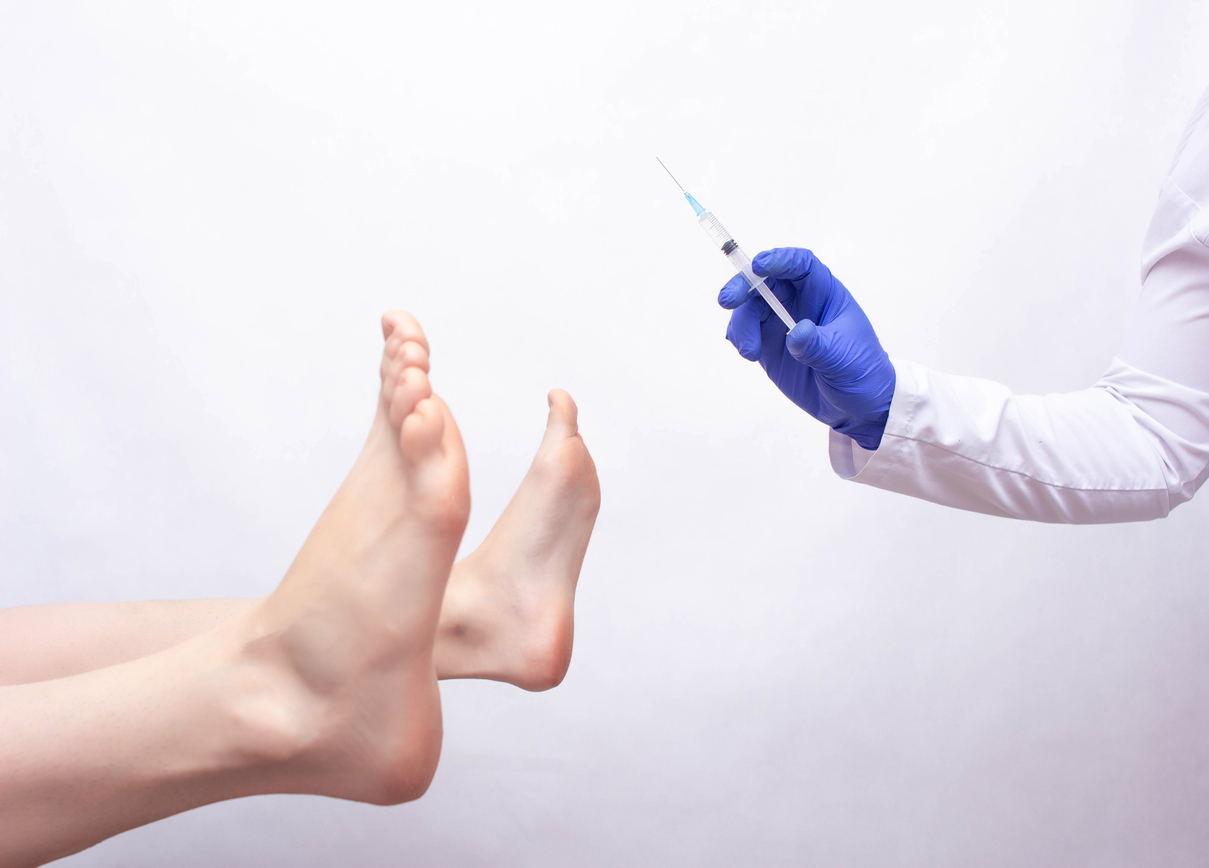
Botox is increasingly used to treat excessive sweating because it is a minimally invasive option with a comparatively low risk of complications. Botulinum toxin is injected into the treatment area to block the nerve signals that activate the sweat glands. Botox treatment is generally well tolerated, quick to perform and may remain effective for up to six months.
Temporary side effects may include redness, bruising or tenderness at the injection sites. Cooling can help relieve these symptoms, and pain relief may be taken if required. Botox is particularly suitable for reducing perspiration affecting the hands and feet or underarms.
How is sweat gland treatment in Berlin performed?
Before sweat gland treatment, I will discuss your symptoms, needs and expectations with you in detail. I will explain the available options and recommend the method most appropriate for your individual circumstances.
Depending on the chosen treatment, the procedure may be performed under local or general anaesthesia. I will explain the position of any incisions required for sweat gland suction curettage or identify the injection sites used for Botox treatment.
What results can sweat gland treatment in Berlin achieve?
Sweat gland treatment with Dottore Caletti in Berlin can reduce excessive perspiration. Depending on the treatment selected, the effects may be noticeable immediately or develop over a short period. Results generally last for several months, whilst surgical methods may provide a longer-lasting reduction. To maintain the effect of Botox, treatment should usually be repeated after four to six months.
Treatment for excessive sweating in Berlin – personalised advice and care
At my Berlin practice, I place great importance on personalised advice and attentive care. During your consultation, I will consider your individual needs and expectations, explain the available treatments and discuss any relevant surgical techniques. Before every procedure, I take a detailed medical history, including the development of your hyperhidrosis and any pre-existing conditions, so that your treatment can be planned safely and appropriately.
Frequently Asked Questions
How can I tell whether I simply sweat heavily or have hyperhidrosis?
The pattern and location of your sweating can provide an indication. For example, excessive sweating that mainly affects the palms, soles of the feet or underarms may suggest hyperhidrosis. A medical assessment is required to establish the diagnosis and rule out an underlying condition.
Will health insurance cover sweat gland treatment in Berlin?
Whether health insurance covers sweat gland treatment depends on several factors. In general, costs are covered only if the treatment is considered medically necessary. You should ask your insurer to confirm its requirements and the level of cover available before proceeding.
Is sweat gland treatment dangerous?
As with any medical treatment, sweat gland procedures involve certain risks and possible complications. These are generally uncommon when treatment is selected carefully and performed by an appropriately qualified doctor. Potential risks include scarring, bruising and swelling.