

Botox for bruxism in Berlin
A tense jaw in the morning, unnoticed clenching during the day? If teeth grinding is troubling you, what you want most is relief. Botulinum toxin can temporarily reduce the strength of the chewing muscles.
We listen to you and look together at your symptoms, dental findings and previous treatments. This helps us determine whether this approach could help you.
- Treatment process
- Consultation, examination and joint treatment planning
- Anaesthesia
- We discuss whether local anaesthesia is appropriate
- Clinic stay
- Outpatient treatment at our practice in Berlin
- Return to social activities
- Redness, swelling or small bruises may be visible
- Return to work
- We take your work into account when planning
- Exercise
- You receive personalised recommendations for resuming exercise
- Local reactions
- Redness, swelling and tenderness may occur
- Costs
- We explain the costs to you before you make your decision
- Aftercare
- Instructions for home and individually tailored follow-up appointments
We begin with a conversation: what is troubling you, and what has helped you so far? We examine your jaw muscles and discuss your medical history and dental findings. If treatment is an option, we explain the targeted injection into the chewing muscles, the possible effects and the risks. Together, we decide what change we are aiming for and how we will assess progress.
Approval and off-label use
Treating bruxism with botulinum toxin is an off-label use. This means that the medicine is used outside its approved indications. We explain the approval status of the intended product, the potential benefits, remaining uncertainties and other treatment options.
Possible side effects
Redness, swelling, tenderness, pain or small bruises may occur at the injection sites. Headaches, allergic reactions and temporary weakness of treated or neighbouring muscles are also possible. In the jaw area, this can affect chewing; changes to the smile or facial contour may also occur.
Please talk to us about your medications and pre-existing conditions, particularly nerve or muscle disorders. Treatment is not recommended during pregnancy or breastfeeding.
If difficulties with swallowing, speaking or breathing occur after botulinum toxin treatment, immediate medical attention is required. Such effects outside the treated area are very rare. If you have difficulty breathing, please call the emergency number 112.
You receive instructions for the period after treatment and learn when a follow-up appointment is appropriate. Observe how your symptoms and chewing change. If you notice problems with chewing, increasing pain or unusual changes, please contact us.
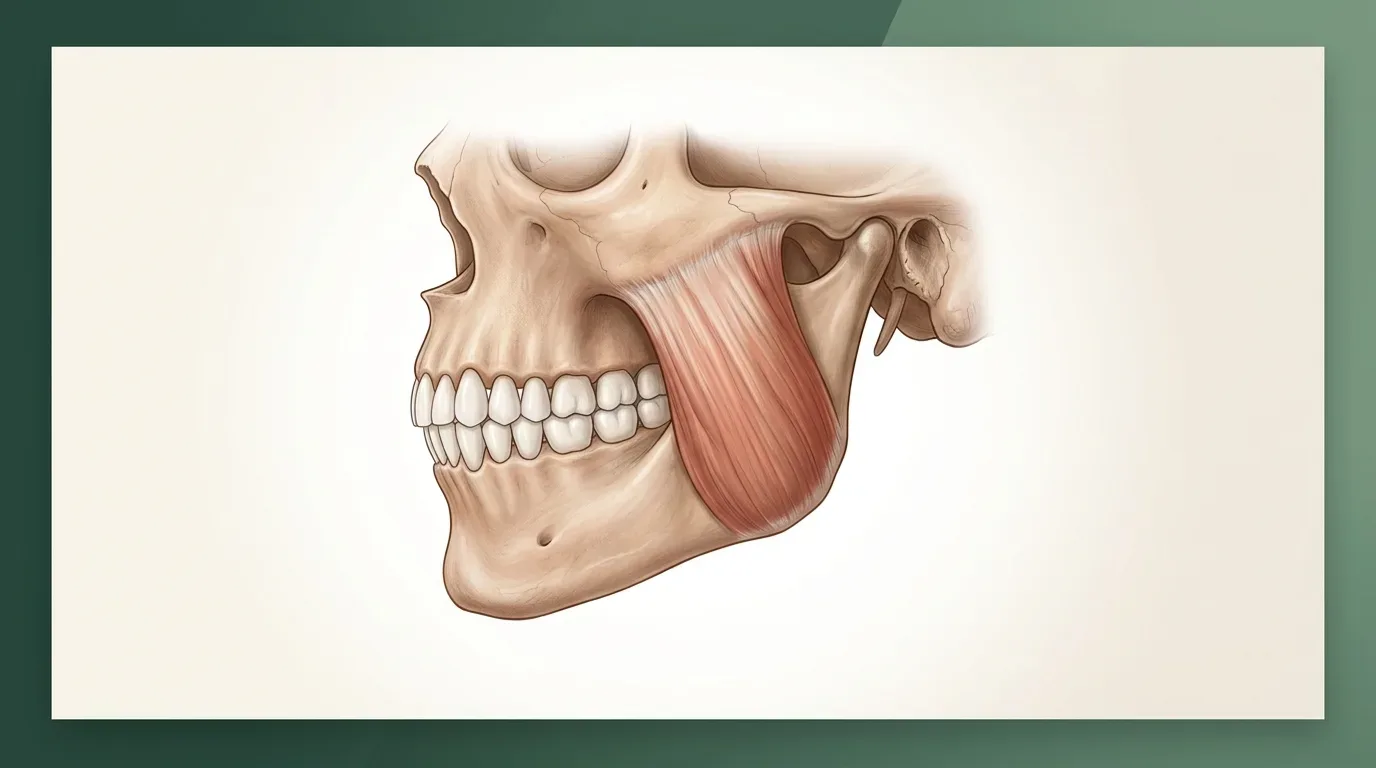
What bruxism means
Bruxism refers to teeth grinding or clenching. During grinding, the teeth move against each other; during clenching, they are pressed firmly together. Both can occur during sleep or while awake, often without being noticed at all. Signs may include a tired or tense jaw in the morning, pressure around the temples or sensitive, worn teeth. A dental examination can clarify whether these symptoms are related to bruxism.
The causes are not fully understood. We therefore look at several aspects with you: your symptoms, tension, sleep and medical history.
When we refer to Botox here, we mean treatment with the active ingredient botulinum toxin. Botox is a trade name commonly used for it in everyday language.
What botulinum toxin can do
Botulinum toxin reduces signal transmission between nerve and muscle. As a result, the treated chewing muscle can temporarily contract less forcefully.
The treatment targets muscle activity, not all the factors that contribute to bruxism. Whether it noticeably relieves your symptoms varies from person to person.
What would make a difference for you: less jaw tension in the morning, less pain when chewing or less frequent forceful clenching? We record these specific goals together and review what has changed at the follow-up appointment. In doing so, we take your previous treatments and possible drawbacks into account.
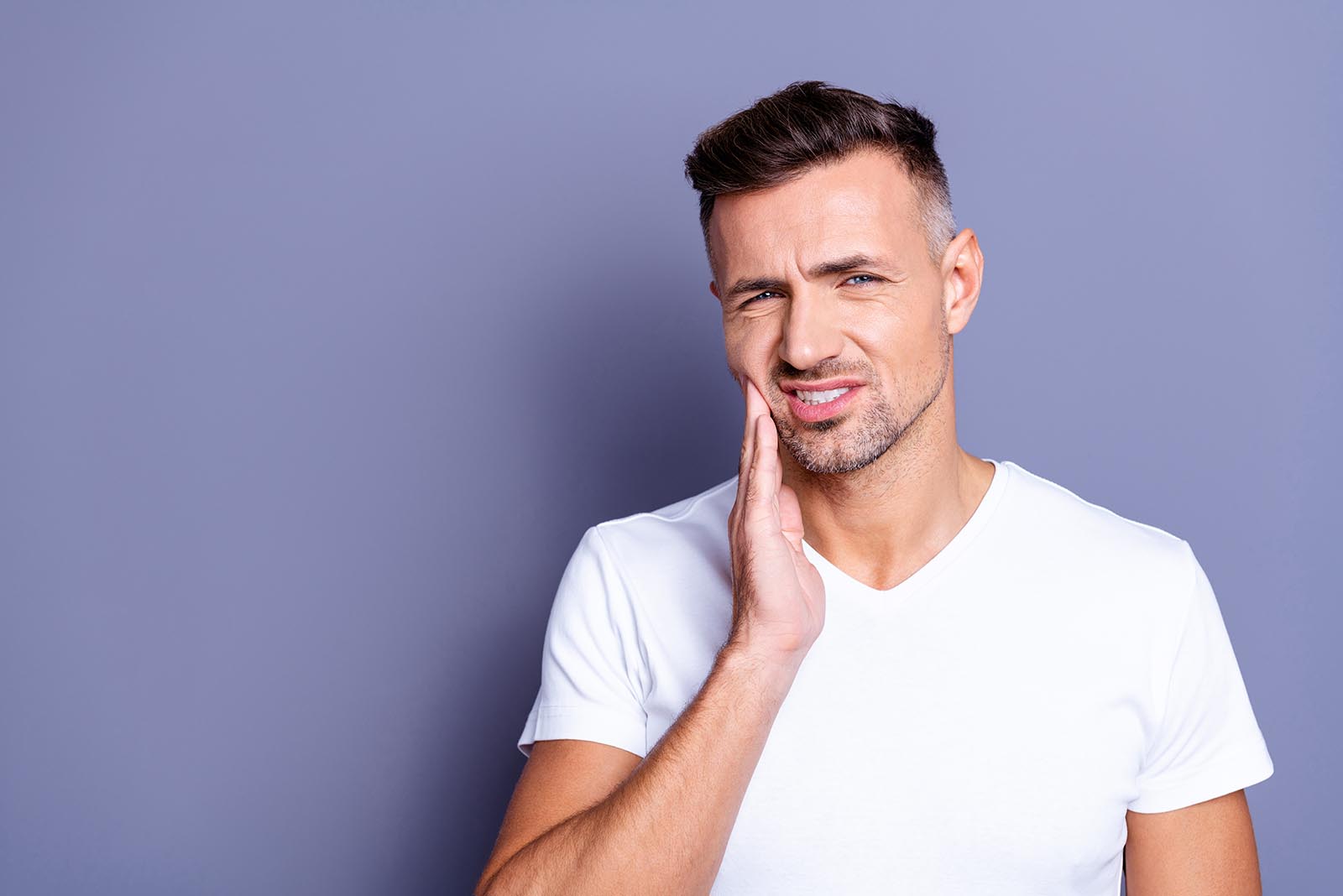
Your dental care as a foundation
Have your grinding or clenching examined by a dentist first. This involves assessing your teeth, jaw and any possible consequences. A splint can help protect your teeth; depending on the findings, other measures may be considered, such as physiotherapy or support in managing tension. You should also mention any sleep problems.
It is not simply a question of “a splint or Botox”, but rather which measures can usefully complement each other for you. Discuss any potential injection treatment with your dentist and continue using your prescribed splint until a different approach has been agreed together.
Relieving symptoms or changing contours?
The masseter is one of your chewing muscles. With bruxism, the focus is on your symptoms; with aesthetic masseter slimming, it is on the contours of the lower face. Even though the same muscle is treated, these are different goals: a slimmer facial contour says nothing about whether grinding or clenching has decreased.
You can find out more about the aesthetic concern on our page about masseter treatment with Botox. If you would like both relief and a change in contour, please feel free to mention both. We consider each concern separately.
Are you also interested in aesthetic treatments? In our overview of wrinkle treatment in Berlin, we introduce you to the options involving botulinum toxin and fillers.
Well prepared for our consultation
Please feel free to bring your dental findings, details of previous treatments and a medication list.
Please also tell us about any previous botulinum toxin treatments and your experiences with them.
Make a note beforehand of what troubles you most and what you hope to gain from treatment. Questions about benefits, limitations, aftercare and costs are just as welcome as uncertainty or a wish to wait for now. A consultation does not commit you to an injection.
I am Andrea Caletti, a specialist in Plastic, Reconstructive and Aesthetic Surgery and a specialist in Surgery. You can find my professional details in the practice's legal notice.
Your next step
Before you make your decision, we explain the costs of the consultation, treatment and any follow-up appointments. If you would like to apply for reimbursement, please check with your insurer beforehand whether it will cover the costs and which documents it requires.
I look forward to meeting you at Vita Aesthetica at Kurfürstendamm 200. You can choose your appointment or send us a message beforehand via our contact page with online appointment booking.
Frequently asked questions
What is the difference between teeth grinding and teeth clenching?
During grinding, the teeth rub against each other; during clenching, they are pressed firmly together. Both are forms of bruxism and can occur at night or during the day.
Should I have my teeth grinding assessed by a dentist first?
Yes. A dental examination helps assess your symptoms and any possible damage to your teeth. Please feel free to bring any existing findings to our consultation.
What role can botulinum toxin play in bruxism?
It can temporarily reduce the strength of the treated chewing muscles. Whether this approach makes sense for you depends on your symptoms, previous treatments and personal risks. We discuss this together.
Does treatment with botulinum toxin replace an existing splint?
A splint and botulinum toxin serve different purposes. Please therefore do not stop using your splint on your own. Discuss with your dentist and us whether your care should be adjusted.
Is the use of Botox for bruxism approved?
Its use for bruxism falls outside the approved indications and is therefore “off-label”. We explain what this means for the proposed medication and discuss benefits, uncertainties, risks and alternatives.
Which risks need to be discussed before treatment?
Swelling, bruising, pain, headaches or allergic reactions may occur. Temporary muscle weakness can affect chewing or smiling. You can find more detailed information above under “Approval & Risks”.
If you experience difficulty swallowing, speaking or breathing after treatment, immediate medical attention is required. If you have difficulty breathing, please call 112.
How does the treatment differ from aesthetic masseter slimming?
For bruxism, the focus is on your symptoms caused by grinding or clenching. Masseter slimming focuses on a slimmer contour of the lower face. We discuss these goals separately, even if both are important to you.
How much does Botox for bruxism cost?
The costs depend on your individual treatment plan. We explain the planned services and costs during your consultation. Please clarify any possible reimbursement with your insurance provider in advance.
How quickly does botulinum toxin work for bruxism, and how long does the effect last?
The effect does not begin immediately and wears off over time. How quickly you notice it and how long it lasts depend on factors including the preparation, the dosage and your muscles. We discuss the expected course and a suitable time for a follow-up. We decide whether to repeat the treatment based on your symptoms and experiences.