
Migraine Treatment with Botox in Berlin
Botulinum toxin type A – commonly known as botulinum toxin or Botox – is best known for smoothing expression lines through wrinkle treatment with Botox. However, its applications extend far beyond aesthetics, and it is also approved for the treatment of chronic migraine.
Are you looking for professional migraine treatment with Botox in Berlin? At my specialist practice for plastic and aesthetic surgery, I offer this and a range of other treatments using Botox.
- Treatment time
- 20 to 30 minutes
- Anaesthesia
- Numbing cream if required
- Hospital stay
- Outpatient treatment
- Social activities
- Immediately after treatment
- Return to work
- Immediately after treatment
- Exercise
- Avoid strenuous exercise for the first two days
- Wound healing
- Not applicable
- Cost
- From €600
- Aftercare
- Avoid facial massage, cosmetic treatments, saunas and sunbeds
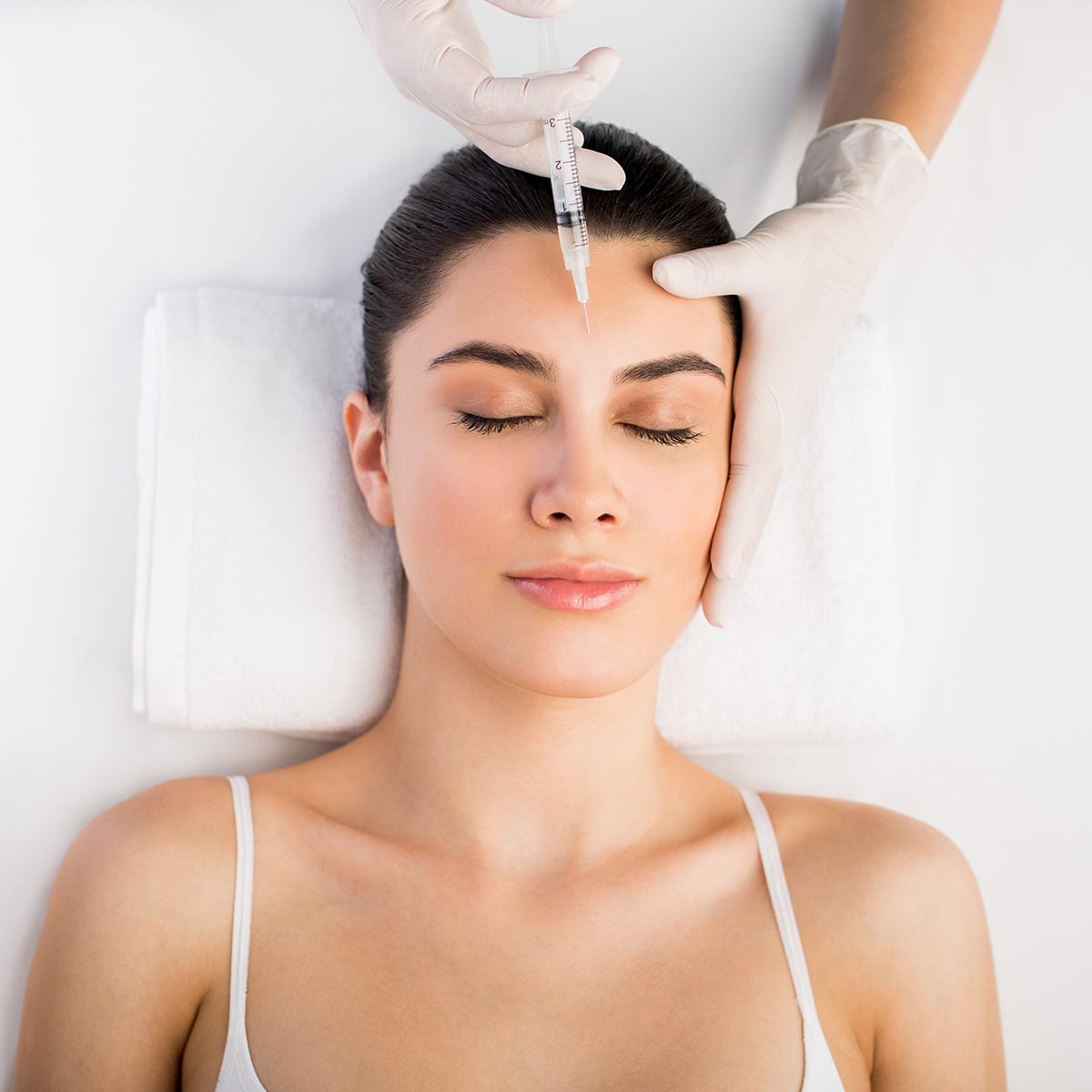
After disinfecting the skin, I administer the Botox injections. The number and location of the injection points, as well as the dosage, follow the established treatment protocol developed during the clinical approval studies of Botox for chronic migraine. I use very fine needles, so discomfort is usually minimal. Numbing cream can also be applied to the treatment area. Migraine treatment with Botox at my Berlin practice takes approximately 20 to 30 minutes, and you can normally return to work and social activities immediately afterwards.
Botox treatment for chronic migraine is generally well tolerated. Allergic reactions and significant systemic side effects are rare, although temporary local side effects can occur. When treatment is performed by an experienced specialist in plastic and aesthetic surgery, careful dosing and precise placement help minimise unwanted effects such as changes in facial movement. The dosage is selected to reduce excessive muscle activity in the treated areas without completely suppressing it, helping to preserve a natural appearance.
No special aftercare is usually required following migraine treatment with Botox in Berlin. The injection sites are cooled briefly after treatment to help reduce redness, swelling and bruising. If these reactions do occur, they generally subside within a few days and can be concealed with make-up where necessary. For the first two days, you should avoid strenuous exercise and other physically demanding activities. Saunas and cosmetic treatments can usually be resumed after one week.
Migraine Treatment with Botox in Berlin – Fewer Headaches and Migraine Attacks, Better Quality of Life
Frequent migraine attacks can be extremely debilitating, with severe headaches often making normal activities impossible. Painkillers may provide only limited relief.
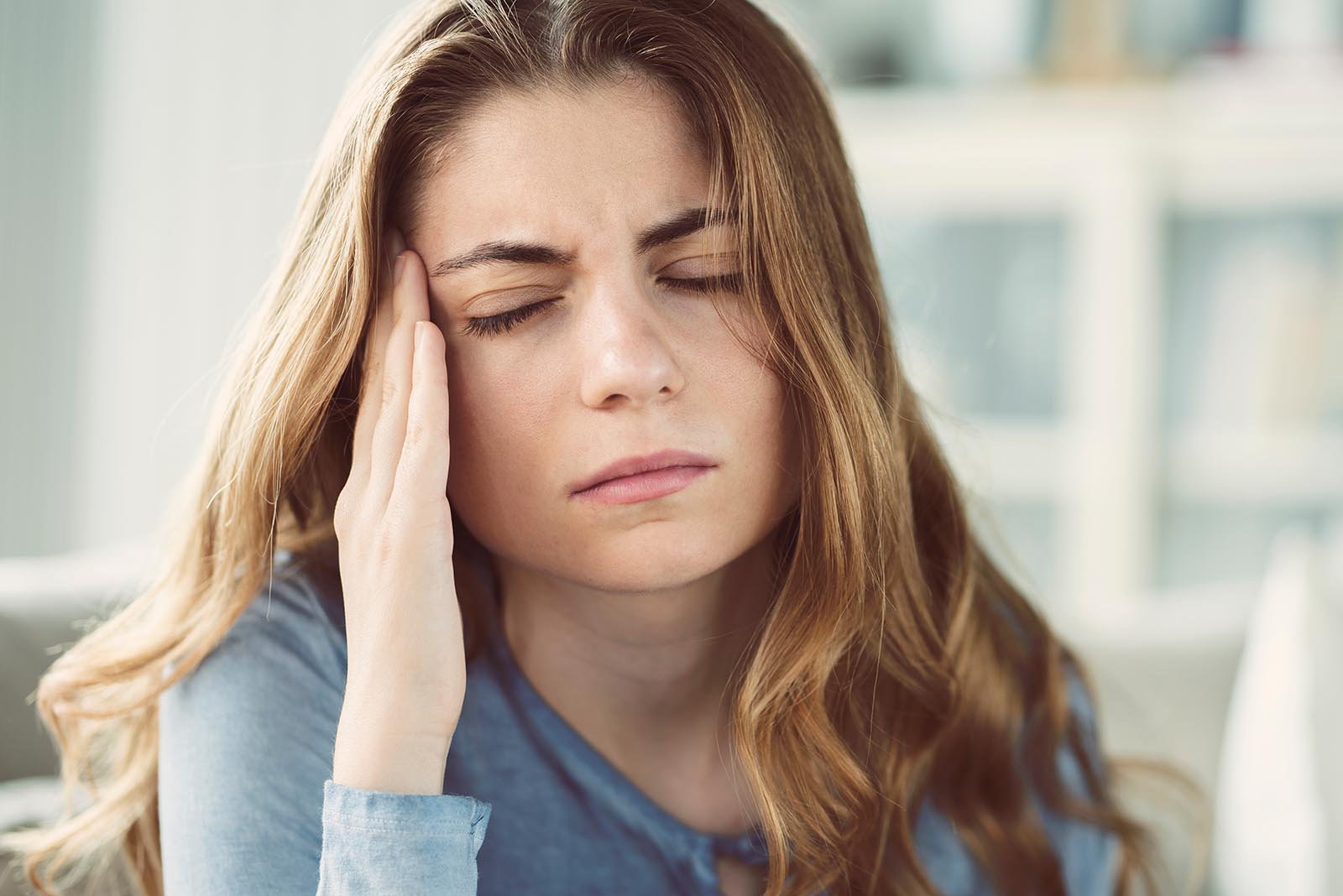
Migraine is a complex neurological condition. Tension in the muscles of the face, neck and shoulders can accompany or aggravate an attack, although it is not the sole cause. Other symptoms may include nausea and sensitivity to light and sound. Some attacks are preceded by a migraine aura, which may involve visual disturbances, altered sensation or other neurological symptoms.
Migraine treatment with Botox in Berlin can reduce activity in selected muscles of the head, neck and shoulder region for several months. Botulinum toxin acts at nerve endings and inhibits the release of acetylcholine, a neurotransmitter involved in communication between nerves and muscles. This reduces muscle activity in the treated areas. Botox is also thought to reduce the release of signalling substances involved in pain, which may decrease the frequency and severity of chronic migraine attacks.
How Does Botulinum Toxin Work for Chronic Migraine?
Botulinum toxin can reduce muscle activity in selected areas of the head, neck and shoulders for several months. It acts at nerve endings and inhibits the release of acetylcholine, a neurotransmitter involved in communication between nerves and muscles. Botox is also thought to reduce the release of chemical messengers involved in pain signalling. Through these mechanisms, treatment may reduce the frequency and severity of chronic migraine attacks.
Why Use Botulinum Toxin for Migraine, and Is Botox Safe?
Botulinum toxin was approved in Germany for the treatment of chronic migraine in 2011. Chronic migraine is generally diagnosed when a patient experiences headaches on at least 15 days per month for more than three months, with migraine features on at least eight of those days. Studies have demonstrated the effectiveness of Botox in treating chronic migraine. Its effectiveness for episodic migraine, however, has not been established scientifically.
What Results Can Be Achieved with Migraine Treatment Using Botox in Berlin?
Botox can significantly reduce the frequency and severity of chronic migraine attacks. Initial effects may be noticeable within a few days, with the treatment usually reaching its maximum effect after ten to fourteen days. The effect generally lasts for approximately four to six months, after which further treatment may be required.
Migraine treatment with Botox at my Berlin practice does not cure the condition, but it can make an important contribution to relieving symptoms. It is generally most effective as part of a broader migraine treatment plan, which may include medication, a balanced lifestyle and the avoidance of known migraine triggers.
Migraine Treatment with Botox at My Berlin Practice – Personalised Advice
At my specialist practice for plastic and aesthetic surgery, migraine treatment with Botox begins with a detailed, personalised consultation. I will ask about any pre-existing conditions and the current impact of migraine on your daily life. I will explain how Botox works in chronic migraine and take you through the treatment process. I will then assess the relevant muscles of your face, neck and shoulder region. If treatment is suitable, it can usually be carried out immediately after the consultation.
Frequently Asked Questions
What is Botox?
In its natural form, botulinum toxin is the most potent neurotoxin known. By interrupting communication between nerves and muscles, it can cause muscular paralysis. It is produced by bacteria found in soil, which can also multiply in improperly preserved food and cause potentially life-threatening poisoning.
Botulinum toxin has been used medically since 1980. For this purpose, it is manufactured under strictly controlled conditions and administered in carefully calculated doses. Like all medicines, botulinum toxin products must undergo a rigorous approval and certification process.
Who Is Suitable for Migraine Treatment with Botox in Berlin?
Botox for migraine is suitable for patients diagnosed with chronic migraine. This is generally defined as headaches occurring on at least 15 days per month for more than three months, with migraine features present on at least eight of those days.
Is Botulinum Toxin the Best Treatment for Migraine?
Botox is not indicated for episodic migraine because its effectiveness for this form of the condition has not yet been scientifically established. The most appropriate treatment depends on your diagnosis, symptoms and medical history.
Will I Need to Repeat Botox Treatment for Chronic Migraine?
Migraine treatment with Botox is usually repeated at intervals of four to six months at my specialist practice in Berlin, depending on your individual response and treatment plan.
Does Botox for Migraine Have Side Effects?
When performed by an experienced specialist in plastic and aesthetic surgery, Botox treatment for migraine is generally well tolerated, although side effects cannot be ruled out entirely. Despite the number of injections – usually around 30 are required – discomfort is typically mild because very fine needles are used. Numbing cream can also be applied before treatment.
What Can Botulinum Toxin Be Used For?
Botulinum toxin has a wide range of medical applications, including the treatment of various neurological conditions. At my specialist practice for plastic and aesthetic surgery in Berlin, I use Botox not only for chronic migraine but also for several other indications:
- Botox for wrinkles
- Botox for a non-surgical brow lift
- Botox for bruxism (teeth grinding)
- Botox for hyperhidrosis (excessive sweating)
- Botox for excessive sweating of the hands and feet