
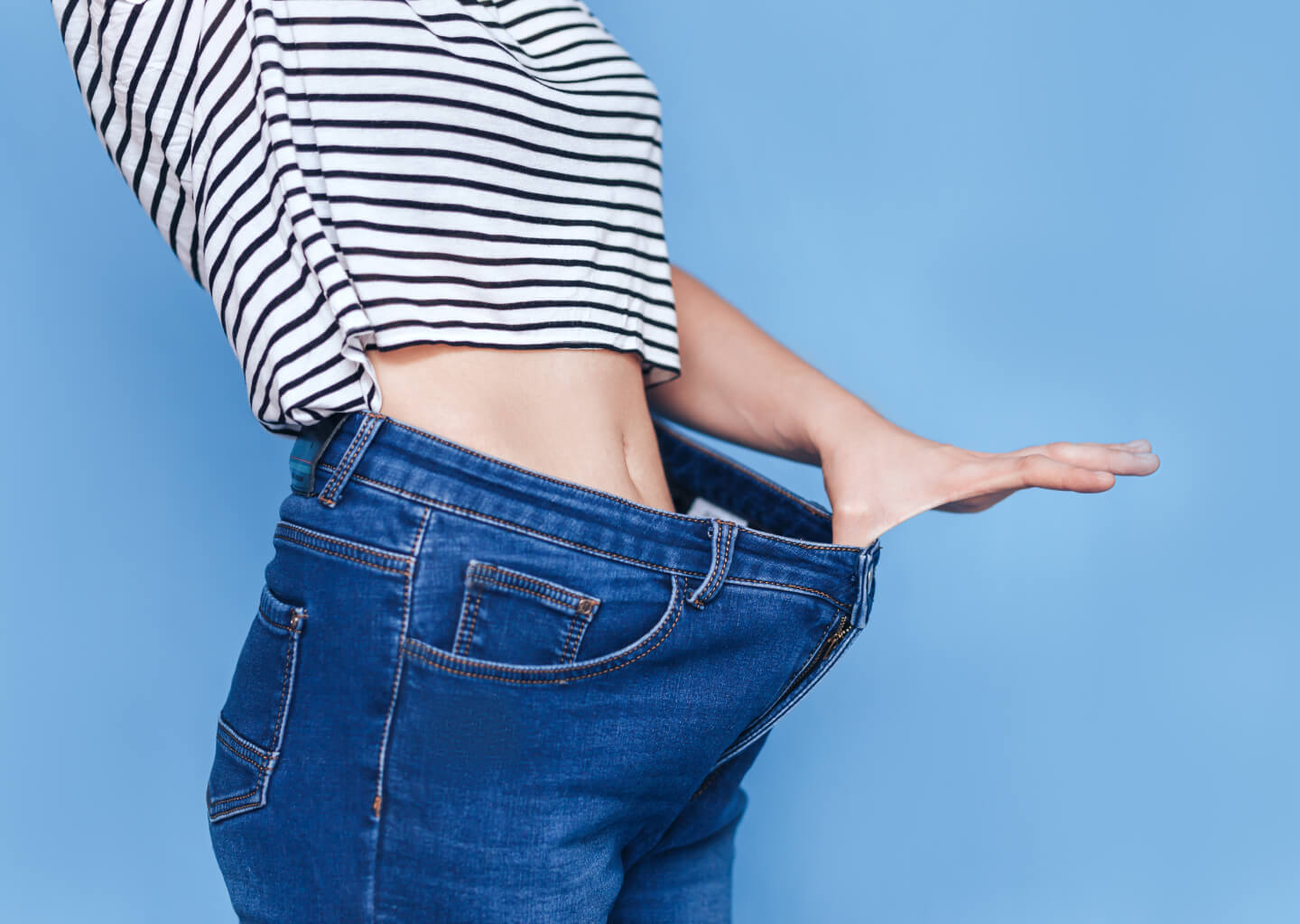
Abdominal Liposuction in Berlin
Many women and men would like a slimmer, firmer abdomen. However, stubborn abdominal fat can often be difficult to control. Diet and a lack of exercise are not the only factors involved; hormones and genetics also play a role. Once present, abdominal fat deposits can prove very resistant, even after long-term dietary changes and intensive exercise programmes. Abdominal liposuction can reduce these unwanted contours and create a more balanced silhouette. Patients who choose abdominal liposuction often find that the physical change also improves their confidence, as their appearance feels more in keeping with how they see themselves.
- Procedure time
- Depending on the findings and liposuction technique, approximately 1.5 to 2 hours
- Anaesthesia
- Local anaesthesia with twilight sedation or, in rare cases, general anaesthesia
- Clinic stay
- Outpatient treatment or a 24-hour inpatient stay
- Presentable in public
- After one to two days
- Return to work
- After two to three days for non-physical work and seven to fourteen days for physically demanding work
- Exercise
- After six weeks at the earliest
- Wound healing
- Approximately 14 days
- Cost
- From €2,500, depending on the findings and extent of the abdominal liposuction
- Aftercare
- Compression garments for approximately four weeks to support the liposuction result, together with regular follow-up appointments at the practice
Book an initial consultation for abdominal liposuction in Berlin. During abdominal liposuction, fatty tissue is removed by suction from different areas of the abdomen, such as the upper or lower abdomen. Depending on your body shape, fat may also be removed from the flanks and back. If there is significant loose skin, an abdominoplasty may also be considered. The abdominal liposuction procedure in Berlin follows the same basic principle regardless of the surgical technique used: fatty tissue beneath the skin is selectively loosened and removed through fine cannulas. Localised fat deposits around the abdomen and waist can be treated with considerable precision, allowing well-proportioned, natural-looking results. Depending on the treatment plan, the procedure is performed under twilight sedation or general anaesthesia.
Liposuction is generally considered a low-risk operation. As with any surgical procedure, however, complications such as bruising, bleeding, impaired wound healing or adverse reactions to medication may occur. Choosing an experienced plastic surgeon can substantially reduce these risks, as can the use of the tumescent technique. International studies indicate that risks are greater when excessive amounts of fat are removed or several unrelated operations are performed on the same day. If more than three litres of fatty tissue need to be removed, the procedures should be staged several weeks apart. Tenderness or numbness in the treated area may persist for several weeks after liposuction. Rare complications include thrombosis, embolism and cardiovascular collapse. To reduce the risk of complications, blood-thinning medication should not be taken during the week before liposuction unless medically necessary and agreed with your doctor. It is also advisable to minimise or avoid alcohol and nicotine during this period and for the first 14 days after liposuction.
After abdominal liposuction, compression garments should be worn continuously, both day and night, for approximately four weeks. They help prevent the spaces created by liposuction from filling with blood, loosened fat cells or tissue fluid. Such collections could lead to lumps or scarring and affect the aesthetic result. Mild pain may occur immediately after liposuction, and swelling and bruising are also normal. Swelling gradually subsides over several months. Regular cooling can support the healing process. During the first week, temporary fluid retention in the treated areas may cause a slight increase in weight. You may usually shower for the first time two or three days after liposuction. Baths and sauna visits should be avoided for four weeks after abdominal liposuction. To reduce the risk of complications, blood-thinning medication should not be taken during the week before liposuction unless medically necessary and agreed with your doctor. It is also advisable to minimise or avoid alcohol and nicotine during this period and for the first 14 days after liposuction.
Achieving a Slimmer, Firmer Contour with Abdominal Liposuction in Berlin
Abdominal liposuction can help women and men achieve a slimmer, firmer body contour. In addition to the physical change, many patients experience greater confidence and feel more comfortable with their appearance. I discuss the most appropriate liposuction technique with every patient individually. The choice is based on the clinical findings and the extent of treatment required.
What Results Can Abdominal Liposuction Achieve?
The effects of abdominal liposuction are often visible within the first few days after the procedure. As bruising and swelling subside, the appearance continues to improve over the following four to six weeks. The final result is usually apparent after six to fifteen weeks, although in individual cases it may take six to nine months. Some patients find that they wear clothing one or two sizes smaller once healing is complete, although this varies from person to person.
Abdominal liposuction has certain limitations. Some subcutaneous fatty tissue must remain to produce a smooth, natural-looking result, and only a limited amount of fat can be removed safely during a single procedure. If very extensive areas require treatment, several staged procedures may be necessary, meaning that it will take longer to achieve the intended result.
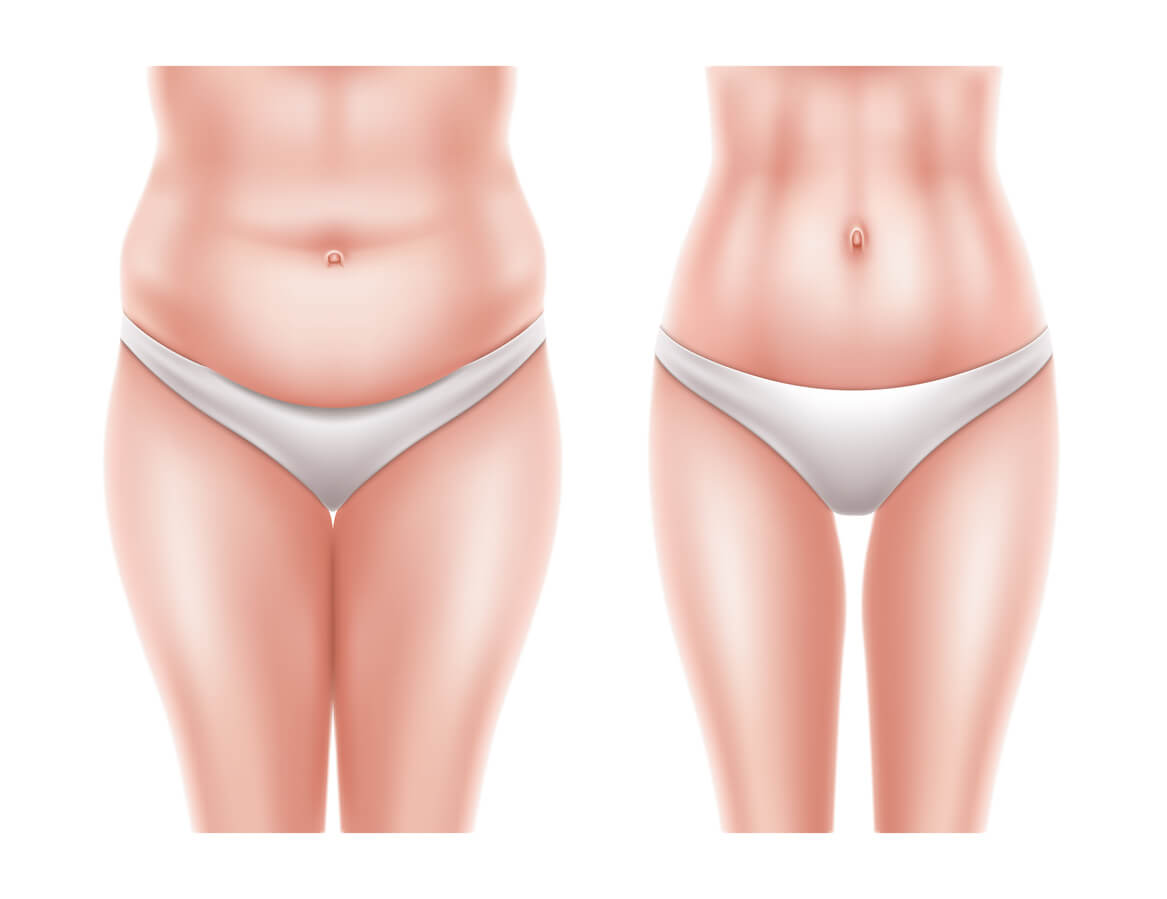
How Long Do the Results of Abdominal Liposuction Last?
Because fat cells are removed during liposuction, the result can be long-lasting. The removed fat cells do not grow back in the treated areas. However, the remaining fat cells can enlarge if you gain weight, and fat may accumulate elsewhere on the body. Maintaining a stable weight after surgery therefore helps preserve the abdominal liposuction result and balanced body proportions over the long term.
Where Are the Incisions Made for Abdominal Liposuction?
The small incisions used to insert the liposuction cannulas are placed close to the areas containing excess fatty tissue. They are closed with sutures after the procedure. If non-dissolving sutures are used, they can usually be removed around one week after abdominal liposuction. Fine scars may form at these sites during healing, but they generally fade considerably over time and are often barely noticeable after several weeks or months.
Abdominal Liposuction in Berlin – Detailed Consultation and Personalised Aftercare
The first step towards abdominal liposuction is a detailed consultation at my practice in Berlin. As a specialist in plastic and aesthetic surgery, I take the time to understand your concerns and expectations. I will also explain the possibilities and limitations of the proposed procedure. Following a review of your medical history and the consultation, I carry out a thorough physical examination, recommend the liposuction technique best suited to your individual needs and prepare a personalised treatment plan. Before surgery, I answer all your questions about the procedure, potential risks and aftercare. Throughout the healing process, my practice team and I remain available to provide individual advice and treatment.
Liposuction Techniques and How They Are Performed
The precise course of abdominal liposuction depends on the technique used. A plastic surgeon can choose from several liposuction methods:
Power-assisted liposuction with tumescent anaesthesia
Abdominal liposuction is most commonly performed using minimally invasive power-assisted liposuction combined with local tumescent anaesthesia. The suction cannula is connected to an electric motor that produces approximately 5,000 small oscillations per minute. Before liposuction begins, a sterile saline solution containing a local anaesthetic and other medication is injected beneath the skin of the abdominal area being treated. This is known as tumescent anaesthesia. The fluid helps separate the abdominal fat from the overlying connective tissue, whilst also reducing the risk of tissue injury and bruising. The compact fatty tissue and subcutaneous fat are then reduced by suction. Power-assisted liposuction with tumescent anaesthesia is a tissue-sparing technique designed to minimise trauma to connective tissue, nerves and blood vessels.
The amount of fluid used to loosen the abdominal fat varies. With the traditional tumescent technique, approximately three times as much solution as the anticipated volume of fat is introduced. With the super-wet technique, the volume of fluid is roughly equivalent to the amount of fat to be removed. The term “tumescent” means “swollen” and refers to the temporary swelling caused by the fluid in the treatment area.
Water-assisted liposuction
With water-assisted liposuction, a pressurised jet of fluid separates fat cells from the surrounding tissue before they are removed by suction. Local anaesthesia is also provided using the tumescent technique. This method is used particularly when the removed fat is to be reused for autologous fat transfer, also known as lipofilling.
Ultrasound-assisted liposuction
During ultrasound-assisted liposuction, excess fatty tissue is liquefied using ultrasound energy and then removed through a cannula.
Laser lipolysis
Laser lipolysis is not a conventional liposuction technique. Instead, high-energy laser light is used to break down excess abdominal fat before it is removed by suction.
Frequently Asked Questions
When Is General Anaesthesia Required for Liposuction?
General anaesthesia is only rarely required for liposuction and may sometimes be chosen at a patient’s request. Local anaesthesia provides effective pain control during the procedure. A sedative can also help you remain calm and comfortable before and during treatment.
Which Is Better – Outpatient or Inpatient Liposuction?
If there are no particular personal risk factors or complications during the procedure, liposuction can usually be performed safely on an outpatient basis. You will remain at the practice for observation for a period after outpatient surgery. It is important not to drive yourself for several days following outpatient liposuction. An inpatient stay may be necessary after more extensive procedures or if you have relevant pre-existing medical conditions.
How Long-Lasting Are the Results of Abdominal Liposuction?
The results of abdominal liposuction can be long-lasting. The procedure removes a proportion of the fat cells from the treated areas, and these cells do not grow back. However, remaining fat cells can enlarge, and new fat deposits may develop elsewhere if you gain weight. Maintaining a stable weight after liposuction is therefore important for preserving balanced body proportions.
Does Abdominal Liposuction Reduce Excess Weight?
Only to a limited extent. Although the removed fatty tissue results in some reduction in body weight, abdominal liposuction is an aesthetic body-contouring procedure rather than a treatment for obesity or a method of weight loss. Long-term weight reduction and weight maintenance require appropriate lifestyle changes.
How Important Is Aftercare to the Success of Liposuction?
Careful aftercare is essential to achieving the best possible overall result from abdominal liposuction. This includes taking sufficient time to recover and wearing compression garments or bandages as instructed, usually from the first few days until approximately four weeks after the procedure.
When Should Liposuction Not Be Performed?
Possible contraindications to abdominal liposuction include severe obesity, substantial excess skin, certain pre-existing medical conditions and the need to take particular medications. Suitability must always be assessed individually by a qualified doctor.