
Scar Treatment and Scar Revision in Berlin
When the skin is injured through surgery, accidents or illness, the body begins its natural repair process. However, impaired healing and larger wounds can result in scars of varying severity. Scars may be painful or restrict movement and function. When they are located on a visible area of the body, they can also cause considerable emotional distress. At my specialist practice for plastic and aesthetic surgery in Berlin, I offer personalised scar treatment and scar revision. The method I recommend depends on the condition, type and appearance of the scar. My aim is to reduce physical discomfort and improve the scar’s appearance, helping you feel more comfortable and confident in your body.
Scar Revision and Scar Treatment – Improving Appearance and Quality of Life
Scars commonly develop following surgery, injury or burns. Certain conditions, including acne, can also leave lasting marks on the skin. For many people, scars are primarily an aesthetic concern and may significantly affect confidence and quality of life. Other scars cause pain, tightness or restricted movement. If conservative treatment does not sufficiently improve the physical symptoms or appearance of a scar, plastic and aesthetic scar revision may offer a long-lasting improvement.
What Is a Scar and What Are the Options for Scar Revision?
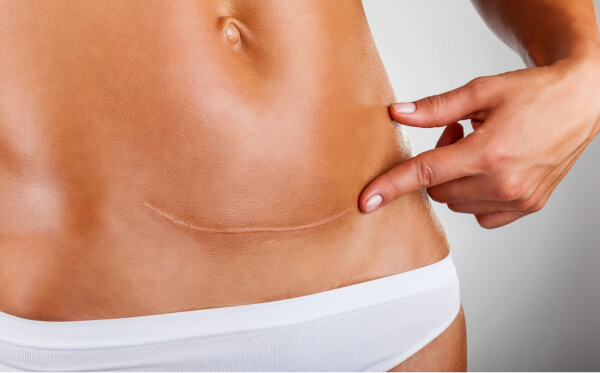
Scars form as part of the body’s natural wound-healing process after an injury to the skin. If the injury damages the vascular connective tissue, the skin cannot regenerate with identical new cells. Instead, it produces replacement tissue that contains a high proportion of fibres and is less elastic than the original skin.
Scar Tissue and Changes in the Skin
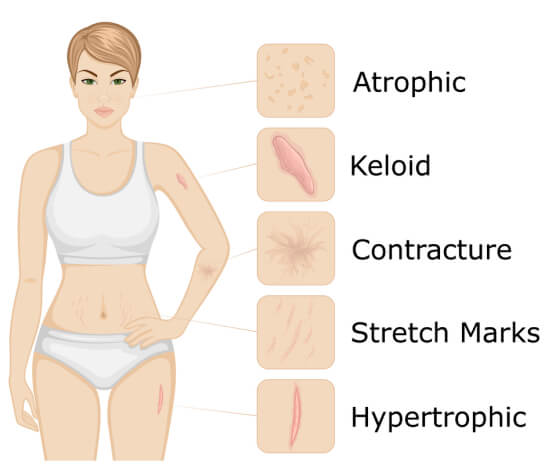
Scar tissue has a poorer blood supply and cannot form hair follicles, sweat glands or sebaceous glands. Its pigmentation also differs from that of the surrounding healthy skin. Every scar is different: some are raised above the surrounding skin, whilst others are tethered, indented or composed of excessive tissue. In addition to the original injury, the appearance of a scar is influenced by its location, genetic factors and impaired wound healing.
Scar Treatment: How Can a Scar Be Treated?
The approach used for scar revision depends on the type and severity of the scar. At my specialist practice for plastic and aesthetic surgery, treatment options include:
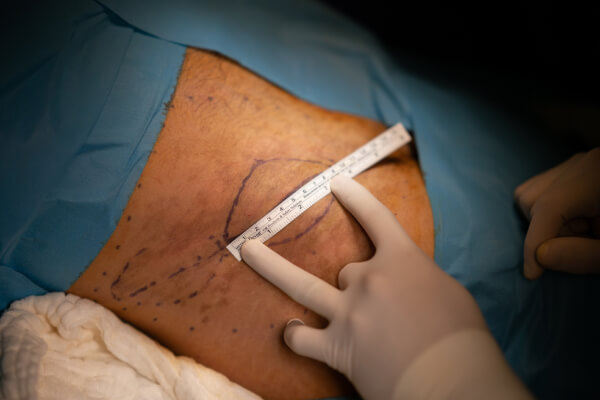
- Surgical scar removal
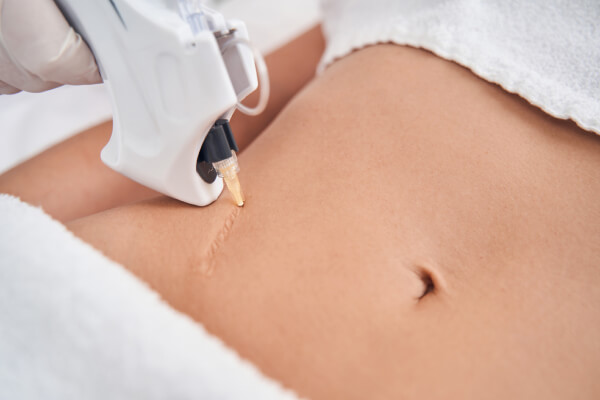
- Laser scar treatment to reduce the appearance of scars
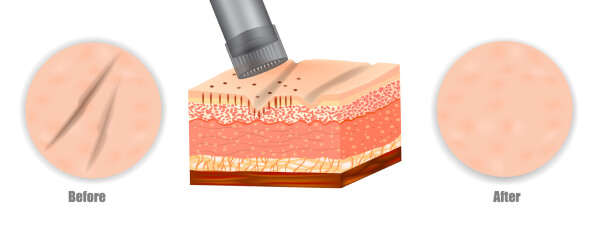
- Scar revision with medical needling or microneedling
- Cortisone injections into the scar
- Scar treatment with fat transfer (lipofilling) or dermal fillers such as hyaluronic acid
What Results Can Scar Revision Achieve?
Depending on the type and extent of the scar, scar revision can significantly reduce its prominence and visibility. In selected cases, very superficial scars may become barely visible following scar removal treatment. As surgical scar revision is an invasive procedure, the final result only becomes apparent once the new wound-healing process is complete.
Scar Revision at My Plastic and Aesthetic Surgery Practice in Berlin – Personalised Advice and Care

The first step towards scar revision at my specialist practice for plastic and aesthetic surgery in Berlin is a detailed, personal consultation. I examine the scar or scars you would like treated and recommend the most appropriate method for you. I also explain the procedure, the result that can realistically be expected, and the treatment’s potential limitations and risks. Where the nature of the scar permits, I generally favour a minimally invasive approach. My aim is to achieve a natural-looking improvement based on high medical and aesthetic standards.
What Happens During Scar Revision?
The precise process depends on the treatment selected. Before the procedure begins, I will explain the individual steps again and give you an opportunity to ask any remaining questions. The treatment area is then disinfected, and either local or general anaesthesia is administered as appropriate.
With the exception of more extensive surgery, an overnight hospital stay is not usually required. Scar revision can often be performed under local anaesthesia. After minimally invasive treatment, many patients can return to work and social activities on the same day or within 24 hours.
Scar Treatment: What Are the Risks of Scar Revision?
When scar revision is performed by an experienced specialist in plastic and aesthetic surgery, complications are uncommon. However, as with any operation, potential side effects and complications cannot be excluded entirely. These include bleeding, swelling, bruising, impaired wound healing and adverse reactions.
Certain painkillers, sleeping tablets and blood-thinning medication may need to be discontinued one week before the procedure. You should reduce nicotine and alcohol consumption as far as possible during this period and ideally avoid both completely. Any changes to prescribed medication must first be discussed with the prescribing doctor.
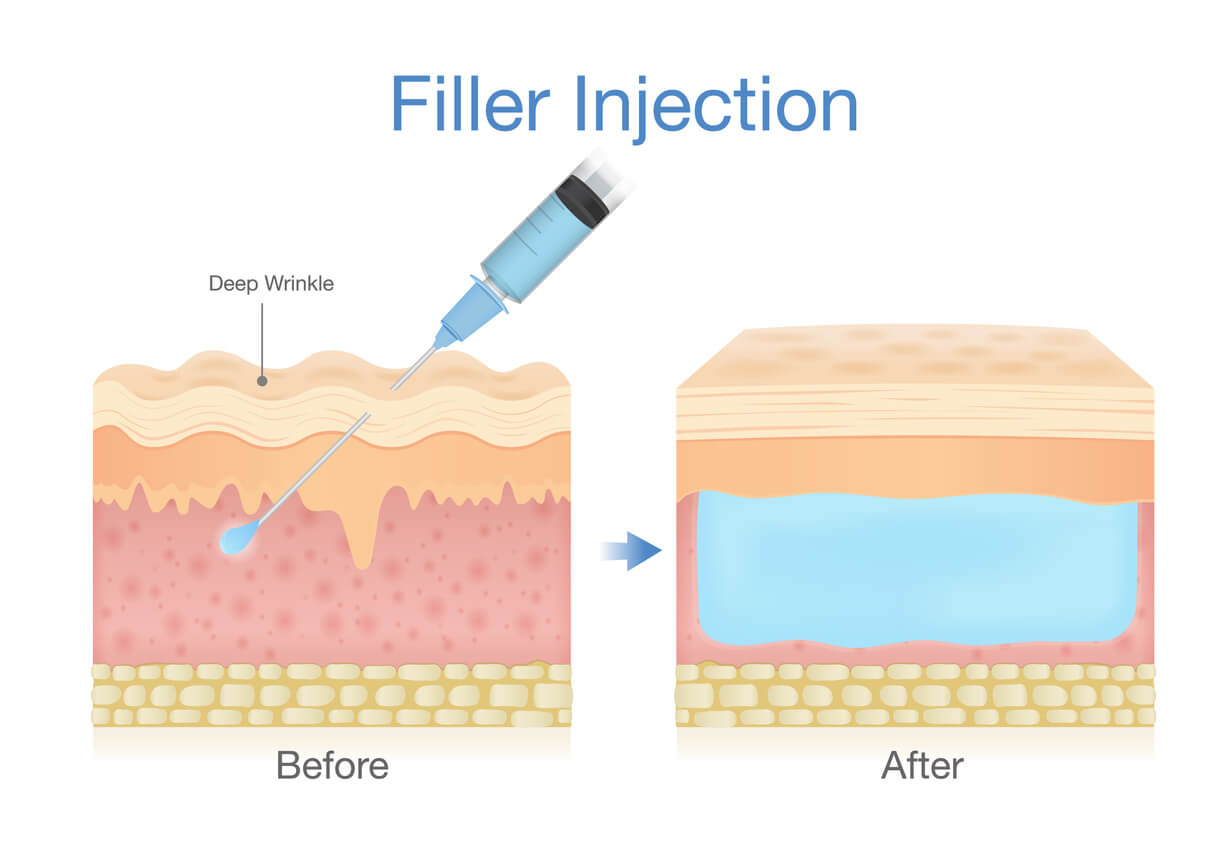
If additional products are used during scar revision—for example, fillers or cosmeceuticals as part of laser treatment—I use carefully selected products that meet the applicable quality and regulatory standards. During your consultation, I will also ask about known allergies and any previous adverse reactions.
Aftercare: What Should I Do Following Scar Revision?

Aftercare also depends on the type of scar revision performed. Physical rest is important during the first few days. Swelling and bruising usually subside within a short time, and careful cooling may help. If incisions were required, the sutures can generally be removed within 14 days. Until then, you should avoid saunas, sunbeds, massages and cosmetic treatments, as well as direct sunlight. After LaseMD, needling to remodel scar tissue or scar injections, the treated area should be protected from direct sunlight and UV exposure for four weeks.
When Should Scar Revision Be Performed?

Before scar revision can be performed, the injured area of skin must have healed fully. This usually takes between six months and one year. The appropriate timing can only be determined on an individual basis.
Will Health Insurance Cover the Cost of Scar Revision?
Health insurers will generally reimburse the cost of scar revision only when there is a recognised medical or psychological indication. Most scar revision procedures are classified as purely aesthetic, in which case reimbursement is not usually available.
Frequently Asked Questions About Scar Treatment
Who Is Suitable for Scar Revision?
Scar revision may be suitable for patients who feel self-conscious or uncomfortable because of a scar, or who experience physical symptoms caused by scar tissue.
Why Are Different Methods Used for Scar Revision?
Every scar is different. Scar tissue forms in a particular way after surgery or an injury to the skin, so the treatment must be adapted to the individual characteristics of the scar. Whenever appropriate, I favour a minimally invasive approach to scar revision at my practice.
When Is General Anaesthesia Required for Scar Revision?
General anaesthesia is usually considered only for more extensive surgical scar revision, helping to minimise physical and emotional strain during the operation. For minimally invasive procedures, local anaesthesia is generally sufficient to control discomfort. Depending on the treatment, you may also receive a mild sedative to induce twilight sedation.
What Is Laser Scar Treatment with LaseMD?
LaseMD is an advanced laser treatment that creates extremely fine microchannels in the upper layers of the skin. Selected cosmeceuticals, such as vitamin C or vitamin A in the form of retinol, can then be applied so that they penetrate the skin more effectively and support longer-term skin renewal. This treatment can make small, superficial scars significantly less visible.
How Does Needling Improve Scars?
Microneedling can also be used to treat mild, superficial scars. The needles create controlled micro-injuries that stimulate the skin’s natural repair and regeneration processes. Needling, like LaseMD, can achieve good results for selected acne scars. Treatment may also make the overall texture of the skin smoother and more even.
How Do Cortisone Injections Work in Scar Revision?
Cortisone injections are particularly suitable for hypertrophic scars, which are raised above the surrounding healthy skin. These scars are usually caused by excessive collagen production, resulting in a thickened appearance. Cortisone reduces collagen formation and can make the scar noticeably flatter and softer.