
Thigh Lift
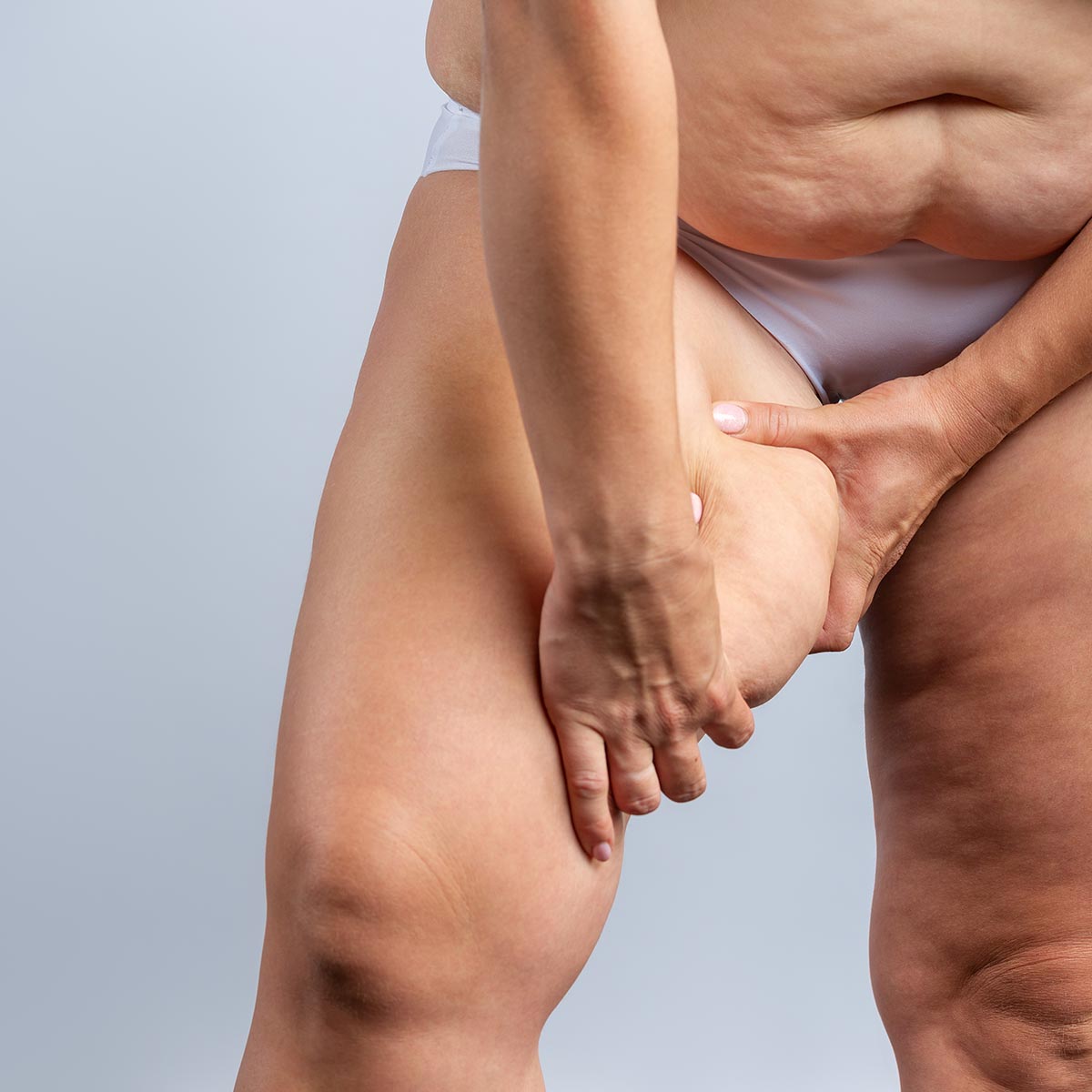
Firm, well-proportioned legs are something many women — and men — would like to have. In reality, however, the appearance of the legs is often affected by a range of factors. As we age, the skin and connective tissue lose elasticity, causing the skin to crease and sag. Similar changes may occur after substantial weight loss, whether through dieting or a long-term change in lifestyle. The thighs can be particularly affected. Exercise and massage have only a limited effect on loose skin around the upper legs. A surgical thigh lift, by contrast, can provide a long-lasting improvement.
During the procedure, excess skin is removed from the thighs. Many of my patients report that having their thighs lifted has noticeably improved how they feel about their body and themselves. The aim is to create firmer, more youthful-looking thighs that are better balanced with the rest of the body.
At my specialist practice for plastic and aesthetic surgery in Berlin, I perform thigh lifts using different surgical techniques, depending on the extent of treatment required. By combining medical expertise with aesthetic judgement, my aim is to help you feel more comfortable and confident in your body.
- Procedure time
- Three hours
- Anaesthesia
- General anaesthesia
- Hospital stay
- One to two days, depending on the extent of surgery
- Ready to socialise
- After two weeks
- Return to work
- After two weeks; three to four weeks for physically demanding work
- Exercise
- After six weeks
- Wound healing
- Four weeks
- Cost
- From €6,000, depending on the extent of the procedure and the surgical technique
- Aftercare
- Compression garments worn for four weeks
Before surgery begins, I carefully mark the precise incision lines on your thighs and in the groin using a surgical skin marker. Anaesthesia is administered only after this stage. At my practice, thigh lift surgery is routinely performed under general anaesthesia. This is appropriate because of the length of the operation and makes the procedure considerably less demanding for you. The surgery itself requires meticulous precision. I first make the incisions with a fine scalpel and remove the excess tissue. I then tighten the remaining skin and shape the leg to achieve the planned contour. Drains are inserted to allow wound fluid to escape and remain in place for several days. Finally, the incisions are closed with surgical sutures. The exact operating time depends on the extent of treatment, although a thigh lift almost always takes at least three hours.
A thigh lift is generally considered a low-risk procedure, although no surgery is entirely without risk. As an experienced specialist in plastic and aesthetic surgery, I take every precaution to minimise the likelihood of complications during and after the operation. Nevertheless, bleeding, delayed wound healing, allergic reactions and infection cannot be ruled out completely. You can support a smooth procedure and recovery by following several recommendations. Painkillers, sleeping medication and blood-thinning medicines must not be taken for at least one week before surgery unless otherwise agreed with your medical team. During this period, you should also avoid nicotine and alcohol where possible, or reduce your consumption as much as you can. Minor bleeding, swelling, bruising and discomfort are common immediately after the procedure. These effects can usually be managed effectively with cooling and appropriate pain relief.
After surgery, a pressure dressing is applied to the thighs. You will also need to wear compression garments continuously for the following four weeks to protect the sutures and support the surgical result. The compression trousers support the treated areas as they heal and help the thighs settle into their new contour. The drains can usually be removed the following day. Until then, the wounds must be kept dry. Sutures are removed after two weeks, at which point you can begin scar care. I will, of course, advise you on suitable techniques and products. During follow-up appointments, I will also assess whether your lymphatic system requires additional support and prescribe lymphatic drainage if indicated. Physical rest is important during the first two weeks after a thigh lift. Gentle movement is permitted and can help recovery, but strenuous physical activity must be avoided for four to six weeks. Strong sunlight and UV exposure from sunbeds may cause lasting pigmentation of the scars, so the treated areas should be carefully protected for several months.
A Thigh Lift for Greater Body Confidence
For many people, loose, sagging or creased skin on the thighs causes considerable emotional and social distress. Wearing shorts or spending a day at the beach may feel out of the question. A thigh lift can restore a firmer, more defined appearance to the legs. If a substantial volume of fatty tissue around the thighs affects the overall proportions of the body, the procedure can also be combined with liposuction to refine the result.
What Results Can a Thigh Lift Achieve?
The principal result of a thigh lift is firmer, more shapely legs. The procedure tightens the skin, removes excess tissue and refines the contours of the thighs.
The results of a thigh lift are intended to be long-lasting and may remain stable for many years. Further surgery may be required if substantial weight fluctuations cause the skin to become loose again. Maintaining a healthy lifestyle, exercising regularly and keeping your weight stable can help preserve the result over the long term.
An initial improvement is visible immediately after the thigh lift. The final result becomes apparent once healing is complete and the swelling has fully subsided.
Where Are the Incisions Made for a Thigh Lift?
An experienced specialist in plastic and aesthetic surgery will always plan the incisions carefully to minimise visible scarring. Nevertheless, longer incisions are sometimes unavoidable during a thigh lift. Wherever possible, they are positioned in discreet areas so that the resulting scars are less conspicuous.
A thigh lift is performed using either a short or a long incision. A short incision may be suitable for a more limited procedure involving a relatively small amount of excess skin. The primary aim is to reposition sagging tissue and reduce skin folds. In this case, the incision is placed within the natural groin crease, and the resulting scars are generally unobtrusive once healed. A long-incision thigh lift allows additional excess skin to be removed. Tightening the skin and underlying tissues can also reduce the circumference of the thighs. This technique requires an additional vertical incision along the inner thigh.
Either thigh lift technique may be combined with liposuction. In this context, liposuction is not intended to remove large volumes of fat, but to address smaller localised deposits and further refine the overall result.
Thigh Lift Surgery at My Berlin Practice — Personalised, Attentive and Professional
A thigh lift at my specialist practice for plastic and aesthetic surgery in Berlin always begins with a personal consultation. This provides an opportunity to discuss every relevant aspect of the procedure and the result you hope to achieve. I will assess your expectations and individual circumstances, explain how the operation is performed, and discuss its limitations and potential risks. I will also take a detailed medical history and carry out a physical examination before preparing your personalised treatment plan.
On the day of surgery, I will meet with you again for a final pre-operative discussion. I am, of course, available to answer any further questions before your procedure and will provide medical care and guidance throughout your recovery.
Frequently Asked Questions
Who Is Suitable for a Thigh Lift?
A thigh lift may be suitable for patients who are troubled by loose skin or tissue changes around the thighs and feel that these affect their appearance or body confidence.
Can a Thigh Lift Be Performed at Any Age?
In principle, yes. Suitability for a thigh lift is not determined by age alone. In practice, older patients often choose the procedure because changes to the skin of the thighs may become more pronounced with age. Younger people commonly consider surgery after substantial weight loss to achieve firmer, better-proportioned legs.
Is It Advisable to Have a Thigh Lift Before Planned Weight Loss?
If you are planning lifestyle changes to achieve substantial, long-term weight loss, you should postpone your thigh lift until you have reached your target weight and are confident that you can maintain it.
Alongside the natural ageing process, substantial changes in weight are one of the main causes of loose skin on the thighs. Significant weight loss after surgery may therefore compromise the result.
How Long Do the Results of a Thigh Lift Last?
The results of a thigh lift can be very long-lasting and may remain stable for many years. Regular exercise, a balanced diet and a stable weight will help preserve the outcome over time.
Can a Thigh Lift Be Repeated?
In the rare event that the skin of the thighs becomes significantly stretched again, repeat surgery may be possible. Wherever feasible, the procedure is performed through the existing scars, helping to avoid additional incision lines and further scarring.
Can a Thigh Lift Be Combined with Liposuction?
A thigh lift can often be combined with liposuction in the treated areas. The purpose is primarily to remove smaller localised fat deposits and refine the contours of the legs.
How Painful Is a Thigh Lift?
Post-operative discomfort generally subsides within a few days and can usually be managed effectively with mild pain relief. You may continue to experience a slight feeling of tightness for four to six weeks.
Can a Thigh Lift Be Performed under Local Anaesthesia?
Because of the extent and duration of the operation, I routinely perform thigh lifts under general anaesthesia. If general anaesthesia is not an option for you, I will discuss the available alternatives with you.
When Is Lymphatic Drainage Recommended after a Thigh Lift?
Surgery can place strain on the lymphatic vessels in the treated areas. Lymphatic drainage is not a routine part of aftercare following a thigh lift. However, if I find during a follow-up appointment that fluid has accumulated and your lymphatic system requires support, I may recommend this treatment.
Are There Any Contraindications?
Contraindications to a thigh lift may include certain pre-existing medical conditions or blood-thinning medication that cannot safely be discontinued, even temporarily. I will assess these factors carefully during your consultation and medical history. In many cases, it may simply be necessary to postpone the procedure until a later date.