
Abdominoplasty – Tummy Tuck Berlin
A flat, firm abdomen is widely regarded as desirable, yet for many people it can be difficult or impossible to achieve. A lax abdomen can alter the entire body shape and significantly affect self-perception and self-confidence.
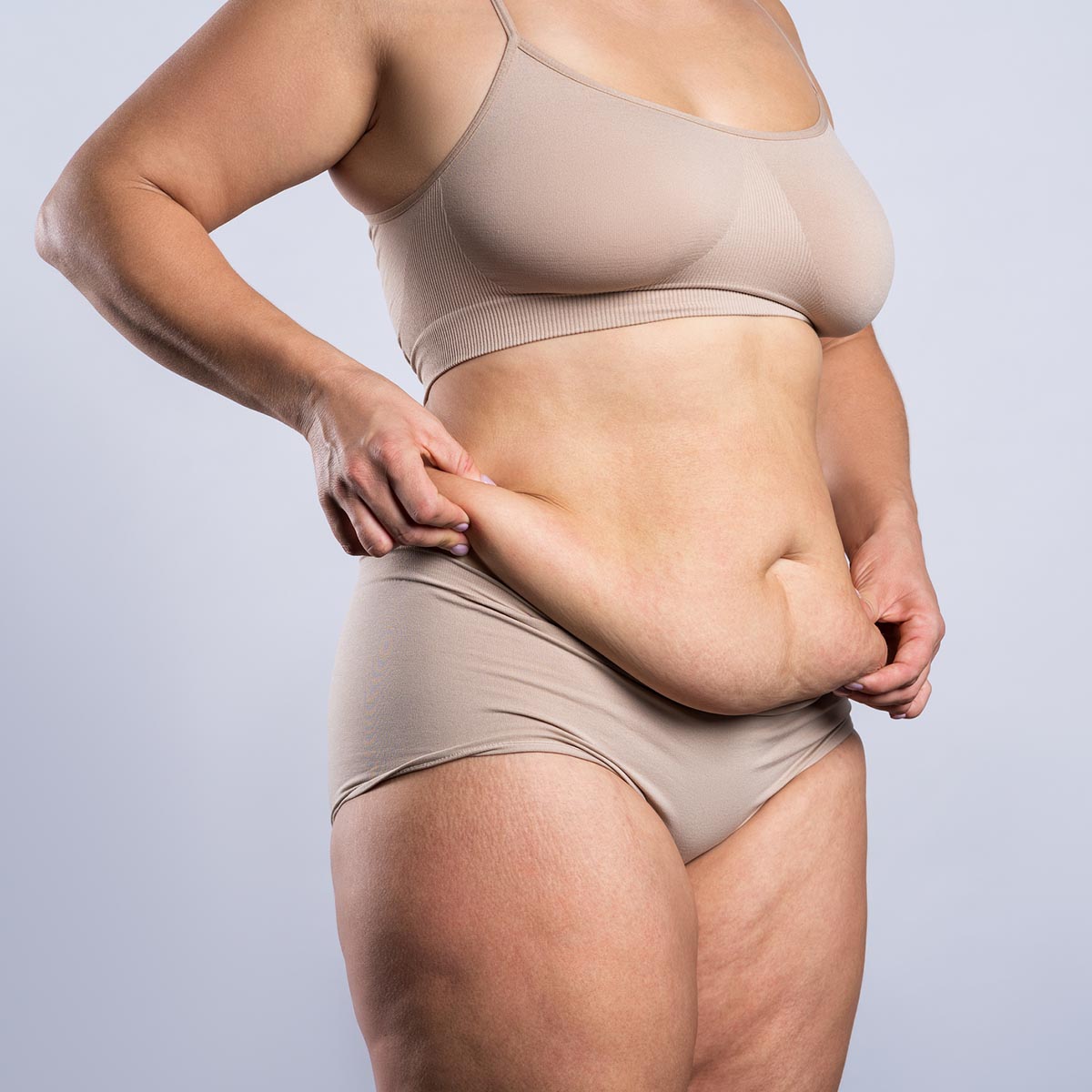
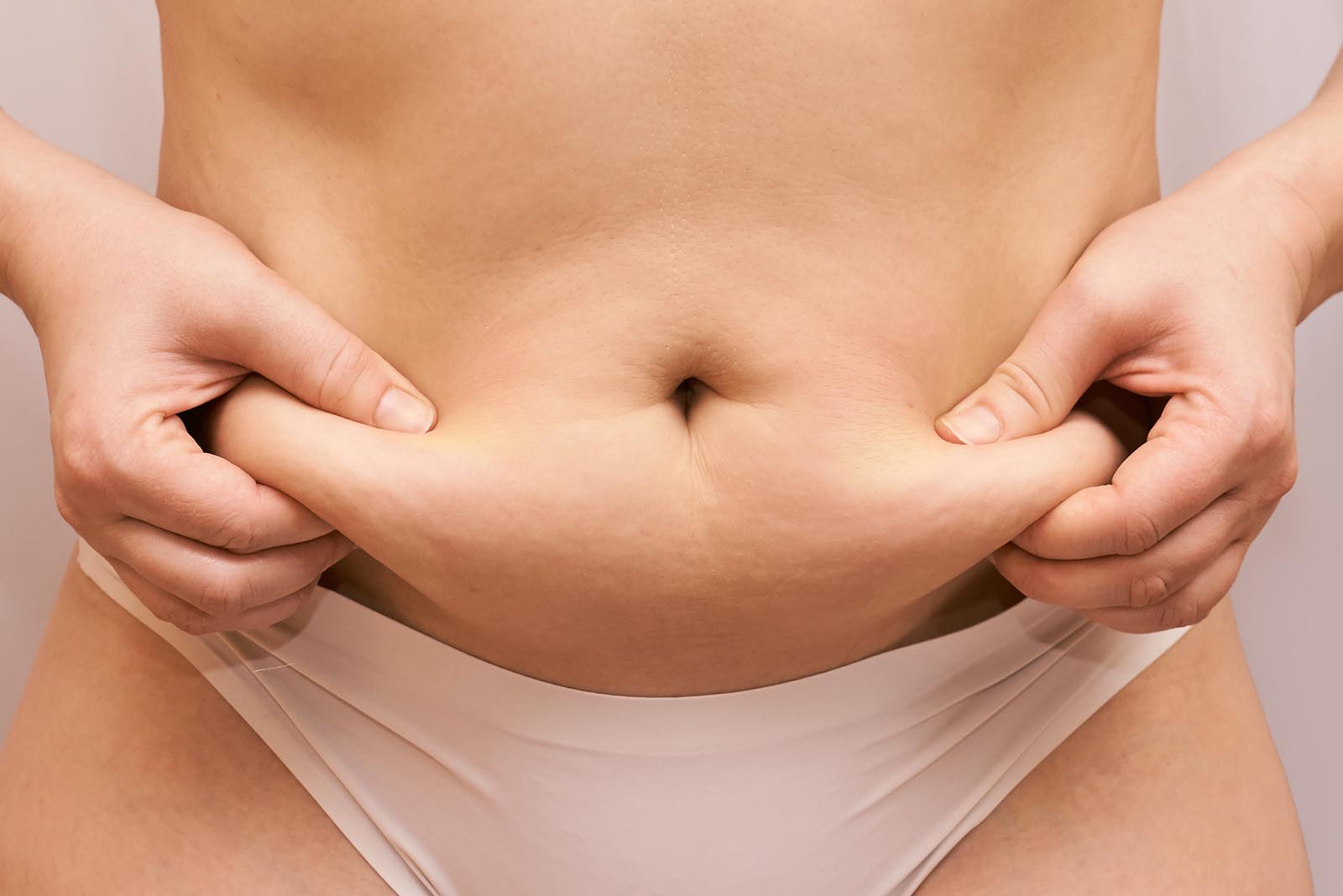
Both women and men can be affected by lax abdominal skin, although it is particularly common among women. Genetic factors play a role, and the strength and elasticity of female connective tissue tend to diminish over time. Dieting and pregnancy can also place considerable strain on the abdominal skin and cause it to stretch. Stretch marks after pregnancy are one relatively mild consequence: once the skin has lost elasticity, they generally remain. More extensive loose skin around the abdomen and waist can have a much greater effect on body confidence, sometimes forming what is commonly known as an abdominal apron.
Despite the name, an abdominal apron does not consist solely of fat, but primarily of skin and tissue that have lost their elasticity. Significant fluctuations in weight can have the same effect. Once these lax tissues have developed, diet, exercise and massage cannot tighten them sufficiently. Surgery is the only effective way to remove substantial excess abdominal skin. Abdominoplasty, also known as a tummy tuck, can restore a firmer body contour and help patients feel more comfortable and confident in their bodies.
At my specialist practice for plastic and aesthetic surgery in Berlin, I perform abdominoplasty using a range of surgical techniques. The procedure may also be combined with other forms of aesthetic surgery, such as liposuction or a mummy makeover. My approach combines high medical standards with careful aesthetic judgement, with the aim of achieving a natural, well-proportioned and long-lasting result.
- Procedure time
- Approx. 3 hours
- Anaesthesia
- General anaesthetic
- Hospital stay
- One day
- Social downtime
- Ten days to two weeks
- Return to work
- Ten days to two weeks; three to four weeks for physically demanding work
- Exercise
- After four weeks
- Initial wound healing
- Two weeks
- Cost
- From €7,000, depending on the extent of the tummy tuck and the surgical technique used
- Aftercare
- Physical rest for at least two weeks, a compression garment for six weeks and scar care after the sutures have been removed
A tummy tuck is performed as an inpatient procedure. You will generally remain in hospital for 24 hours, although a longer stay may be advisable following extensive abdominoplasty. After a final discussion of the procedure and aftercare, you will receive a general anaesthetic. At the end of the operation, drains are inserted to remove wound fluid, the incisions are closed and dressings are applied. The drains are normally removed after 24 hours and the sutures after one week.
When a tummy tuck is performed by a specialist in plastic and aesthetic surgery with substantial experience in this field, complications are uncommon, even following extensive abdominoplasty. Nevertheless, as with any operation, risks cannot be ruled out entirely. Possible complications include delayed wound healing, infection, intolerance to medication and allergic reactions. To reduce these risks, I recommend avoiding painkillers, blood-thinning medication and sleeping tablets for at least one week before surgery unless medically required, as well as refraining from nicotine and alcohol during this period. Bruising and swelling are expected during the first few days after surgery, and minor postoperative bleeding may also occur. I will prescribe suitable pain relief for you to take as required.
Following a tummy tuck, you should allow at least 14 days for rest and recovery. Gentle movement remains important during this period to support your circulation, and short walks are a good option. Immediately after surgery, a compression garment is fitted over the wound dressing and should be worn continuously for the next four to six weeks. It supports and compresses the skin and muscle tissue in the treated area, reduces strain on the sutures when moving or coughing and helps the final abdominal contours to develop. You may shower again once the drains have been removed. The sutures are removed after 14 days, after which you can begin scar care. I will show you the appropriate technique and recommend suitable scar ointments. Light exercise is usually possible after around four weeks, with jogging and gym-based exercise approximately two weeks later. More strenuous activities, such as weight training, should be avoided for around three months. To reduce the risk of unwanted pigmentation, the scars should also be protected from direct sunlight and other UV exposure for several months.
A Firmer, More Defined Contour with a Tummy Tuck in Berlin
Abdominoplasty, or a tummy tuck, is a plastic surgery procedure that removes excess, lax skin from the abdominal area. It can also be used to tighten the rectus abdominal muscles and abdominal wall, thereby improving the definition of the waist. Weakness or separation of these muscles can cause the abdomen to protrude, a condition known as rectus diastasis. Although tummy tuck surgery is often associated with liposuction, the two procedures are not the same. Abdominoplasty primarily tightens the skin and muscles, whilst abdominal liposuction reduces localised fatty tissue. Neither procedure is intended as a method of weight loss; rather, they can complement an already healthy lifestyle by improving body contour. When a loss of skin elasticity is accompanied by larger fat deposits in the lower abdomen, tummy tuck surgery and liposuction can be combined to create a more defined waist and abdominal contour.
What Results Can Be Achieved with a Tummy Tuck in Berlin?
Abdominoplasty can create a flatter, firmer abdomen and, where appropriate, a slimmer and more defined waist. During the operation, which takes around three hours, I remove excess skin and lax tissue, generally focusing on the lower abdomen. The procedure can restore proportions that have been altered by pregnancy, weight changes or tissue laxity. An initial improvement will be visible immediately after surgery, but the final result develops over four to six months as swelling subsides and healing is completed. With a stable weight and healthy lifestyle, the outcome can be very long-lasting. Further surgery may be necessary after substantial weight fluctuations if the abdominal wall and skin become lax again.

Where Are the Incisions Made for a Tummy Tuck?
Different abdominoplasty techniques are used depending on the individual findings, and the position of the incisions is determined by the selected method. The choice of technique primarily depends on the amount and location of the tissue to be removed. A full or extensive tummy tuck is suitable for patients with a large area of excess skin. This form of abdominoplasty treats the lower, middle and upper abdomen. It requires an incision just above the pubic area and a further incision around the navel. The navel is released from the surrounding tissue, excess tissue is removed and the abdominal muscles are tightened if rectus diastasis is present. The remaining tissue is then drawn smoothly over the abdomen and adapted to the body contour, and the navel is repositioned. This is the most commonly performed form of abdominoplasty and may be combined with liposuction where appropriate. If the excess skin is confined mainly to the lower abdomen, a full abdominoplasty may not be necessary. In this case, a mini tummy tuck, or mini-abdominoplasty, may be sufficient. Tissue is removed through a horizontal incision above the pubic area, and the navel can remain in its original position. Liposuction may also be added to treat localised fat deposits around the flanks or upper abdomen. Endoscopic abdominoplasty may be considered when no excess skin needs to be removed and only the abdominal muscles require tightening. This uses a small access incision at the pubic hairline, usually leaving only a short and inconspicuous scar.
Tummy Tuck in Berlin – Personalised Consultation and Treatment
The first step towards a tummy tuck at my specialist practice for plastic and aesthetic surgery in Berlin is a detailed consultation, during which I will assess your individual anatomy and discuss your wishes. I will explain which surgical technique may be appropriate for you and what outcome can realistically be expected, as well as the procedure itself, its possibilities and limitations, and the associated risks. I will also take a detailed medical history and perform a physical examination. Immediately before surgery, I will review the procedure and aftercare with you once again.
If you are considering a flatter, firmer abdomen, you can book your initial consultation for a tummy tuck in Berlin here.
Frequently Asked Questions
Can a Caesarean Section Scar Be Improved During a Tummy Tuck?
Depending on your individual anatomy, a Caesarean section scar can be revised during either a full or a mini tummy tuck. Adhesions may also be released, and the appearance of the scar can often be made less conspicuous.
Can Liposuction Be Performed at the Same Time as a Tummy Tuck?
Combining a tummy tuck with liposuction is possible and, in many cases, advisable to achieve a balanced surgical result. At my Berlin practice, however, I perform liposuction alongside abdominoplasty only on the lower abdomen and flanks. Combining the operation with upper-abdominal liposuction can carry an excessive risk of skin necrosis and other complications. If you would also like liposuction of the upper abdomen, I will arrange this as a separate procedure.
Can I Combine Abdominoplasty with a Breast Lift?
In principle, yes. This combination is often chosen as part of a mummy makeover. A mummy makeover may include several plastic surgery procedures, such as a tummy tuck, breast lift, breast augmentation or intimate surgery such as labiaplasty, to restore body contours that have changed following pregnancy.
When Is a Tummy Tuck Indicated?
A tummy tuck may be indicated when the skin and muscle tissue of the abdomen have lost elasticity, for example due to an abdominal apron or weak connective tissue, and the resulting changes cause significant personal concern. Depending on the extent of the tissue changes, suitable techniques may include a full tummy tuck or a mini tummy tuck.
When Is a Mini Tummy Tuck Indicated?
Mini-abdominoplasty may be suitable when lax, excess skin is confined to the lower abdomen. Where appropriate, it can be combined with liposuction to treat additional localised fat deposits, including those affecting the abdomen or legs.
How Long Do the Results of a Tummy Tuck Last?
The results of a tummy tuck can be very long-lasting, provided that substantial fluctuations in weight are avoided. A healthy diet and regular exercise help maintain the surgical outcome over the long term. A second operation remains possible if required.
Is Pregnancy Still Possible After a Tummy Tuck?
A previous tummy tuck does not prevent a future pregnancy. However, it is generally preferable to postpone the procedure until you have completed your family, as pregnancy can adversely affect the surgical result.
Can a Tummy Tuck in Berlin Be Performed at Any Age?
In principle, a tummy tuck can be performed at any adult age. Certain pre-existing medical conditions may, however, make the procedure unsuitable. During your consultation, I will assess any relevant health concerns and discuss the options that may be appropriate for you.
Does Health Insurance Cover a Tummy Tuck?
If there is no recognised medical or psychological indication for a tummy tuck, health insurance providers generally do not cover the cost of the procedure.