
Hylase Treatment in Berlin – Revising Hyaluronic Acid Filler
Are you unhappy with the results of wrinkle treatment or lip enhancement with hyaluronic acid and would like them reversed or improved? Although hyaluronic acid is now used routinely in many practices to soften wrinkles, balance irregularities and reduce the appearance of dark circles, results are not always as intended. The filler may settle differently than expected, or an unsuitable or poor-quality hyaluronic acid product may have been used.
In rare cases, you may therefore be dissatisfied with the outcome of hyaluronic acid filler treatment. Hylase can help revise the result. It contains hyaluronidase, an enzyme that breaks down hyaluronic acid and can reduce filler-related swelling, making it suitable for treating unsatisfactory or uneven results.
At my specialist practice in Berlin, I will assess your concerns and advise you on whether Hylase treatment is an appropriate way to improve the result of your previous filler treatment.
What Is Hylase?
Hyaluronidase, often referred to by the product name Hylase, is an enzyme that also occurs naturally in the body, where it helps break down hyaluronic acid. It converts hyaluronic acid into smaller components that the body can process. Injected hyaluronidase is considerably more concentrated than the enzyme naturally present in the body, so treatment should only be performed by an experienced doctor.
When Is Hylase Used?
Even highly cross-linked hyaluronic acid does not remain in the body indefinitely. For minor irregularities, it may therefore be advisable to wait for the filler to break down naturally. Depending on the product used and your individual metabolism, this process generally takes between six and 18 months.
Hylase may be considered following significant treatment problems, pronounced unevenness or changes that make your face look noticeably distorted. It may also be used if nodules or granulomas develop after hyaluronic acid treatment. Hylase can reduce filler-related swelling, improve asymmetry, dissolve hyaluronic acid nodules and revise uneven filler results more quickly.
Hylase Treatment in Berlin – The Procedure
Before treatment at Dottore Caletti, I will take a detailed medical history and discuss your concerns, expectations and any anxieties you may have. Hylase treatment is an established procedure with a generally low risk profile when performed appropriately. I will also examine whether any swelling or nodules are in fact related to previously injected hyaluronic acid and whether all of the filler needs to be dissolved to achieve the intended result.
If possible, please find out which hyaluronic acid product was used before attending your appointment. The required dose of Hylase can vary according to the brand and volume of filler previously injected.
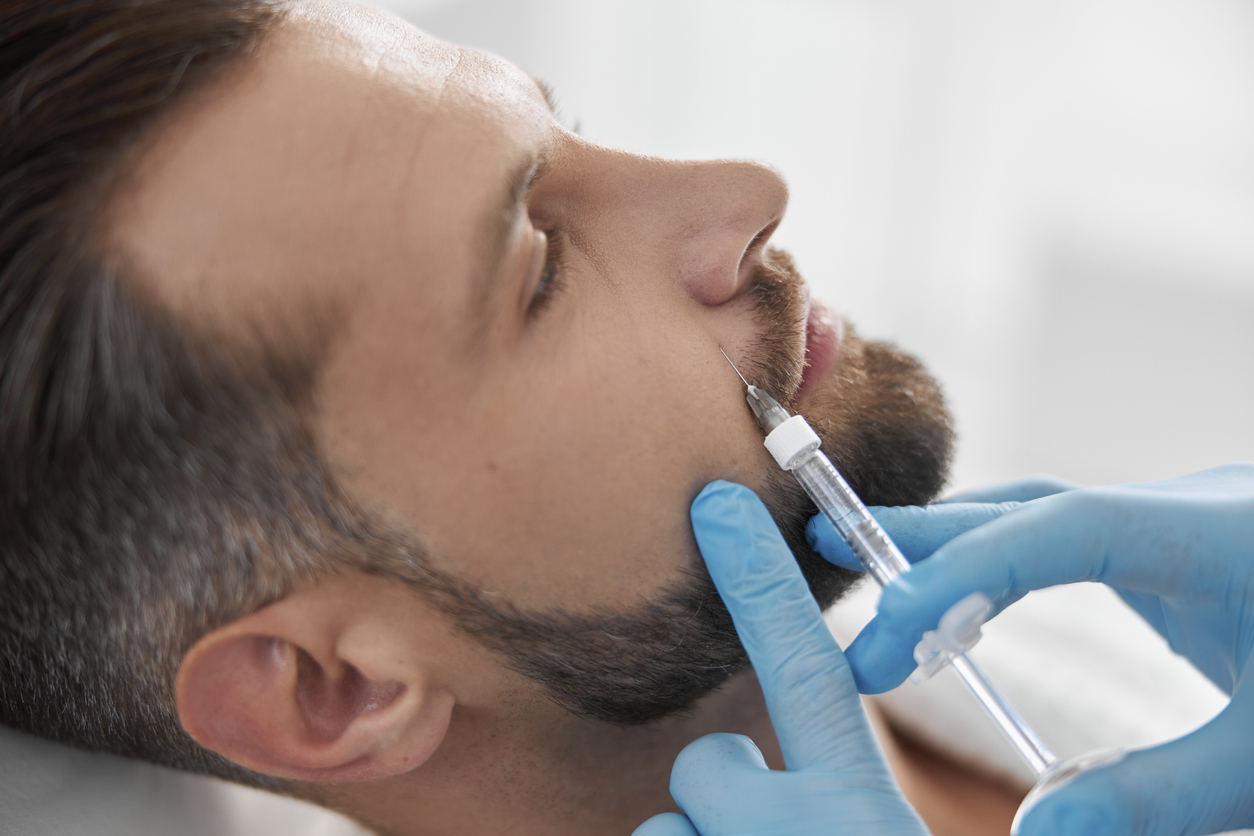
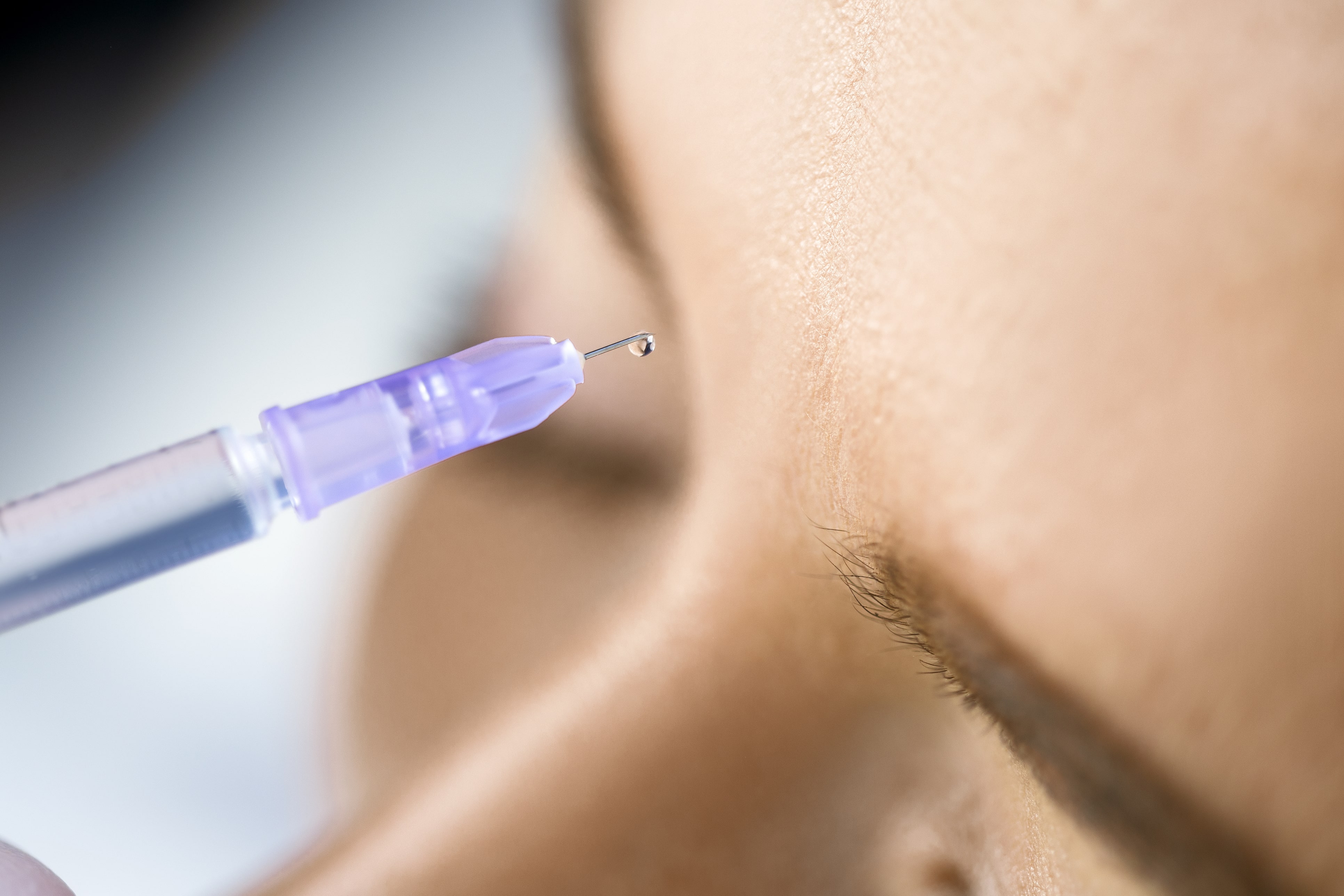
Hylase is injected in small doses into the affected areas using a fine needle. If a larger area requires treatment, I may use a different injection technique to minimise the number of needle punctures. If you are particularly sensitive to discomfort, a topical anaesthetic cream can be applied beforehand.
Hylase treatment is performed as an outpatient procedure and usually takes around 20 minutes, although the overall appointment may be longer depending on the consultation and medical assessment. You can generally return to your usual activities immediately after revision of wrinkle filler treatment with Hylase at my specialist practice in Berlin. After the procedure, you should avoid alcohol, nicotine, exercise, saunas and massage of the treated area.
Temporary swelling and bruising may occur after treatment. Gently cooling the affected area can help reduce these effects. If you experience discomfort, you may take a mild painkiller after Hylase treatment, provided it is medically suitable for you.
Hylase Treatment Before and After – When Will I See Results?
Initial changes following revision of hyaluronic acid filler with Hylase at my specialist practice in Berlin may be visible within a day. The result can usually be assessed after approximately one week, once swelling and any bruising have subsided. If filler-related swelling remains, a further dose of Hylase may be considered. Once the treated hyaluronic acid has been dissolved, that particular filler does not return; however, the appearance of the area may continue to change naturally over time.

Cost of Hylase Treatment
The cost of Hylase treatment depends on the number of sessions required and generally starts at €180 per session. Depending on your individual circumstances, more than one session may be needed to achieve the intended result. I can therefore only provide an exact quotation after examining you and will explain the anticipated costs during your consultation. Price should not be the only consideration when choosing your doctor; appropriate medical qualifications, experience, trust and a realistic treatment plan are equally important.
Risks and Side Effects of Hylase Treatment
Hylase treatment is generally a low-risk procedure, although temporary redness at the injection sites and mild swelling may occur.
Hylase does not distinguish between injected hyaluronic acid and the hyaluronic acid naturally present in your tissues. The dose must therefore be carefully selected to target the unwanted filler whilst limiting the effect on surrounding tissue. Using too much Hylase can cause temporary dents or depressions in the treated area.
If a small depression does occur, it is usually temporary rather than a long-term consequence of Hylase treatment, as the body replenishes its own hyaluronic acid. Nevertheless, the procedure requires careful assessment and should be performed by a specialist experienced in aesthetic medicine and facial anatomy.
Hylase should primarily be used to manage complications or clearly unsatisfactory filler results, rather than as a routine tool for repeatedly reshaping the face. Its effect is less predictable than the placement of hyaluronic acid filler.
When Should Hylase Treatment Not Be Performed?
Hylase treatment must not be performed if you are allergic to any of its ingredients. It may also be unsuitable during treatment with antibiotics, acetylsalicylic acid or anticoagulant medication; during pregnancy or breastfeeding; in patients with certain congenital heart defects; or where there is an infection at the proposed injection site. Any medication must only be paused following consultation with the prescribing doctor.
Patient Safety Comes First
At Praxis Caletti for plastic surgery in Berlin, no treatment is performed without a thorough consultation beforehand. You will have the opportunity to discuss your concerns, expectations and questions about the proposed procedure. Your safety and comfort remain our priority throughout your visit.
FAQ – Frequently Asked Questions
Can Hylase Treatment Dissolve Nodules in the Lips?
Yes, Hylase treatment may dissolve lip nodules caused by deposits of hyaluronic acid. Hyaluronidase breaks down the injected filler and can therefore reduce associated lumps or irregularities. It is an enzyme that also occurs naturally in the body and contributes to the breakdown of the body’s own hyaluronic acid.
Can Hyaluronic Acid Be Injected Again After Hylase Treatment in Berlin?
Yes, hyaluronic acid filler can be injected again after Hylase treatment. At least one week should generally be allowed between dissolving the filler and performing a new hyaluronic acid treatment in the same facial area to reduce the risk of unwanted reactions and allow the tissues to settle.
Hylase and hyaluronic acid should not, however, be injected alternately as a routine method of reshaping the face. Hylase is intended primarily for complications such as filler-related nodules and significant treatment problems.
What Causes Nodules and Granulomas?
Small lumps beneath the skin can be normal during the first few days after hyaluronic acid treatment and will often settle without further treatment. In rare cases, however, the body may treat the injected filler as a foreign material and form a capsule around it, resulting in what is known as a granuloma. A medical examination is required to distinguish a granuloma from a simple deposit or nodule of hyaluronic acid.
Skin contamination and unsuitable or poor-quality hyaluronic acid products may also contribute to granuloma formation. Before treatment, you should ask your doctor which hyaluronic acid product will be used and ensure that it is an approved, traceable product.
How Do Nodules Develop in the Lips?
In rare cases, nodules or granulomas may develop after lip enhancement with hyaluronic acid. A granuloma forms when tissue develops around material that the body perceives as foreign — in this case, the injected hyaluronic acid. This immune response causes inflammatory tissue to form around the filler.
How Should I Prepare for Hylase Treatment in Berlin?
At Praxis Caletti for plastic surgery in Berlin, we recommend avoiding alcohol for 48 hours before treatment. Blood-thinning medication should only be paused after consultation with your doctor. If you have allergies, please bring your allergy record or relevant medical documentation. Eat and drink adequately before your appointment and, if possible, attend the practice without make-up.
How Much Hylase Needs to Be Injected?
The precise dose of Hylase depends on your individual circumstances. A larger facial area containing unwanted hyaluronic acid generally requires more Hylase than a small, localised deposit. At Dottore Caletti, I favour a cautious, staged approach. The initial dose may occasionally be insufficient to dissolve all of the unwanted filler; in this case, a further carefully measured dose can be administered after reassessment.
Is Hylase Treatment in Berlin Painful?
Hylase treatment usually causes only mild discomfort. You may notice a brief stinging sensation and some pressure at the injection site. Anaesthesia is not generally required, but a topical anaesthetic cream can be applied if you are concerned about discomfort. The process of dissolving hyaluronic acid does not usually place any significant strain on the body.