

Wrinkle injections in Berlin – naturally tailored to you
A fresher look, softer lines, a little more fullness: Would you like a change that still leaves you looking like yourself? With wrinkle injections, we can soften wrinkles and gently accentuate facial contours.
Whether fillers, botulinum toxin or your own fat: At our practice in Berlin, you can find out which method suits your wish for a fresh, natural appearance. We take time for you.
Together, we find your way forward
What are wrinkle injections?
With wrinkle injections, we inject material into specific areas of the tissue. We often use hyaluronic acid; poly-L-lactic acid or your own fat can also build volume.
Botox, on the other hand, does not add volume: It temporarily relaxes the muscles that cause expression lines.
A liquid facelift combines several injection techniques to build volume and shape facial contours.
When are wrinkle injections used?
What bothers you, and what do you consider an essential part of your face? With this as our starting point, we look at your skin, facial expressions and proportions.
Areas where wrinkle treatment can be used include, for example:
- Crow’s feet and more pronounced wrinkles around the eyes.
- Laugh lines
- Forehead lines and frown lines
- Nasolabial folds
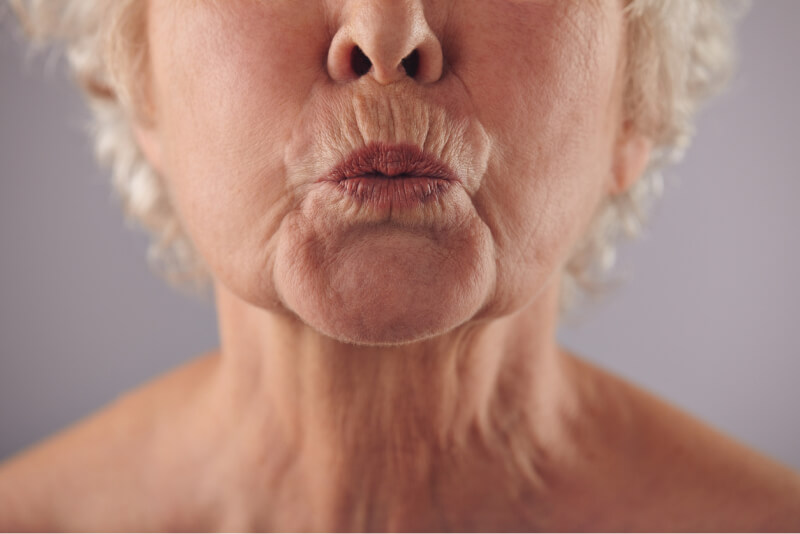
- Marionette lines that form between the corners of the mouth and the chin
- Wrinkles on the neck and décolletage



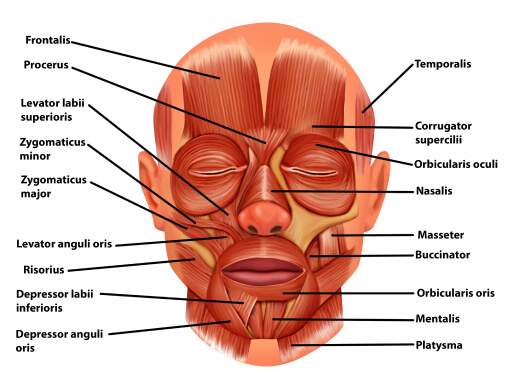
Distinguishing between expression lines and static wrinkles
The key factor is whether a wrinkle forms mainly during movement or remains visible even when the face is relaxed.
Static wrinkles are associated with declining skin elasticity and changes in the underlying tissue. This can also alter facial contours.
When supporting volume is lacking, fillers can soften depressions and, for example, shape the chin or jawline.
Expression lines develop through muscle movements. When movement and volume loss occur together, a combination of botulinum toxin and fillers may be appropriate.
At my practice in Berlin, we discuss the changes you would like and what can realistically be achieved with treatment.
Which area concerns you?
Fillers for wrinkles - an overview
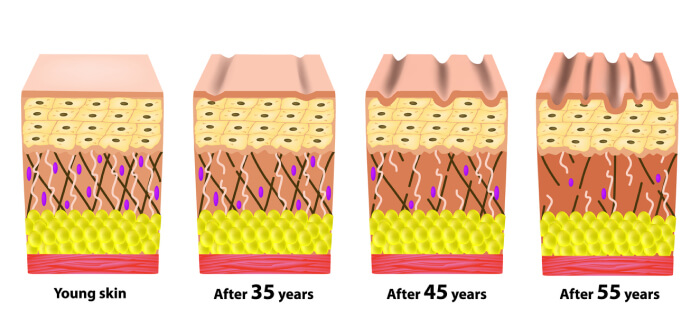
Not all fillers work in the same way. Here you will learn about the key differences.
What are fillers and what types are available?
Fillers are injectable materials that add volume or stimulate volume formation in the tissue.
Hyaluronic acid and poly-L-lactic acid are biodegradable fillers. Both are manufactured for medical use; their visible effects are temporary.
Permanent fillers, by contrast, remain in the body. Serious complications that are difficult to treat occur particularly frequently with these fillers. Biodegradable fillers also carry risks, which we explain below.
Which material is right for you?
When selecting a material, we consider your skin, the depth of your wrinkles and the volume deficit – as well as your wishes and potential risks.
In my practice, I offer treatments with hyaluronic acid, poly-L-lactic acid and autologous fat. We determine whether any of these procedures is suitable for you during a personal consultation and examination.
Wrinkle injections with hyaluronic acid
With hyaluronic acid, we can specifically treat fine lines or deeper wrinkles. We adjust the amount to suit your face.
What is hyaluronic acid?
Hyaluronic acid occurs naturally in our bodies. It binds water and contributes to the skin's hydration and fullness.
For injections, we use specially manufactured gels with properties suited to the respective facial region.
Possible treatment areas include nasolabial folds, fine lip lines, lips and facial contours. We carefully weigh the benefits and risks, particularly around the nose and eyes.
How does hyaluronic acid work against wrinkles?
The gel adds volume beneath the wrinkle and can thus reduce its depth.
The appropriate amount of volume also depends on the neighbouring facial areas. We pay attention to balanced proportions.
The right hyaluronic acid gel

Hyaluronic acid gels differ in firmness and elasticity, among other properties.
A fine lip line requires different material properties from targeted volume enhancement in the cheek.
We therefore select the gel based on its overall properties and intended use – not solely on its degree of cross-linking.
Wrinkle injections with poly-L-lactic acid
Poly-L-lactic acid is a synthetic, biodegradable material. It stimulates collagen formation through a tissue response. The change develops gradually.
Liquid lifting in Berlin: volume enhancement through injections
During liquid lifting, we coordinate volume enhancement across several facial areas. In cases of significantly sagging tissue, this treatment does not replace a surgical facelift.
Which facial regions can be included?
We specifically treat areas where volume is lacking. These may include:
- Cheekbones and the middle region of the cheeks
- Zygomatic arch and cheek transition
- Chin and jawline
- Mouth and nose region to smooth nasolabial folds and wrinkles between the corners of the mouth and the chin.
Fillers for liquid lifting
Depending on the treatment goal, hyaluronic acid or biodegradable, particle-containing fillers such as calcium hydroxylapatite and poly-L-lactic acid may be considered.
Inflammatory nodules or migration of the material can also occur later. Please therefore inform us of any previous filler treatments.
Wrinkle injections in Berlin with autologous fat (lipofilling)
We also offer treatment using your own fat tissue. For this, we remove fat by liposuction, process it and transfer it to the face.
An injection of autologous fat is particularly suitable for adding volume to larger areas.
Wrinkle injections with Botox
“Botox” is the common name for treatments with botulinum toxin. The active substance is not a filler, but a medication for targeted muscle relaxation.
We inject small, tailored amounts into selected muscles. There, botulinum toxin temporarily reduces signal transmission from the nerve to the muscle.
Typical areas include the forehead, frown lines and crow’s feet. Applications around the mouth or neck, for example, may be off-label; we discuss these with you separately.
A change that suits you
Perhaps you would like your face to look more rested, your cheeks to have a little more fullness again or the lines beside your mouth to appear softer. Such changes can contribute to a fresher, more youthful appearance. Our aim is to emphasise your individual character. What is achievable depends on your skin, anatomy and type of wrinkles.
We consider your face as a whole: a wrinkle beside the mouth may also be related to changes in the cheek. We therefore plan treatment for neighbouring regions together, rather than filling each line individually. What you like about your face is just as much a part of our conversation as what you would like to change.
How long-lasting are the results of wrinkle injections?
Each method follows its own course. We discuss with you when a change will become visible and how long it is likely to last.
With hyaluronic acid, the visible effect often lasts around six to twelve months. The product, injection depth and facial region can shorten or extend this duration. Before a touch-up, we assess the tissue again; a visible effect and complete breakdown of the material are not the same thing.
Poly-L-lactic acid works gradually by stimulating collagen production. Several sessions are usually planned; the change develops over weeks and can remain visible for up to around two years. A liquid facelift has no fixed duration of its own: this depends on the materials used and the treatment plan.
With autologous fat, the proportion that integrates into the tissue remains. The size of this proportion cannot be determined precisely in advance.
Botulinum toxin type A often works for around three to four months. The product, dosage and musculature influence the duration. We plan a touch-up according to your wishes and how the effects develop.
When you will see the first changes:
Hyaluronic acid adds volume immediately; swelling can affect the initial impression.
Botulinum toxin begins to take effect after a few days. The result develops over days to a few weeks.
Poly-L-lactic acid builds up its effect gradually.
How much does your treatment cost?
We plan the costs according to your treatment.
For fillers and Botox, the product, amount and areas treated are factors.
For autologous fat, liposuction and processing are additional factors.
For a liquid facelift, we take the entire treatment plan and the planned sessions into account.
If you are interested in wrinkle injections in Berlin, I would be happy to advise you personally on the respective costs.
What is the procedure for wrinkle injections in Berlin?
We treat you on an outpatient basis. Depending on the procedure and area, a numbing cream can reduce discomfort.
You may feel a pinprick, pressure or a pulling sensation. If you are concerned about pain, please feel free to discuss this with us.
Beforehand, we discuss your wishes and examine your skin and facial expressions. This determines the injection sites, material and dosage.
We will let you know how much time to allow before your appointment.
For more extensive volume enhancement, it may make sense to spread the treatment over several appointments.
For autologous fat, we also plan for surgical fat harvesting, suitable anaesthesia and recovery time.
Possible risks and side effects
You should be aware of these risks. Fillers can cause inflammation, allergic reactions, nodules and material migration. Rare vascular occlusions can lead to tissue death or vision loss – including with hyaluronic acid.
Botulinum toxin can cause headaches, unwanted muscle weakness, temporarily drooping eyelids or eyebrows and changes in facial expression. Very rarely, the effect spreads beyond the treatment area.
Redness, bruising, swelling and tenderness may occur after the injections. We explain how you should care for the treated skin.
Before you make your decision, we discuss your personal risks and how to manage possible complications. Please feel free to ask questions until everything is clear.
Well supported after treatment
We discuss cooling, care and follow-up appointments with you. For autologous fat, aftercare also includes the harvesting site.
Please act immediately if warning signs appear: Have unusual pain, numbness or severe pressure after fillers assessed by a doctor without delay. If you experience visual disturbances after a filler injection, seek medical help or go to an emergency department immediately. If you experience difficulty swallowing, speaking or breathing after botulinum toxin, you also need immediate medical help; if you have difficulty breathing, call 112.
For your everyday life, we discuss:
- When it is appropriate to resume work, social engagements and wearing make-up.
- How long you should take a break from sport and physical exertion.
- When sauna visits, tanning beds and cosmetic treatments are possible again.
You will receive recommendations tailored to your treatment.
Frequently asked questions about wrinkle injections
What should we know about you before treatment?
Please tell us about any medical conditions, medications, intolerances and previous treatments. Inflammation in the treatment area may be a contraindication to injections. With Botox, we pay particular attention to nerve and muscle disorders; its use is not recommended during pregnancy and breastfeeding.
When is a liquid facelift suitable for me?
It may be suitable if you lack volume and injections can help support your desired contours. We assess the tolerability and suitability of each proposed material.
Which wrinkle injection treatment is the best?
That depends on what you would like to change. Botulinum toxin is often an option for movement-related forehead wrinkles or frown lines. If the cheeks or lips lack volume, hyaluronic acid fillers may be suitable; if more volume is needed, we also consider autologous fat. Your skin condition, previous treatments and preferences help us choose the appropriate method together.
Wrinkle injections - when to use fillers and when to use Botox?
Fillers add volume, while Botox reduces muscle activity. For deeply etched expression lines, muscle relaxation alone is sometimes not enough; in these cases, we assess additional options.
Are wrinkle injections dangerous?
In addition to swelling and bruising, serious complications are also possible: with fillers, rare vascular occlusions causing tissue damage or vision loss; with Botox, unwanted muscle weakness. You will find warning signs and specific guidance in the aftercare section.
What types of fillers are available?
Biodegradable fillers include hyaluronic acid, poly-L-lactic acid and calcium hydroxylapatite.
Another option for adding volume is the transfer of your own body fat.
What are the benefits of a liquid facelift?
With a liquid facelift, we can harmonise several areas of the face, such as cheek fullness, the transition to the mouth and the chin contour. The aim is a fresher overall appearance through targeted volume enhancement. No tissue is surgically tightened in this procedure; for significantly sagging skin, we therefore assess other options.
How much do wrinkle injections cost?
That depends on the method and extent of treatment. During the consultation, we will explain the costs of your personal treatment plan.
Are the costs of wrinkle injections or a liquid facelift covered by health insurance?
You generally pay for aesthetic wrinkle treatments yourself. Please clarify any questions about possible reimbursement with your insurer in advance.
How long-lasting are the results of wrinkle injections?
Botulinum toxin type A often works for about three to four months. With hyaluronic acid, the visible effect often lasts six to twelve months; with poly-L-lactic acid, the gradually developed effect can last up to about two years. The area, material and your individual response influence how the effects develop over time. We decide together whether and when you would like a touch-up.