
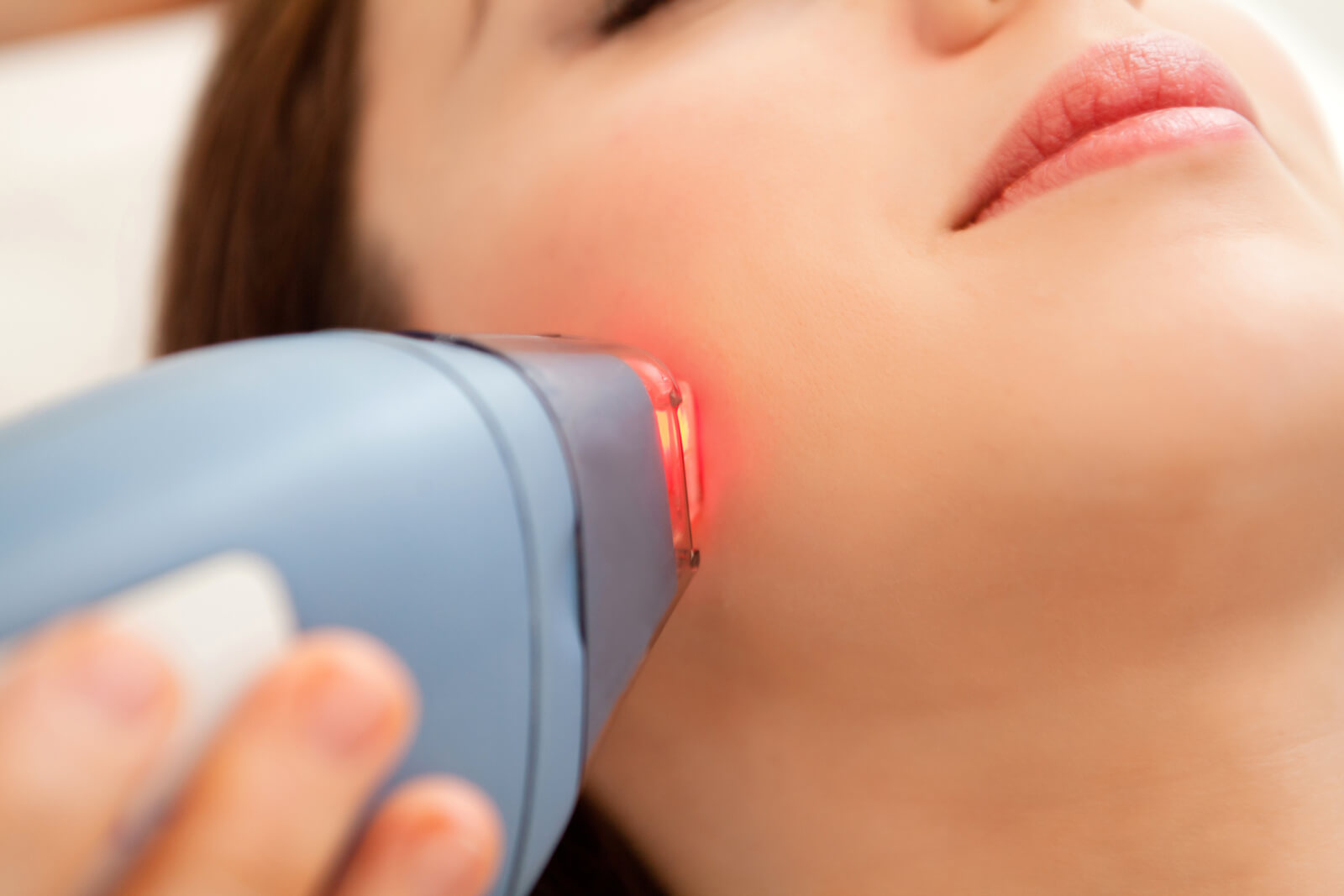
Laser Treatment with LaseMD
Laser treatment with LaseMD is an innovative procedure used for skin tightening, skin rejuvenation and the treatment of pigmentation, among other concerns. It can restore firmness to tired, stressed and environmentally damaged skin whilst softening wrinkles and reducing unwanted pigmentation. LaseMD prepares the skin to absorb cosmeceuticals—highly active formulations designed to support skin regeneration—which can reach deeper layers of the skin and connective tissue. The results of LaseMD laser treatment can be long-lasting.
At my Berlin practice for plastic and aesthetic surgery, I perform LaseMD treatments using advanced laser technology and high-quality cosmeceuticals. The treatment can leave your skin looking fresher, smoother and more youthful, helping you feel more confident in your appearance.
- Treatment time
- Approximately 40 minutes
- Anaesthesia
- Not usually required; a topical anaesthetic cream can be applied
- Hospital stay
- Outpatient treatment
- Social downtime
- Usually none; you can resume social activities immediately after treatment
- Time off work
- Usually none; you can return to work immediately after treatment
- Exercise
- Can usually be resumed the day after treatment
- Wound healing
- Not applicable
- Cost
- From €350 per session, depending on the extent of treatment
- Aftercare
- Avoid make-up, exercise, saunas and sunbeds on the day of treatment. Avoid intense sun exposure during the treatment course and for four weeks afterwards to reduce the risk of pigmentation changes
Before using the laser, I cleanse the skin of your face and any other areas being treated, such as the neck or décolletage, and apply a mild antiseptic. If you wish, I can then apply a topical anaesthetic cream. LaseMD treatment is generally well tolerated, although you may notice warmth and a mild stinging sensation. I pass the laser over each area several times, helping to enhance the delivery and effect of the selected cosmeceuticals. After the laser treatment, I apply either a single cosmeceutical or a personalised combination of active ingredients, prepared in the practice immediately beforehand. A soothing skincare cream is applied at the end. You will also receive the cosmeceutical used during your treatment to continue applying at home. Please use it twice daily until it is finished, as this supports the treatment effect. A LaseMD skin treatment takes approximately 45 minutes. You can usually return to work and social activities immediately afterwards. Initial results become visible within a few days, with skin regeneration and improvement continuing over the following weeks.
LaseMD treatment with a thulium laser is considered low risk, and systemic side effects are not generally expected. Allergic reactions to the selected cosmeceuticals are uncommon; the formulations use naturally derived active ingredients and are selected with sensitive skin in mind. For your safety, I will ask about any known allergies during your consultation and take these into account when choosing the serum. Immediately after laser treatment, the skin may be mildly irritated or red. In rare cases, slight swelling can occur, although this usually subsides quickly. If you experience any concerns, please contact the practice for advice on appropriate care.
No specialised aftercare is usually required. You should avoid exercise, saunas and sunbeds on the day of treatment. During the treatment course and for four weeks afterwards, avoid intense sun exposure and protect the treated areas from UV radiation, including during any visits to a sunbed.
Fresher, Rejuvenated Skin with LaseMD and Cosmeceuticals
LaseMD is an innovative and effective treatment designed to restore freshness and firmness to tired-looking skin. A non-ablative thulium laser creates precise microchannels in the skin in a controlled manner. Advanced cosmeceuticals are then delivered through these channels to support the skin’s natural regenerative processes from within.
What Is a Laser?
A laser is an amplified, high-energy beam of light with a defined wavelength. Its effect is based on converting light energy into heat. Because each laser uses a specific wavelength, it can act selectively on targeted tissue structures whilst limiting damage to the surrounding skin. Different laser technologies are used in medicine and aesthetic treatment. Cosmetic laser procedures may be used to soften fine lines, improve unwanted skin changes and reduce tattoos or permanent make-up. LaseMD differs from conventional ablative laser treatments because it does not remove the skin’s upper layer. It is therefore described as a non-ablative procedure.
Which Aesthetic Concerns Can LaseMD Treat?
Aesthetic applications of LaseMD include:
- Skin rejuvenation of the face, neck and décolletage
- Skin tightening, wrinkle treatment and anti-ageing care
- Pigmentation treatment, including the reduction of melasma and chloasma. Melasma causes patchy, dark areas of pigmentation on sun-exposed skin. Chloasma is a form of hyperpigmentation influenced by hormones, particularly oestrogen, and is especially common during pregnancy and menopause
- Treatment of skin damage caused by sun exposure and sunbeds
- Scar treatment and acne therapy

What Are Cosmeceuticals?
Cosmeceuticals are highly concentrated, biologically active ingredients. Unlike conventional cosmetics, they are formulated to pass through the skin barrier and act within deeper layers of the skin. Combining them with the LaseMD thulium laser can enhance their delivery and effectiveness.
For LaseMD laser treatment at my practice, I use the following cosmeceuticals:
- Vitamin C (VC ampoule)
- Vitamin C is a powerful natural antioxidant. It helps limit free-radical activity and supports new collagen production, contributing to skin rejuvenation. It can also support the regeneration of skin affected by sun exposure
- Vitamin A—retinol and retinoic acid (VA ampoule). Retinol supports skin renewal and rejuvenation and may also be used in the treatment of acne
- Tranexamic acid (TA ampoule). Tranexamic acid is used to treat pigmentation and can also help create a more even, brighter skin tone
- Resveratrol (RS ampoule). Resveratrol is an antioxidant polyphenol found naturally in grapes and wine and is used as an anti-ageing ingredient. For LaseMD treatment, it is applied in a highly concentrated form. Resveratrol supports the skin’s regenerative processes and can contribute to skin rejuvenation and improved firmness. It has also been studied for its potential protective effects against UV-related cellular damage and photoageing, although it is not a substitute for sun protection and cannot prevent skin cancer.
What Results Can LaseMD Laser Treatment Achieve?
Following a course of LaseMD laser treatments with cosmeceuticals, the skin can appear noticeably smoother, firmer and more youthful. Fine lines may be softened and can initially become much less visible. Pigmentation and other sun-related skin changes may also be reduced. Overall, the treatment can produce a lasting improvement in skin texture, leaving the complexion looking fresher and more even.
LaseMD Thulium Laser Treatment at My Practice—Medical Excellence in Aesthetic Care
At my specialist practice for plastic and aesthetic surgery, I use LaseMD to treat a range of suitable aesthetic concerns. All cosmeceuticals used during treatment come from certified manufacturers and meet high quality standards.
Every LaseMD treatment at my practice begins with a detailed consultation. I will explain how the laser and the different cosmeceuticals work, as well as what the procedure involves. I will also discuss the possibilities and limitations of LaseMD treatment. To identify any potential contraindications, I will ask about your medical history and any existing health conditions. I will then examine your skin and select the active ingredient best suited to your individual treatment goals. As a specialist in plastic and aesthetic surgery, my priorities are medical safety, precise treatment planning and high-quality, long-lasting results. My aim is to enhance your individual features naturally and help you feel more confident in your appearance.
Frequently Asked Questions
When Should I Start LaseMD Laser Treatment?
Starting LaseMD skin rejuvenation and regeneration treatments at an earlier stage may help maintain skin quality and reduce the development of some signs of environmental damage and premature ageing. It may also help delay the appearance of fine lines. If you are considering LaseMD for pigmentation, acne or scar treatment, an early assessment can help establish the most appropriate time to begin.
Is There an Ideal Time of Year for LaseMD Laser Treatment?
Where possible, LaseMD treatment on sun-exposed areas—such as the face, neck, décolletage or hands—should be scheduled during months with less intense sunlight. Treatment temporarily increases the skin’s sensitivity to the sun, which can raise the risk of unwanted pigmentation. The period from September to May is therefore generally ideal.
How Often Should LaseMD Skin Treatment Be Performed?
An initial improvement may be visible within a few days of the first session. For optimal results, I generally recommend a course of at least four treatments, although the precise number will depend on your skin, individual circumstances and treatment goals. Sessions within a course are usually performed at intervals of two to four weeks.
The results of LaseMD skin treatment generally last for many months. Periodic maintenance treatments may help support continued skin regeneration and address early changes before deeper wrinkles or more visible skin damage develop.
What Results Can I Expect from LaseMD Laser Treatment?
LaseMD can produce a long-lasting improvement in the appearance and texture of your skin. The skin may feel softer and smoother, whilst wrinkles and areas of pigmentation can become considerably less visible. As the treatment also supports regenerative processes in deeper skin layers and connective tissue, the skin can appear firmer and more youthful.
Are There Any Contraindications to LaseMD Laser Treatment?
The main contraindications to LaseMD treatment include acute infections, certain skin conditions, some medications and existing skin lesions. I will advise you in detail during your consultation; in many cases, treatment can be performed safely at a later date. LaseMD laser treatment should not be carried out during pregnancy or whilst breastfeeding.