
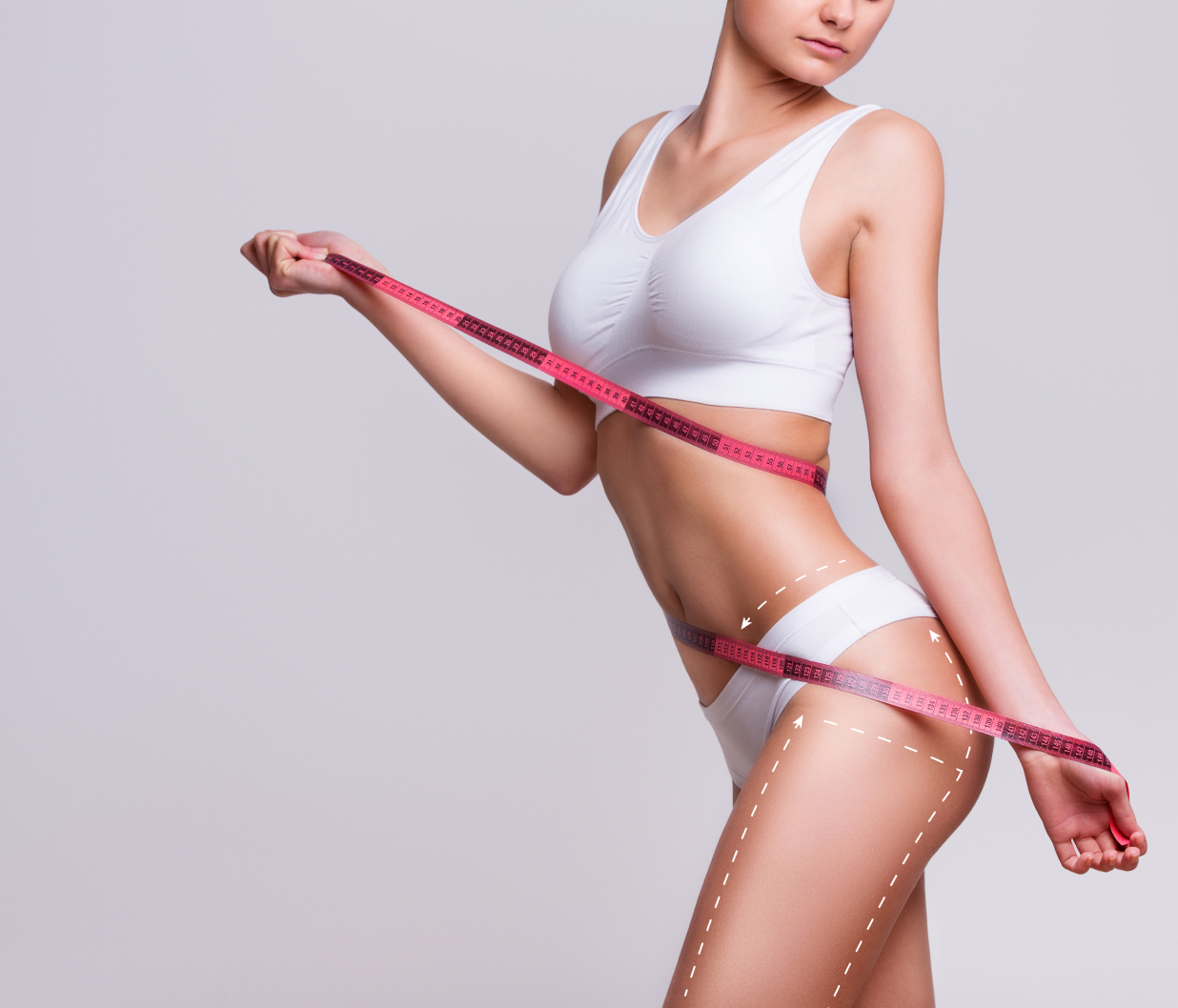
Leg Liposuction in Berlin
Women and men alike may wish for slim, well-shaped and proportionate legs, yet their shape cannot always be controlled entirely. Targeted exercise and a balanced diet can make an important contribution to attractive leg contours, but the effects of time can still become apparent.
Leg liposuction can reduce stubborn areas of fat and create more balanced contours. Following the procedure, many patients feel more comfortable and confident in their appearance. Liposuction may therefore have a positive effect not only on body shape but also on self-confidence and quality of life.
At the Caletti practice for plastic surgery, we perform leg liposuction in Berlin using a range of techniques in accordance with current medical standards. For me, Dottore Caletti, and my experienced team, the priority is to achieve a natural, proportionate result that helps you feel more confident in your body.
- Procedure time
- Between 1.5 and four hours, depending on the extent of treatment and the liposuction technique
- Anaesthesia
- Local anaesthesia with twilight sedation, or general anaesthesia
- Hospital stay
- Outpatient procedure or a 24-hour hospital stay
- Social downtime
- One to two days
- Return to work
- After two to three days for non-physical work; after seven to 14 days for physically demanding work
- Exercise
- After four weeks
- Wound healing
- Approximately 14 days
- Cost
- Depending on the extent of the procedure, from €3,000
- Aftercare
- Compression garments for approximately four weeks and regular follow-up appointments at the practice
Leg liposuction can be performed using several different techniques, but the underlying principle is the same: fatty tissue beneath the skin is selectively loosened and then removed through fine cannulas. The removal of excess fat can be controlled with precision, allowing the leg contours to be refined in a balanced and aesthetically appropriate way. A personalised consultation is an essential part of preparing for the procedure. If any questions remain afterwards, you are welcome to arrange a further consultation at any time. To reduce the risk of complications, you should avoid blood-thinning medication, including anticoagulants and painkillers such as aspirin, for one week before surgery, unless it has been prescribed and any change has been agreed with your treating doctor. Avoiding alcohol and nicotine, or reducing them to an absolute minimum, can also lower the risk of impaired wound healing. It is equally important to follow my aftercare recommendations carefully. Leg liposuction is generally performed as an outpatient procedure. An overnight hospital stay may be arranged at your request, where individual risk factors make this advisable or depending on the extent of the liposuction. Before treatment begins, the areas of fat to be addressed are marked on the body in contour lines, and the small access points for the cannulas are planned. If the skin in the treatment area was already lax before surgery, or if fat removal is likely to leave excess skin, liposuction may be combined with a skin-tightening procedure. Where the patient’s individual anatomy permits, I use J-Plasma Renuvion at my practice for this purpose. This technology can tighten tissue without the need for surgical skin excision. Electrical energy and helium gas generate a cool plasma stream known as Cool-Plasma. The energy acts directly on the connective tissue, producing a lasting tightening effect whilst limiting the impact on surrounding tissue. Treatment is carried out through the same small incisions used for liposuction. The plasma device’s probe is passed beneath the skin through these access points. The plasma stream is generated in the handpiece and can be controlled to reach the relevant parts of the treatment area. In suitable cases, the harvested fat cells may also be used in another aesthetic procedure, such as breast augmentation with lipofilling, also known as autologous fat transfer. If so, the two procedures are coordinated accordingly.
Liposuction is generally considered a low-risk operation. When performed by an experienced specialist in plastic and aesthetic surgery, serious complications and significant adverse effects are uncommon. As with any surgical procedure, however, leg liposuction can cause bleeding, bruising, infection, impaired wound healing or reactions to medication. Temporary changes in sensation or numbness may occur in the treated areas during the first few weeks after surgery. Serious complications such as embolism are very rare. International studies indicate that the risk of complications increases particularly when more than three litres of fatty tissue are removed or when unrelated operations are performed on the same day. As a specialist in plastic and aesthetic surgery, I take great care to observe appropriate safety limits. If a larger volume of fat needs to be removed, a second liposuction procedure may be performed once healing from the first operation is complete.
Immediately after leg liposuction, you will be provided with compression garments at our practice. These should be worn continuously, including at night, for the following four weeks. Compression helps prevent the spaces created by liposuction from filling with blood, tissue fluid or loosened fat cells. Such collections can lead to scarring or seromas, which may compromise the aesthetic result and, in some cases, require surgical treatment. You should also avoid exercise and other physical exertion during this period. Mild discomfort, bruising and swelling in the treated areas are normal during the first few days after liposuction. Prescribed medication can help control discomfort, whilst regular cooling may reduce bruising and swelling. Some swelling may take several weeks or months to resolve fully. You may usually shower for the first time on the second or third day after liposuction. Baths and sauna visits can generally be resumed after four to six weeks. I arrange follow-up examinations at my practice throughout the healing process according to your individual needs. Please contact me immediately if you experience severe pain, fever, inflammation or hardening in any of the treated areas.
Stubborn Fat Deposits on the Legs
As we age, localised areas of fat often become apparent around the knees and thighs. In women, excess fat cells can be particularly persistent around the thighs. This may produce what is commonly known as “saddlebags”: deposits around the buttocks and outer thighs that often remain despite intensive exercise.
The causes include genetic predisposition as well as hormonal and evolutionary factors. The body tends to store fat in these areas, historically providing energy reserves to support mother and child during pregnancy and times of scarcity. In other cases, unwanted fat deposits may affect not only the thighs and buttocks but the entire leg.
Leg liposuction may address one or several of these areas. Treating more than one zone can also be important for maintaining balanced proportions. For example, after combined liposuction of the inner and outer thighs, a significantly slimmer thigh may make the lower leg appear comparatively straight or column-like.
Liposuction around the knees can restore a more balanced transition and improve the overall proportions. The general aim of leg liposuction is to achieve a lasting improvement in leg contour that remains in proportion with the rest of the body.
What Results Can Leg Liposuction Achieve?
Liposuction can restore a slimmer, firmer-looking shape to the legs or create this contour for the first time. Initial changes are often visible within the first few days after surgery. As swelling and bruising subside, the appearance continues to improve over the following weeks. The final leg contour is usually apparent after eight to ten weeks, although in individual cases it can take up to six months.
For many of my patients, the benefits of leg liposuction extend beyond the physical change. Feeling more comfortable with their proportions can also improve self-confidence and quality of life.
How Leg Liposuction Is Performed in Berlin
Leg liposuction is generally performed as an outpatient procedure. An overnight hospital stay may be arranged at your request, because of individual risk factors or due to the extent of surgery. Before treatment, we hold a personalised consultation to prepare for your procedure. If you have any further questions afterwards, you are welcome to arrange an additional appointment at any time.
Several techniques can be used for leg liposuction, but the underlying principle is the same in each case. The fatty tissue beneath the skin is selectively loosened and then removed through fine cannulas. Excess fat can be reduced with precision, allowing us to refine the leg contours and achieve an aesthetically balanced result.
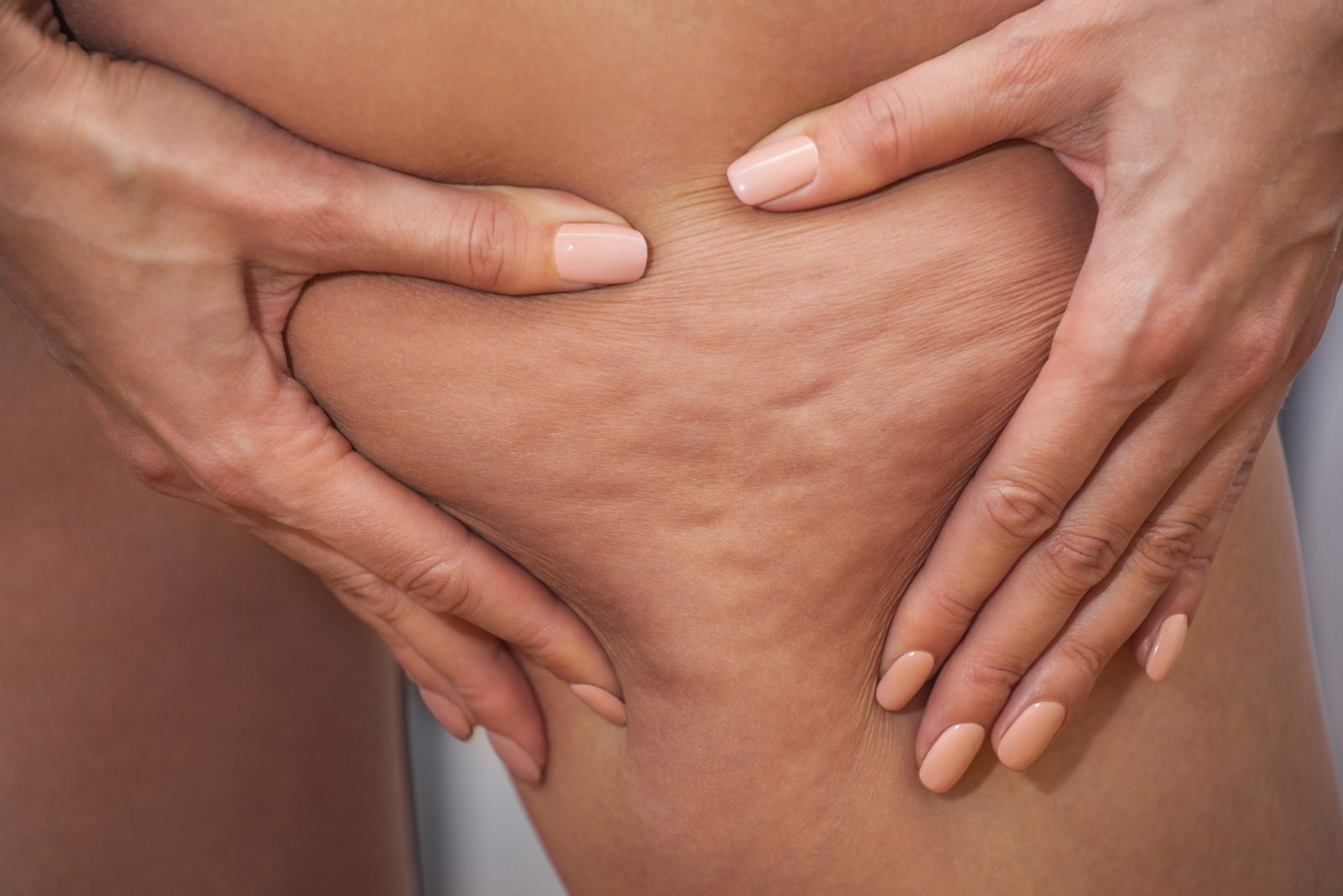
Before liposuction begins, the areas of fat to be treated are marked on the body in contour lines, and the small access points for the cannulas are planned. If the skin in the treatment area was already lax before surgery, or if removing fat is likely to leave excess skin, liposuction may be combined with a skin-tightening procedure.
Where the patient’s individual anatomy permits, J-Plasma Renuvion may be used. This technology can tighten tissue without the need for surgical skin excision by using electrical energy and helium gas to generate a cool plasma stream known as Cool-Plasma.
The released energy acts directly on the connective tissue and produces a lasting tightening effect whilst limiting the impact on surrounding tissue. The plasma device’s probe is passed beneath the skin through the same small incisions used for liposuction. The plasma stream is generated in the handpiece and can be controlled to reach each relevant part of the treatment area.
In suitable cases, the harvested fat cells may also be used for another aesthetic procedure, such as breast augmentation with lipofilling, also known as autologous fat transfer. If so, the two operations are coordinated accordingly; the details will be discussed during your consultation.
Preparing for and Recovering from Leg Liposuction in Berlin
To reduce the risk of complications, you should avoid blood-thinning medication, including anticoagulants and painkillers such as aspirin, for one week before surgery, unless it has been prescribed and any change has been agreed with your treating doctor. Avoiding alcohol and nicotine, or reducing them to an absolute minimum, can also lower the risk of impaired wound healing.
Immediately after leg liposuction, you will be provided with compression garments at our practice. These should be worn continuously, including at night, for the following four weeks. Compression helps prevent the spaces created by liposuction from filling with blood, tissue fluid or loosened fat cells.
Such collections can lead to scarring or seromas, which may compromise the aesthetic result and, in some cases, require surgical treatment. You should also avoid exercise and other physical exertion during this period. You may usually shower for the first time on the second or third day after liposuction, but should avoid baths and sauna visits for four to six weeks.
Mild discomfort, bruising and swelling in the treated areas are normal during the first few days after liposuction. Prescribed medication can help control discomfort, whilst regular cooling may reduce bruising and swelling. Some swelling may take several weeks or months to resolve fully.
Follow-up examinations are arranged at our practice throughout the healing process according to your individual needs. Please contact us immediately if you experience severe pain, fever, inflammation or hardening in any of the treated areas.
Risks of Leg Liposuction
Liposuction is generally considered a low-risk operation. When performed by an experienced specialist in plastic and aesthetic surgery, serious complications and significant adverse effects are uncommon. As with any surgical procedure, however, leg liposuction can cause bleeding, bruising, infection, impaired wound healing or reactions to medication.
Temporary changes in sensation or numbness may occur in the treated areas during the first few weeks after surgery. Serious complications such as embolism are very rare. International studies indicate that the risk of complications increases particularly when more than three litres of fatty tissue are removed or when unrelated operations are performed on the same day.
As a specialist practice in plastic and aesthetic surgery, we take great care to observe appropriate safety limits. If a larger volume of fat needs to be removed, a second liposuction procedure may be performed once healing from the first operation is complete.
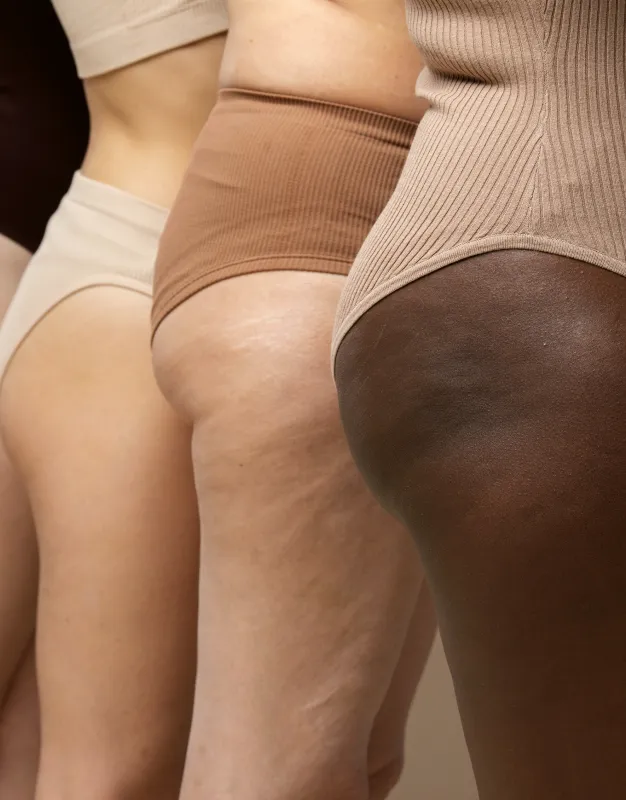
What Results Can Leg Liposuction in Berlin Achieve?
Liposuction can restore a slimmer, firmer-looking shape to the legs or create this contour for the first time. Initial changes are often visible within the first few days after surgery. As swelling and bruising subside, the appearance continues to improve over the following weeks.
The final leg contour is usually apparent after eight to ten weeks, although in individual cases it can take up to six months. For many of our patients, the benefits of leg liposuction extend beyond the physical change. Feeling more comfortable with their proportions can also improve self-confidence and quality of life.
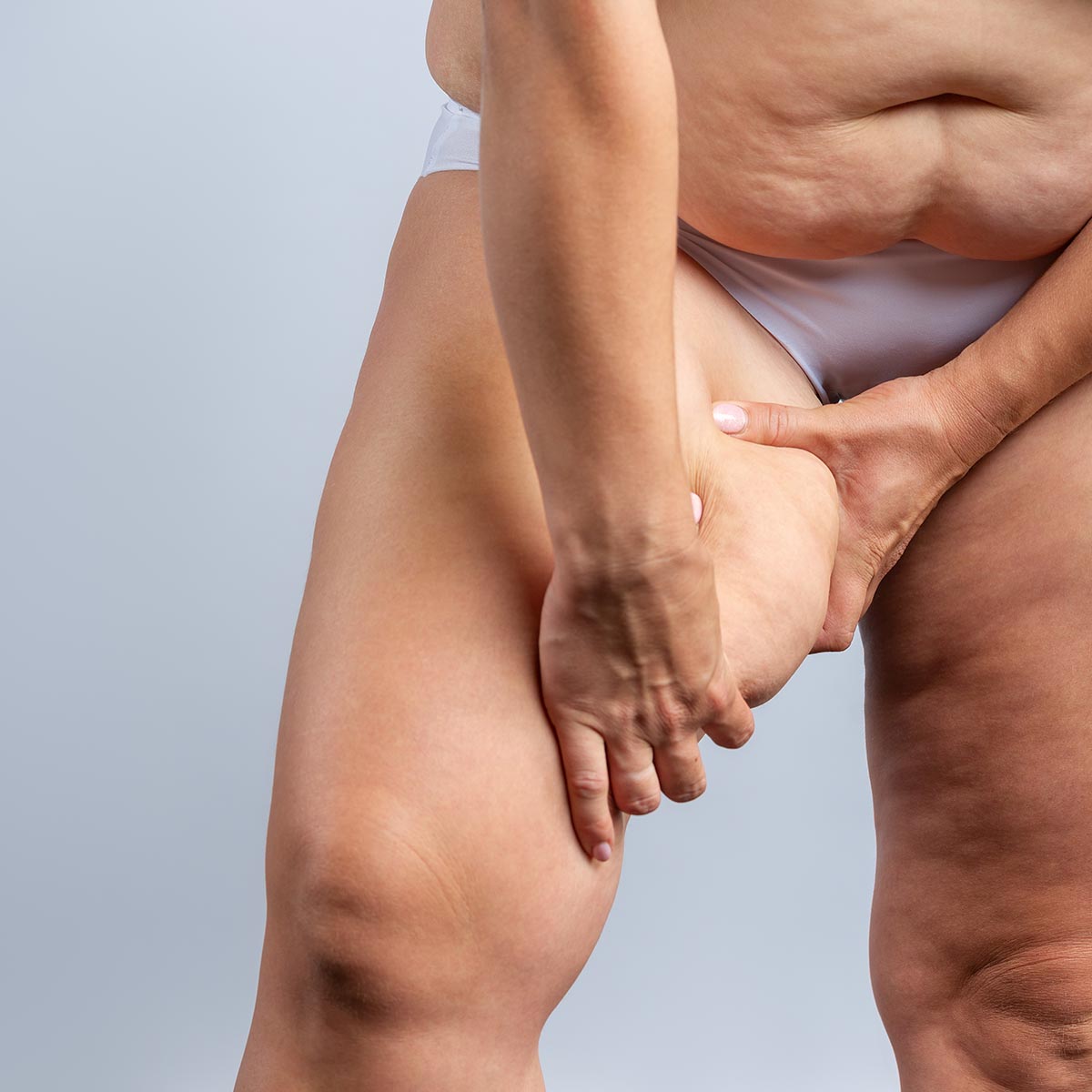
Where Are Incisions Required?
The liposuction cannulas are guided to the fatty deposits through fine skin incisions. Only a small number of incisions are required for each treatment area. These do not always need to be sutured. If stitches are required, they are usually removed approximately one week after liposuction. Fine scars may form at the access points, but these generally fade and become barely noticeable after several weeks or months.
Depending on the technique used, a sterile saline solution may also be injected through additional access points to help separate the fat cells from the connective tissue of the legs.
Different Techniques for Leg Liposuction
Several techniques are available to the plastic and aesthetic surgeon for leg liposuction:
- Power-assisted liposuction (vibration-assisted)
- Water-assisted liposuction (WAL)
- Ultrasound- and laser-assisted techniques
Power-assisted liposuction is the most frequently used method. It uses vibration and is now commonly combined with tumescent anaesthesia. In this technique, the suction cannula is connected to an electric motor that produces approximately 5,000 controlled oscillations per minute.
Before treatment begins, a saline solution containing a local anaesthetic is injected beneath the skin in the treatment area. This solution helps separate the fat cells from the surrounding connective tissue. The compact fatty tissue is then removed by liposuction, reducing the subcutaneous fat layer.
In water-assisted liposuction, a pulsating, fan-shaped jet of pressurised water separates the fat deposits from the surrounding tissue as they are simultaneously removed. With ultrasound-assisted liposuction, the fatty tissue is liquefied before being suctioned out. Laser lipolysis is mainly used for smaller fat deposits or as an adjunct to conventional liposuction. Rather than being suctioned out, the fatty tissue is broken down using high-energy laser light.
Leg Liposuction in Berlin – Detailed Advice and Personalised Aftercare
The first step towards leg liposuction in Berlin is a detailed consultation at our specialist practice in plastic and aesthetic surgery. This gives you the opportunity to discuss your wishes and expectations. We will also explain the options, limitations and risks of leg liposuction.
The consultation is followed by a thorough medical history and physical examination. On this basis, we select the most suitable liposuction technique for you and prepare a personalised treatment plan. Throughout the healing process, we remain available to provide individual advice and any medical support you may require.
At the Dottore Caletti specialist practice, we use all relevant liposuction techniques in accordance with current standards, selecting the approach on the basis of each patient’s individual circumstances.
Frequently Asked Questions
When Is General Anaesthesia Preferable for Leg Liposuction?
General anaesthesia is not usually medically necessary for leg liposuction, although it can be arranged if preferred and clinically appropriate. Local anaesthesia provides effective pain control during the procedure. A sedative can also help you relax or place you under twilight sedation.
Is Outpatient or Inpatient Liposuction Better?
Inpatient leg liposuction may be appropriate where particular individual risks are present. These may include pre-existing conditions or a more extensive procedure approaching the maximum volume considered medically appropriate for a single session. In most cases, outpatient treatment does not involve greater risk. You will remain under observation at my practice for a period after the procedure.
How Long-Lasting Are the Results of Leg Liposuction?
The results can be long-lasting. Fat cells removed from the treated areas do not regenerate, although remaining fat cells can still enlarge if you gain weight. Maintaining a stable body weight therefore helps preserve the new contours.
Can Leg Liposuction Reduce Excess Weight?
Although the removed fat deposits no longer contribute to your body weight, liposuction does not substantially change your overall weight status. It is a body-contouring procedure rather than a treatment for obesity or a method of weight loss. Significant weight gain or loss afterwards can adversely affect your proportions. Ideally, you should have reached your preferred weight and maintained it for some time before undergoing liposuction.
What Are the Contraindications to Leg Liposuction?
Contraindications to leg liposuction include certain pre-existing conditions, the essential use of particular medications and severe obesity. Any suitable alternatives or possible adjustments will be discussed during your personalised consultation at my practice.
Where liposuction is being considered for lipoedema, it may be advisable to undergo treatment before pregnancy, as the abnormal fat deposits can become more pronounced during this time.