Breast Augmentation in Berlin
For many women, full, beautifully shaped breasts are part of their ideal body image. Yet breasts are as individual as the women themselves, and not every woman is happy with her natural breast shape.
Some women feel that their breasts are too small in proportion to the rest of their body, whilst others find that pregnancy and breastfeeding have altered their breast shape. Over time, the skin also loses elasticity, which can reduce breast volume and lead to sagging.
These and other concerns can affect how a woman feels about her body, sometimes causing long-term emotional distress and having a significant impact on quality of life.
Breast augmentation, medically known as augmentation mammoplasty, can increase volume and improve breast shape, with long-lasting results. For many patients, breast augmentation can restore confidence and improve quality of life.
Are you considering breast augmentation to increase or restore breast volume? At my practice in Berlin, I provide personalised advice and professional treatment tailored to your anatomy and individual aims. I would be pleased to welcome you for a breast augmentation consultation in Berlin.
- Procedure time
- Approx. 1 hour (implants) / approx. 2 hours (lipofilling)
- Anaesthesia
- General anaesthesia
- Hospital stay
- 1 night (implants) / may be outpatient (lipofilling)
- Presentable in public
- After approx. 1 week
- Return to work
- After approx. 2–3 weeks
- Exercise
- After approx. 6 weeks (implants) / after approx. 2–3 weeks (lipofilling)
- Initial wound healing
- Approx. 1 week
- Cost
- From €6,000
- Aftercare
- A specialist support bra and, if required, a breast band worn for several weeks, plus regular follow-up examinations; for implants: suture removal and scar care
Breast augmentation begins with careful preparation, including one or more preliminary consultations. Blood-thinning medication must be stopped one week before surgery. This includes not only anticoagulants used to prevent thrombosis but also other medicines with a blood-thinning effect, such as aspirin. If possible, you should also stop smoking, or reduce it to an absolute minimum, for 14 days before surgery to avoid impairing wound healing. Please arrive fasting for your operation in Berlin. The precise course of breast augmentation depends on the surgical method selected. Implant surgery is generally performed under general anaesthesia. Once the implants have been inserted, the incisions are closed with sutures. These are removed once the initial wound healing is complete, usually around ten days after surgery. You will remain in the clinic overnight. Lipofilling, by contrast, does not necessarily require general anaesthesia and may be performed under local anaesthesia with twilight sedation. The most suitable anaesthetic option will be agreed with you in advance. As described, the operation consists of two stages: harvesting your own fat and using it to augment the breasts. The procedure may be performed on an outpatient basis. If you prefer an inpatient stay, one night in the clinic is generally sufficient. Breast augmentation with implants takes approximately one hour. Breast augmentation with your own fat takes longer because the fat cells must first be harvested and processed; you should allow around two to three hours.
Breast augmentation is generally considered a low-risk procedure. Nevertheless, as with any operation, risks and complications cannot be ruled out entirely. In rare cases, bleeding or pressure-related injury to soft tissue and nerves may occur during surgery. Other risks include postoperative bleeding, delayed wound healing and adverse reactions to medication. As an experienced specialist in plastic and aesthetic surgery, Dottore Caletti uses appropriate techniques and equipment to minimise these risks. You can also make an important contribution by following all aftercare instructions carefully. One possible complication following implant placement is capsular contracture. The body naturally forms a layer of connective tissue around the implant; if this capsule tightens and distorts the breast, further surgery may be required.
During the first few days after surgery, you may experience tightness or discomfort in the breast area, which can usually be managed effectively with pain relief. Following breast augmentation with implants, a drain is inserted and is generally removed the next day. After a few days, the dressing is replaced with a compression bra, which must be worn for at least four weeks. This helps the implants settle into and remain in their intended position. Additional compression from above using a breast band, known as a Stuttgart belt, may support the effect of the bra. Whether this is necessary is decided on an individual basis. Push-up bras should not be worn during the first three months after surgery. Ideally, you should sleep on your back for the first few weeks. Once the initial wound healing is complete, gentle pressure massage and regular application of a scar ointment or gel can support the healing process. Waterproof dressings generally allow you to shower 24 hours after surgery. You should avoid saunas and baths for at least two months. Scars should be protected from direct sunlight for around six months to reduce the risk of permanent pigmentation. The breasts can usually tolerate greater physical strain from the eighth week after augmentation, and most patients may gradually resume exercise at this stage. The same basic aftercare principles apply to breast augmentation with lipofilling, although recovery is generally considerably faster. Most patients experience very little pain, with early symptoms usually limited to mild tightness similar to muscular soreness. Aftercare may also need to include the areas from which fat was harvested. With either surgical method, you will attend several individually scheduled follow-up appointments at my Berlin practice during the first few weeks.
The Breast Augmentation Process
Beforehand: Your Personal Consultation
Before any treatment, I conduct a detailed personal consultation to understand your wishes and expectations. I will explain which breast augmentation options may be suitable for you, how the procedure is performed, and the potential benefits and risks. There will be ample opportunity to ask questions. Together, we will develop a personalised surgical plan tailored to your anatomy and aims.
Before Surgery: Preparation
Once you have decided to undergo breast augmentation, careful preparation can support both the procedure and subsequent wound healing. If you take blood-thinning medication, you should stop it at least one week before surgery. This includes not only anticoagulants used to prevent thrombosis but also other medicines with a blood-thinning effect, such as aspirin. Please do not stop prescribed medication without medical advice. If you are unsure whether any medicine you take affects blood clotting, please contact the practice for guidance.
Please note: If you smoke, you should stop or reduce smoking to an absolute minimum at least 14 days before surgery, as smoking increases the risk of delayed wound healing.
The Day of Surgery: What to Expect
Please arrive fasting for your operation. The precise process varies slightly depending on the surgical method selected:
Breast Augmentation with Implants
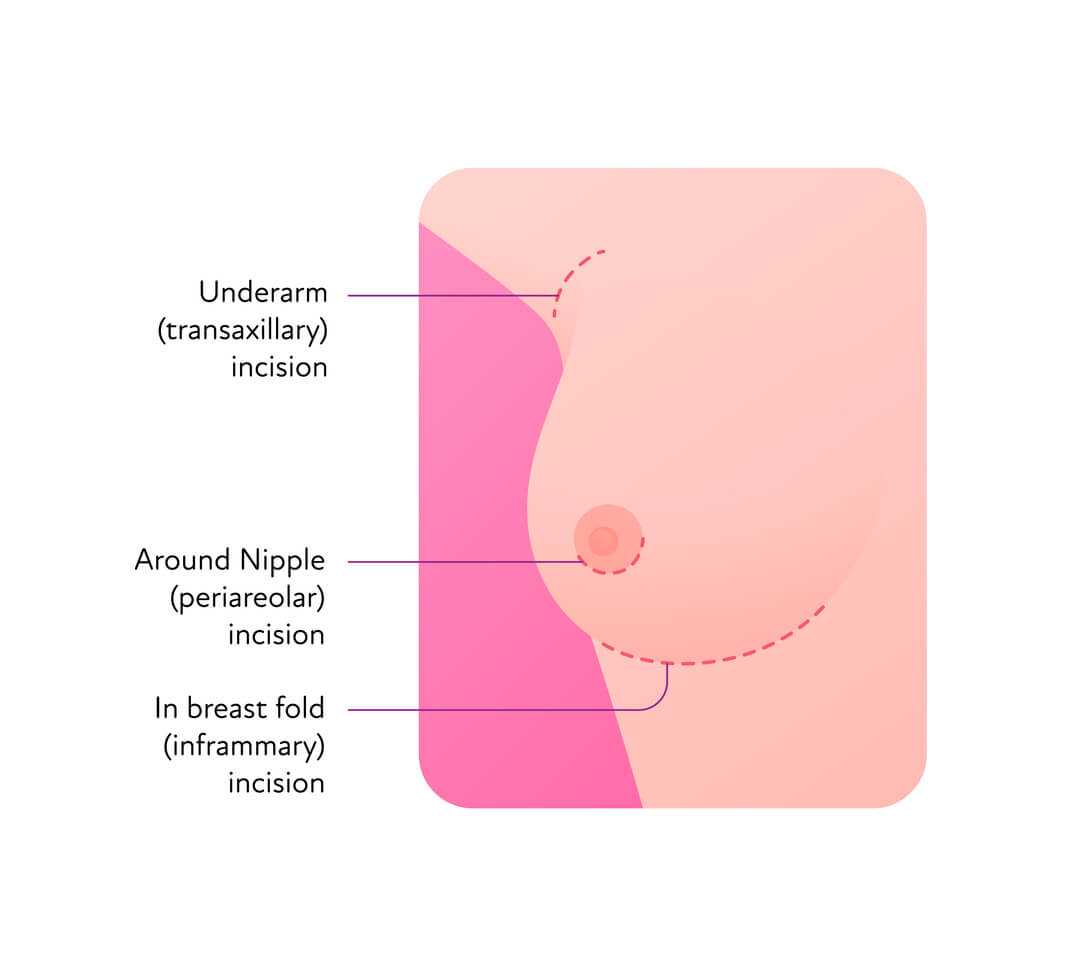
Breast implants are inserted through incisions, most commonly placed in the crease beneath the breast. This approach provides the surgeon with good access and has a low risk of complications. The incision is usually only 4–5 centimetres long, and the resulting scar is generally well concealed within the breast crease.
An alternative is an incision in the armpit, which avoids scars on the breasts themselves. In theory, implants can also be inserted through an incision around the areola, although many women prefer not to use this approach for aesthetic or personal reasons. It can also injure the glandular tissue and cause internal scarring. As the risk of infection is higher with this technique, the approach is rarely selected.
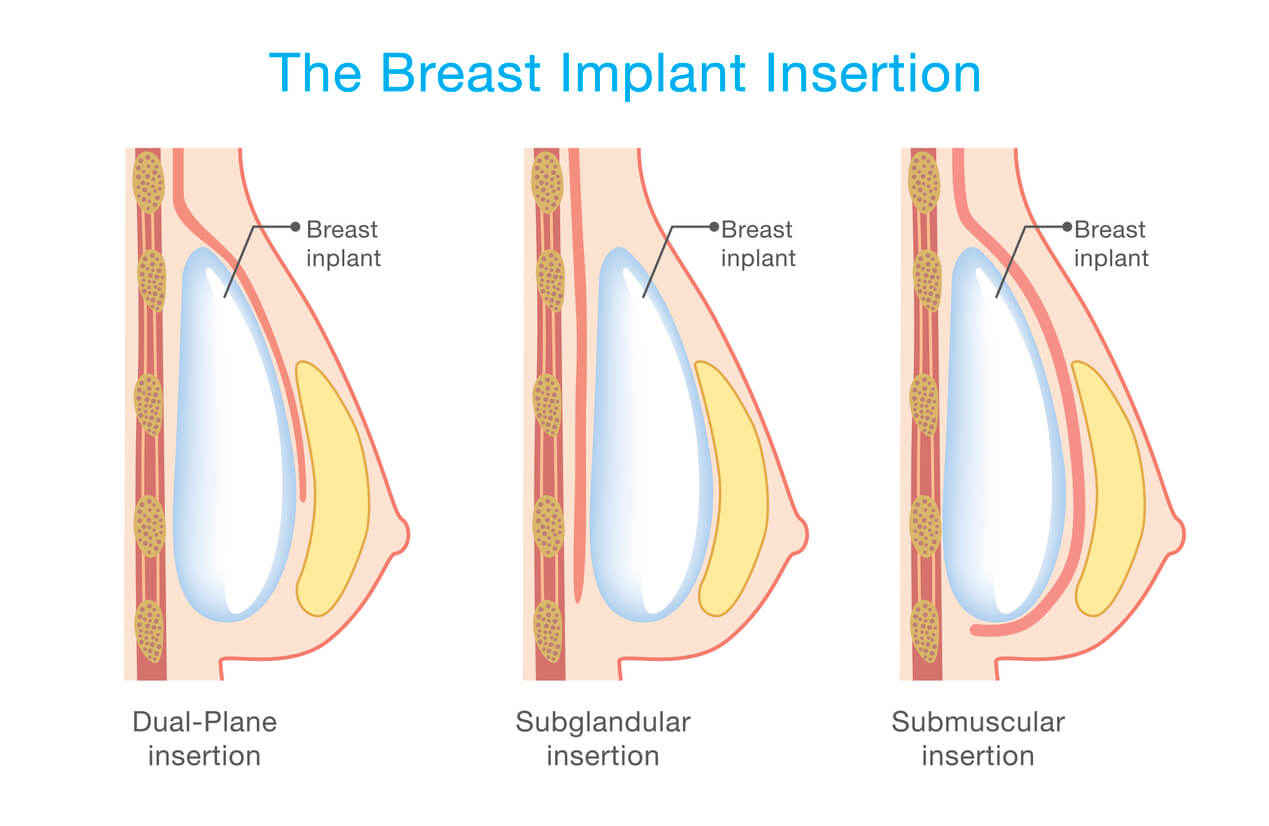
Implant Placement: Above or Below the Chest Muscle
Breast implants may be placed either above or below the chest muscle. In many cases, placement below the muscle is preferable because the implant is less likely to be palpable and the risk of capsular contracture may be lower. Submuscular placement can also facilitate subsequent breast screening. Placement above the muscle is technically more straightforward and generally causes less postoperative discomfort, but it is most suitable for women with enough breast tissue to cover the implants so that they are neither visible nor readily palpable.
Once the breast implants have been placed in the planned position, the surgical incisions are closed carefully with sutures.
The procedure is generally performed under general anaesthesia and takes approximately one hour. After surgery, you will remain in the clinic overnight for observation.
Breast Augmentation with Your Own Fat (Lipofilling)
Breast augmentation with your own fat is performed in two stages. First, fat is harvested from suitable areas of the body, commonly the abdomen, hips, buttocks or thighs. Before the cells can be used, the harvested fat must be processed under sterile conditions. In the second stage, selected high-quality fat containing regenerative cells is injected into the previously defined areas of the breasts. Breast augmentation with your own fat can be combined with other procedures, such as abdominal or leg liposuction.
Precise injection can both increase breast volume and refine breast shape. This technique requires no conventional surgical incisions; only very small access points may be needed for the cannulas. These are placed at the fat-harvesting sites and in the breast crease or along the edge of the areola.
Because your own fat cells must first be harvested and processed, lipofilling takes somewhat longer than implant surgery, with a procedure time of at least two hours.
Please note: The procedure may be performed on an outpatient basis and does not necessarily require general anaesthesia. Depending on your circumstances, it may be carried out under local anaesthesia combined with twilight sedation. An inpatient stay is also possible, in which case one night in the clinic is generally sufficient.
Risks
When performed routinely by an experienced specialist, surgical breast augmentation is generally considered a low-risk procedure. It is nevertheless an operation and, like any surgery, carries certain general risks. These include bleeding or postoperative bleeding, pressure-related injury to soft tissue and nerves, and delayed wound healing.
Dottore Caletti’s specialist training and experience help to minimise the risk of complications. You can also reduce the risk of wound-healing problems by following all aftercare instructions consistently.
The Risk of Capsular Contracture
Capsular contracture is a specific complication of breast implants and the most common implant-related complication. The body recognises the implant as foreign material and naturally forms a layer of connective tissue around it. In some cases, this capsule tightens significantly and places pressure on the implant, potentially causing pain and/or distortion of the breast. Revision breast surgery may then be required, involving breast implant replacement or removal.
Aftercare
Following implant placement, a drain is inserted and is generally removed the next day. Waterproof dressings usually allow you to shower 24 hours after surgery.
During the first few days after surgery, you may experience tightness or pain in the breast area, which can generally be managed effectively with standard pain relief. Following breast augmentation with implants, the sutures are removed once initial wound healing is complete. For most patients, this is after approximately ten days. Gentle pressure massage and regular application of a scar ointment or gel can then support the continuing healing process.
Dressings & Support Bra
After a few days, the dressing is replaced with a specialist compression bra, which must be worn for at least four weeks. This helps the implants settle into and remain in their intended position. In rare cases, additional compression from above using a breast band, known as a Stuttgart belt, may be advisable to support the effect of the bra. You should not wear push-up bras during the first three months after surgery.
Ideally, you should sleep on your back during the first few weeks to avoid placing unnecessary pressure on the breasts. After around eight weeks, the breasts can generally tolerate greater physical strain, and you may gradually resume light exercise. You should still avoid baths and saunas for the first two months and protect the scars from direct sunlight for around six months to reduce the risk of permanent pigmentation.
Aftercare Following Lipofilling
The same basic aftercare guidance applies to breast augmentation with your own fat, although recovery is generally considerably faster. Remember that aftercare must include not only the breasts but also the areas from which fat was harvested. As with all patients, you will receive a detailed, personalised aftercare plan that includes several follow-up examinations with Dottore Caletti.
Ideally, you should sleep on your back during the first few weeks to avoid placing unnecessary pressure on the breasts. After around eight weeks, the breasts can generally tolerate greater physical strain, and you may gradually resume light exercise. You should still avoid baths and saunas for the first two months and protect the scars from direct sunlight for around six months to reduce the risk of permanent pigmentation.
Reasons for Breast Augmentation
Breast augmentation is one of the most frequently performed aesthetic operations in Germany. Women choose breast surgery for many different reasons, but often feel that their breasts are too small in relation to the rest of their body. Others would like to restore breast volume following pregnancy or significant weight loss.
There may also be medical indications for breast augmentation. These include breast asymmetry, congenital or acquired breast deformities, and breast reconstruction following cancer surgery.
Important: Breast augmentation may generally be considered by adult women aged 18 or over. Suitability does not depend on age alone or on the breast’s starting appearance, but must always be assessed individually.
What Results Can Breast Augmentation Achieve?
Breast augmentation can create a noticeably fuller breast shape and increase breast size. The most suitable size depends on factors including your build, existing breast tissue and personal preferences, all of which must be considered when selecting implants. In some cases, it is advisable to combine breast augmentation with a breast lift to achieve a balanced result. Every aspect of the procedure is tailored to your body and individual aims.
Regardless of the desired shape and size, breast surgery can provide a long-lasting result. Modern implants are made from high-quality materials and may remain in place for many decades or potentially for life. Removal or replacement may nevertheless become necessary if complications occur. Results following breast augmentation with your own fat can also be long-lasting, although some of the transferred fat is naturally reabsorbed and the retained volume may change with weight fluctuations and ageing.
Implants or Your Own Fat: Which Method Is Better?
The volume required for breast augmentation can be achieved using implants or your own fat cells through lipofilling. Both methods offer specific advantages that should be considered when choosing the most suitable approach.
Advantages of Lipofilling
Lipofilling requires no conventional surgical incisions because the fat is injected through a cannula. This allows the breast shape to be refined precisely and leaves only very small access marks rather than conventional scars. However, the increase in volume is generally limited to a maximum of around one cup size. Fat transfer may be combined with leg liposuction or liposuction of another area, such as the abdomen.
Advantages of Implants
Implants are not subject to the same approximate one-cup-size limitation and can therefore achieve a greater increase in volume. Implant surgery also does not depend on the availability of sufficient fat deposits, making it suitable for very slim women and for patients with significant breast sagging, where it may be combined with a breast lift.
The Ideal Method Depends on the Individual
Neither method is universally better; the right choice always depends on the individual patient. At my plastic surgery practice in Berlin, I will explain the breast augmentation options in detail and work with you to determine which approach is most likely to achieve a balanced result in your case.
Frequently Asked Questions
Which Implants Are Available for Breast Augmentation?
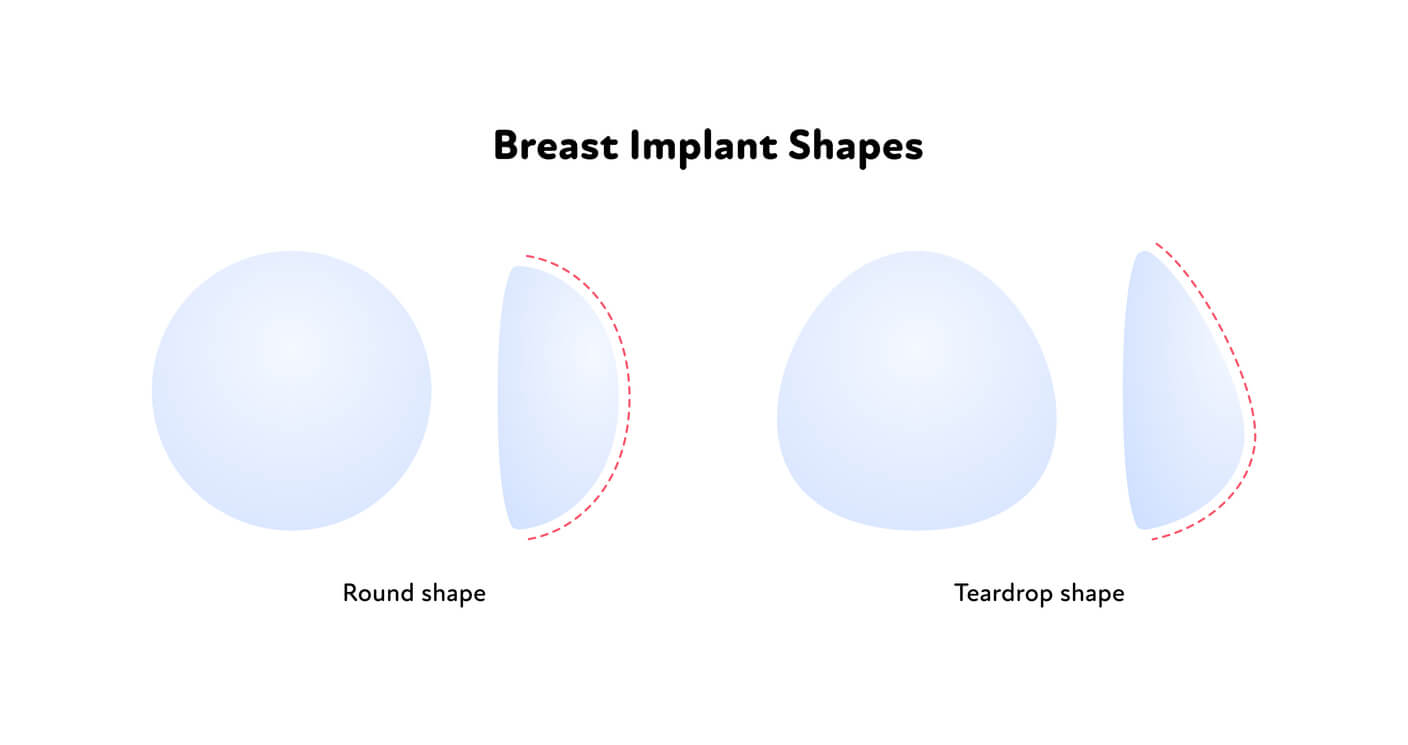
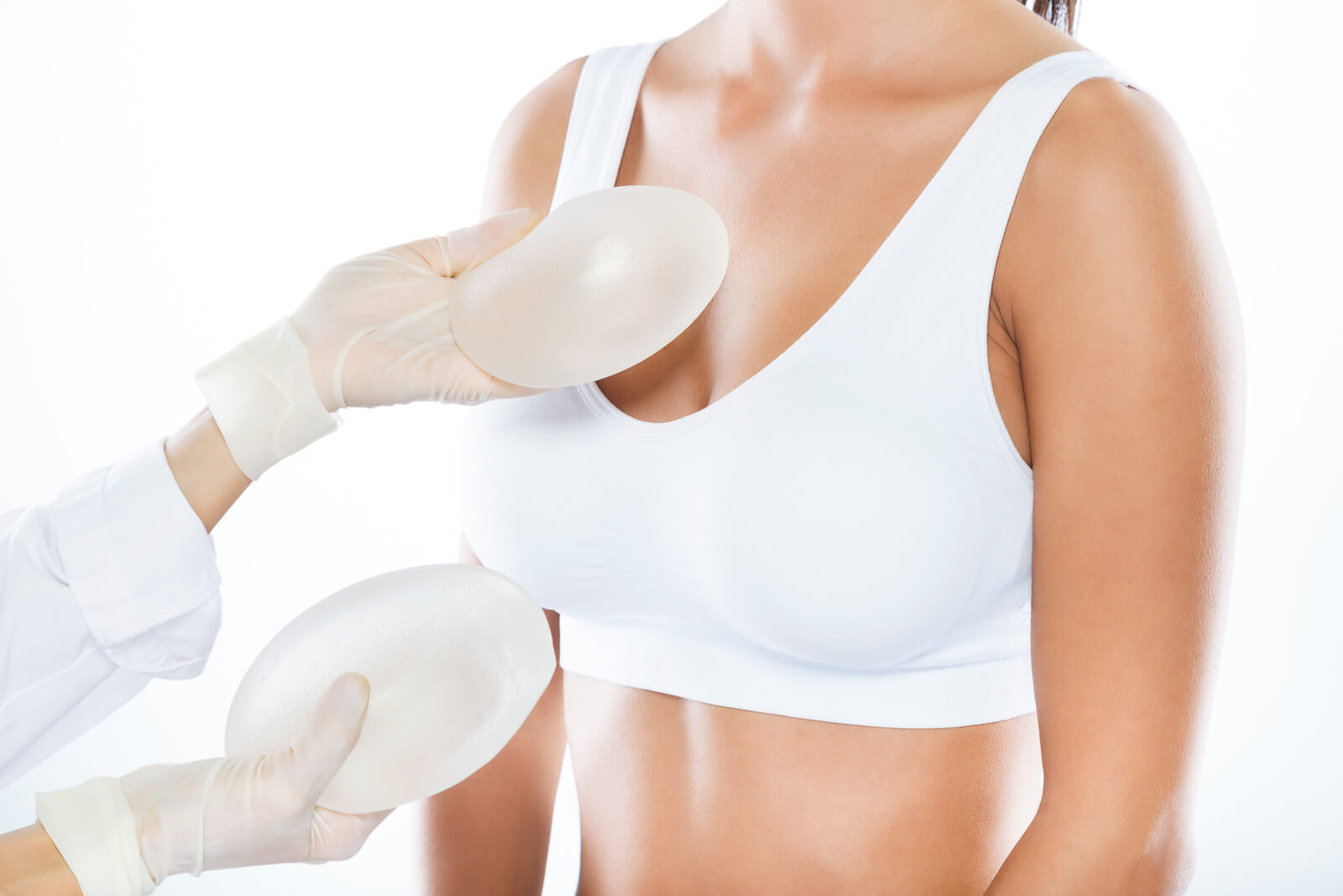
Implants are available in various shapes, ranging from round to teardrop-shaped, or anatomical. The most suitable option depends on the anatomy and contour of your breasts as well as the result you would like to achieve.
Most breast implants have a silicone shell and cohesive silicone gel filling, designed to retain its form even if the implant shell is damaged. An alternative is an implant filled with sterile saline solution, which can be absorbed by the body if the implant ruptures.
Do Implants Need to Be Replaced After a Certain Period?
In the past, implants were often replaced after around ten years to prevent potential wear such as ruptures. Modern implants are of a much higher quality, and routine replacement after a set period is no longer generally required. Many can remain in place for decades or potentially for life, provided there are no clinical reasons for removal or replacement.
Please note: After breast implant surgery, every patient receives an implant card recording the date of the procedure and the type of implants used.
Removal or replacement may be necessary if a medical issue arises, such as capsular contracture, or if you later wish to change the size or shape of your breasts. It is important to have your implants checked regularly by ultrasound so that potential damage or other concerns can be identified and addressed at an early stage.
What Sizes Are Breast Implants?
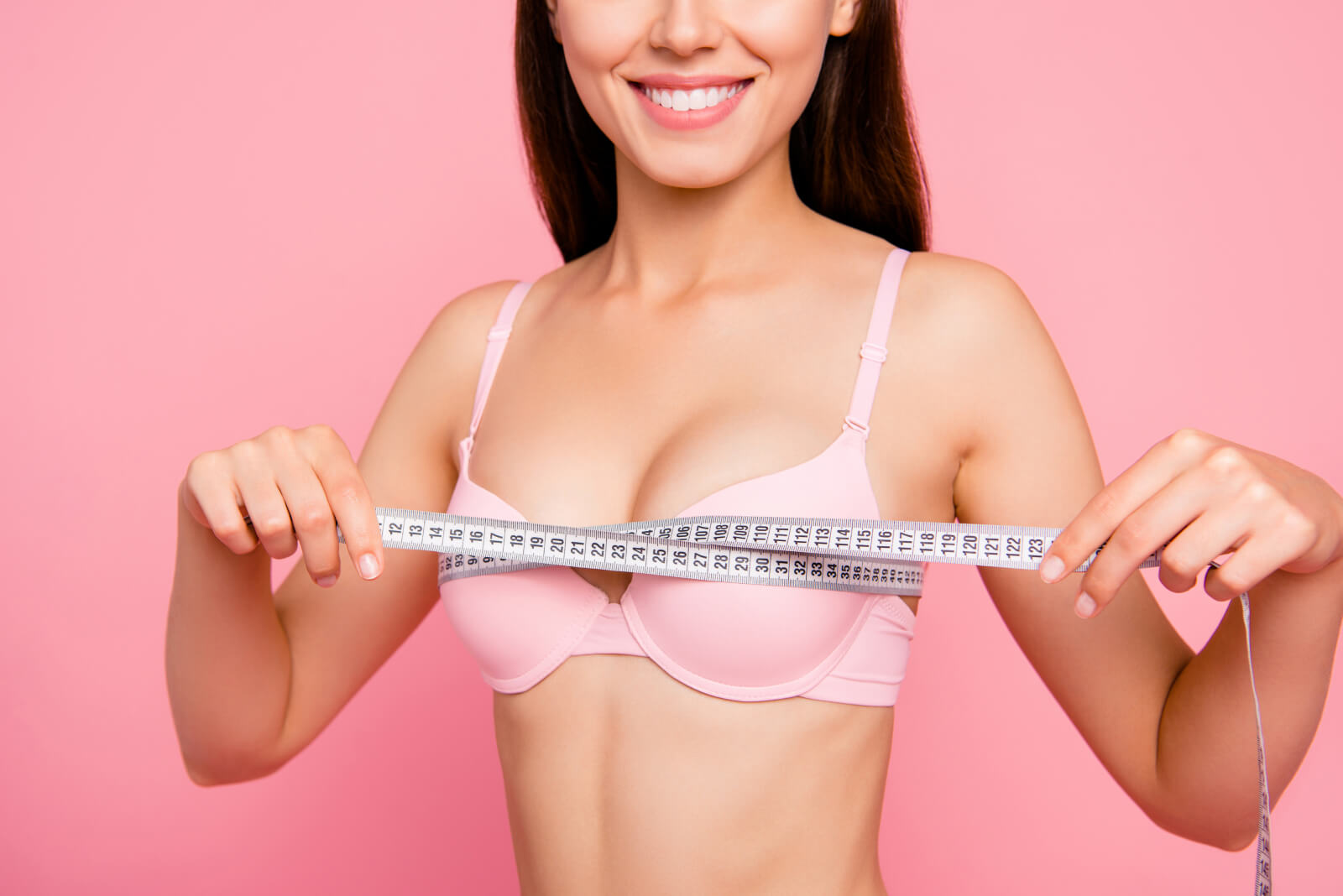
Breast implant size is determined by filling volume, which ranges from approximately 80 to 750 millilitres. As a rough guide, an increase of one cup size may require a volume of around 200 ml, although this varies according to the individual anatomy.
Breast implants differ not only in volume but also in profile, which affects the resulting breast shape. Implants with greater central projection create a rounder appearance, whilst teardrop-shaped implants are narrower at the top and fuller below to resemble the natural breast contour. For this reason, teardrop-shaped implants are often referred to as anatomical implants.
How Large Should My Implants Be?
There is no single answer, as the optimal implant size depends on several factors, including your individual build, the characteristics of your breast tissue and your personal preferences. Together, we will determine the most appropriate size, with particular emphasis on achieving a natural-looking result that complements your overall body proportions.
Keeping breast augmentation natural
Disproportionately large breasts can look unnatural and may also pose health risks. Implants that are too large can cause pain, restrict movement and contribute to postural problems. Your individual anatomy must therefore be carefully considered when selecting the size of your implants.
Who is suitable for breast augmentation with fat transfer?
Breast augmentation with fat transfer is particularly suitable for women who want a very natural-looking result and/or prefer not to have a foreign material placed in their body. Lipofilling may also be a suitable alternative to breast implants for patients who cannot tolerate silicone.
The liposuction performed to harvest the fat can also reduce unwanted fat deposits on the legs or abdomen (leg liposuction, abdominal liposuction).
However, lipofilling can generally increase breast volume by no more than approximately one cup size per procedure. The treatment may be repeated once or several times to achieve the desired increase in volume.
How long will I need to stay in hospital after breast augmentation?
Following breast surgery, you should remain in hospital overnight for observation. If breast augmentation is combined with a breast lift, a longer stay may be necessary. I will explain what applies in your individual case during your personal consultation.
Can I lift heavy objects after breast augmentation?
No. Please avoid lifting heavy objects during the first six weeks after breast surgery. In this context, anything weighing more than three kilograms should be considered heavy.
When can I exercise again after breast augmentation?
You should avoid exercise and other strenuous physical activity for at least six weeks after breast augmentation. Allow yourself two to three weeks of rest and give your body time to recover. Following lipofilling, you may then begin light activities and gradually increase them. If you have had breast implants, however, you should wait at least six weeks before returning to exercise.
How long does recovery take after breast augmentation?
Immediately after surgery, the breasts are usually very sensitive and may feel tight and swollen. It takes time for the swelling to subside, the wounds to heal and the scars to mature, and recovery varies considerably from one patient to another. In my experience, the healing process is generally complete after approximately six months.
When will I see the final results of breast augmentation?
The change in breast size and shape is already visible immediately after surgery. However, the post-operative swelling must subside and the tissues need time to heal. The final result can usually be assessed after approximately six months.
Does breast augmentation affect the ability to breastfeed?
This depends on the surgical technique and the location of the incision. Incisions placed in the inframammary fold or armpit generally do not affect the ability to breastfeed. An incision around the areola may, however, impair breastfeeding. For this reason, this approach should preferably be considered only after you have completed your family and finished breastfeeding.
Is there a minimum age for breast augmentation?
Aesthetic reasons:
The minimum age depends on the reason for surgery. In Germany, anyone seeking breast augmentation for aesthetic reasons must be at least 18 years old. It is also important for physical and breast development to be complete, which is usually the case by around the age of 20.
Medical necessity
If breast augmentation is medically necessary, surgery may be possible at a younger age. Whether this is appropriate or advisable must be assessed individually. I would be pleased to advise you at my practice for plastic surgery in Berlin.
How much does breast augmentation cost?
The cost of breast augmentation starts at approximately €6,000. The final price varies depending on the surgeon, the chosen technique, the implant model and the complexity of the operation. Following a thorough examination and detailed consultation, I will provide you with a personalised quotation for your breast augmentation.
Does health insurance cover the cost of breast augmentation?
Health insurance generally covers breast augmentation only when the treatment is medically necessary. Breast augmentation performed solely for aesthetic reasons is not considered medically necessary, so you will need to cover the costs yourself.
If surgery is required for medical reasons, health insurance may cover some or all of the cost. Examples include the surgical treatment of congenital breast abnormalities and breast reconstruction following a serious injury or illness, such as cancer, that has resulted in the loss of breast tissue.
Is a medical report required for health insurance to cover breast augmentation?
Whether health insurance covers breast reconstruction in these rare cases depends on the individual insurer and policy. A medical report from a specialist is usually required to confirm the medical necessity of the procedure in each individual case. Dottore Caletti will be pleased to advise you on the available options.
When is breast augmentation not advisable?
Certain circumstances may make breast augmentation inadvisable. These include particular pre-existing conditions or medications that cannot be discontinued. Breast augmentation cannot be performed during pregnancy or whilst breastfeeding. As a general principle, surgery should not proceed if a patient’s health significantly increases the risks associated with general anaesthesia or the operation itself.
Your reasons for considering breast augmentation, which I will discuss with you during your personal consultation, are equally important. If the motivation does not come from you but is primarily the result of pressure from others, breast augmentation is unlikely to be the right course of action. The same applies if your wishes or expectations of surgery are unrealistic.