
Upper Arm Lift Berlin
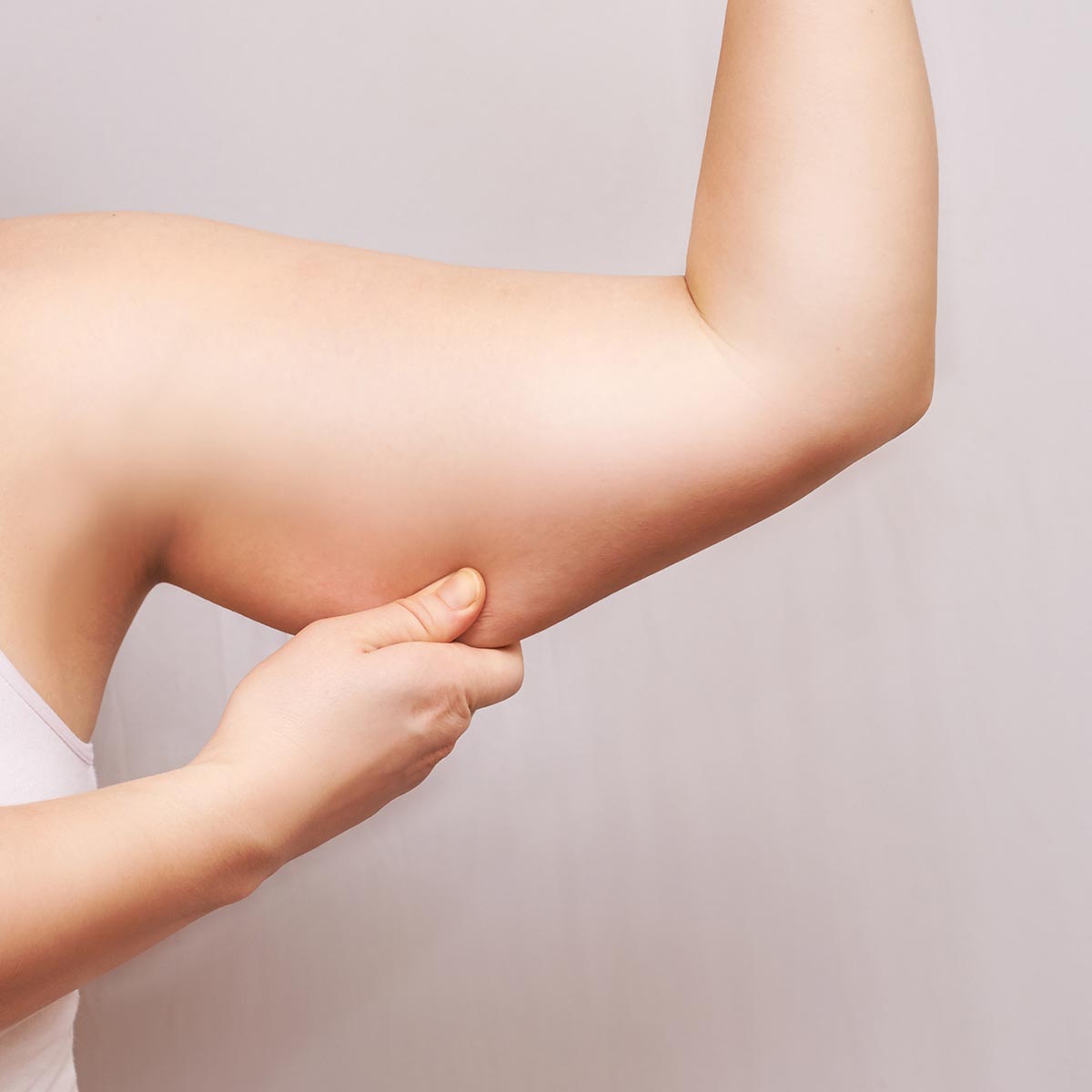
Ageing and significant fluctuations in weight can reduce the elasticity of the skin and connective tissue, leading to sagging upper arms. The skin becomes looser and may develop folds. Exercise and muscle-building can improve definition, but they cannot reliably reshape excess skin, particularly around the upper arms. Nevertheless, many people would like their arms to appear firmer and more defined.
An upper arm lift in Berlin uses carefully selected surgical techniques to reshape loose upper arms and achieve a long-lasting improvement. The aim is to create slimmer, firmer-looking arms that complement the contours of the body whilst preserving a natural shape. For many patients, the procedure improves confidence in their appearance and helps them feel more comfortable in their body.
Upper arm lifts are well-established procedures in plastic and aesthetic surgery. At my specialist practice in Berlin, I select the surgical technique according to your anatomy and individual requirements. My aim is to combine medical expertise with a refined aesthetic approach, helping you feel comfortable and confident in your body again.
At my specialist practice for plastic and aesthetic surgery, I offer breast augmentation using implants or the technique known as lipofilling, in which the breasts are enhanced with the patient’s own fat. I tailor every procedure to your individual anatomy and personal wishes. My priority is to combine medical and aesthetic expertise to help you develop renewed confidence in your body.
- Procedure duration
- Approximately two hours
- Anaesthesia
- Local or general anaesthesia, depending on the extent of the procedure
- Hospital stay
- Day surgery or a one-night hospital stay, depending on the extent of the procedure
- Return to social activities
- After one week
- Return to work
- After one week; two to four weeks for work involving greater strain on the arms
- Exercise
- After four weeks
- Wound healing
- Two weeks
- Cost
- From €3,500, depending on the extent of the procedure and surgical technique
- Aftercare
- Compression garments for four to six weeks, lymphatic drainage from one week after surgery and suture removal after two weeks
Before surgery, I carefully mark the planned incisions on your upper arms, having discussed their position with you during the initial consultation. You will then receive either local or general anaesthesia. Local anaesthesia is generally suitable only for a limited procedure; for more extensive or longer surgery, general anaesthesia is usually more appropriate and comfortable. An upper arm lift at my Berlin practice requires meticulous plastic-surgical technique and is performed using a fine scalpel. I remove the excess tissue and reshape the arm to create a more defined contour. If necessary, drains are inserted to allow wound fluid to escape. The incisions are then closed with surgical sutures. The duration of surgery depends on the individual treatment required, although an upper arm lift takes approximately two hours on average.
An upper arm lift is a generally low-risk procedure when performed with appropriate care and surgical expertise. However, no operation is entirely without risk. Possible complications include bleeding, adverse reactions to medication, delayed wound healing and infection. You can also help reduce risks during surgery and recovery. I recommend discussing painkillers, sleeping tablets and blood-thinning medication with me in advance; where medically appropriate, these may need to be stopped at least one week before the procedure. During this period, you should also minimise alcohol and nicotine consumption or, ideally, avoid both altogether. Swelling, bruising and minor bleeding can occur during the first few days after surgery and are usually part of the normal recovery process. I will prescribe suitable pain relief for the generally moderate wound discomfort. If you experience more severe symptoms, however, you should contact the practice immediately.
After surgery, a pressure dressing is applied to the upper arms. You will also need to wear compression garments for four to six weeks. These support the treated tissue as the new arm contour settles and help prevent movement from placing excessive tension on the sutures. During the first few days, cooling the area may help ease discomfort. Any drains are usually removed the following day, and you should avoid showering until then. Sutures are removed after approximately two weeks. As surgery temporarily affects lymphatic drainage in the upper arms, lymphatic drainage treatment should begin after one week to help prevent fluid congestion. Once the sutures have been removed, regular specialist scar care is recommended over an extended period. I will explain the appropriate techniques and products during your consultation. Physical rest is important during the first two weeks after an upper arm lift, and you must avoid heavy lifting or carrying. Most patients can return to work and social activities after around two weeks, with exercise usually possible after four weeks. Activities that place substantial strain on the arms may require a longer recovery period. You should also protect the scars from direct sunlight and avoid sunbeds to reduce the risk of pigmentation changes.
An Upper Arm Lift in Berlin for Greater Body Confidence and Quality of Life
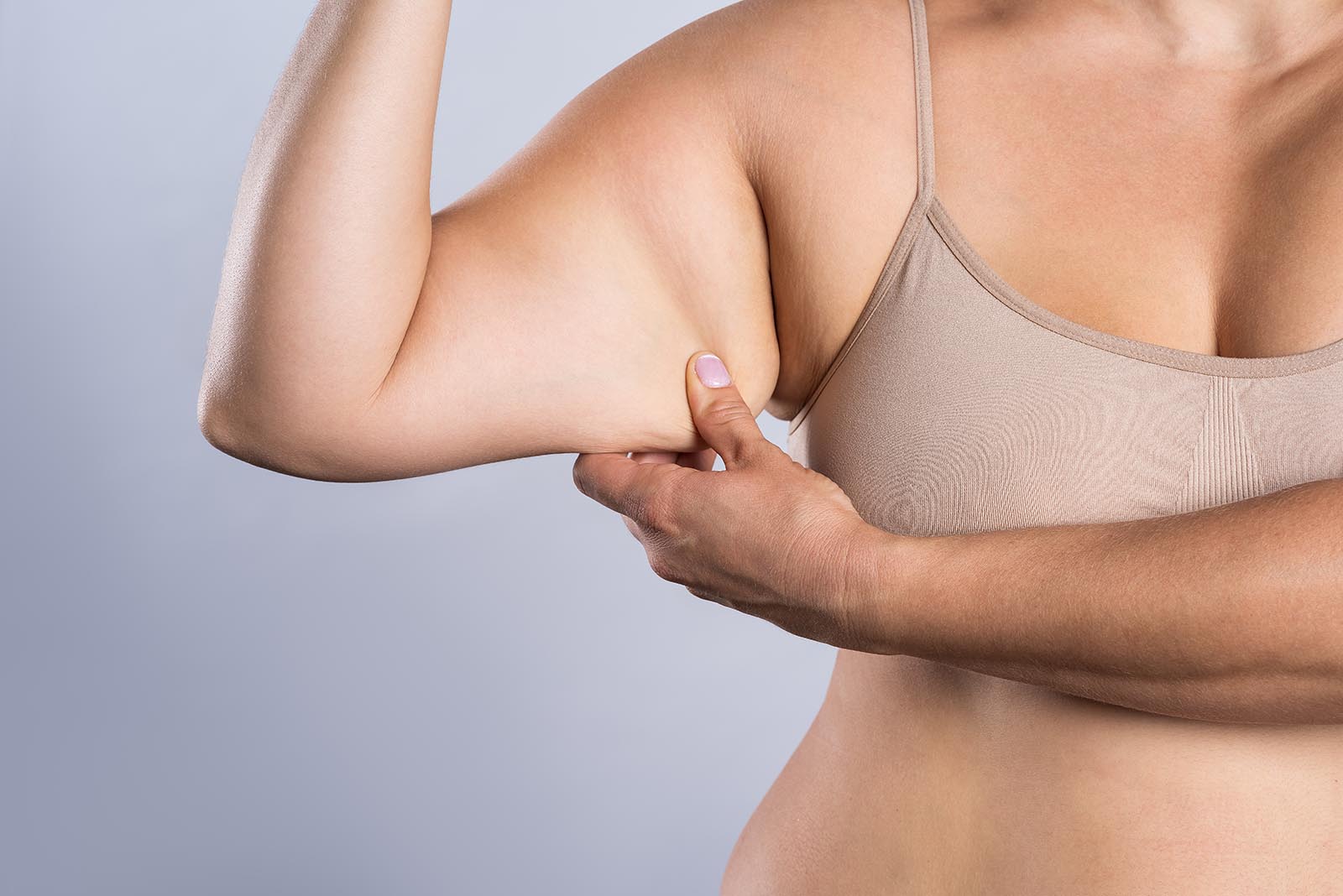
An upper arm lift is a plastic-surgical procedure in which loose skin and excess tissue are removed from the upper arms to achieve a long-lasting improvement in contour. Surgery may be suitable for lax, creased skin and pronounced folds that move when the arms are raised. If the upper arms also contain substantial fatty tissue and appear out of proportion with the rest of the body, the procedure can be combined with liposuction.
Upper Arm Lift Berlin – What Results Can Be Achieved?
The principal aim of an upper arm lift is to create slimmer, firmer-looking upper arms. I reshape their contours to achieve proportions that complement the rest of the body. Results can last for many years and, in some cases, a lifetime. Regular exercise and a healthy lifestyle can help maintain the outcome over the long term.
You will usually notice an improvement in the shape of your arms within the first few days after surgery. However, the final result becomes apparent only after several months, once swelling has subsided and healing is complete.
Where Are the Incisions Made for an Upper Arm Lift?
I always aim to plan the incisions as discreetly as possible. They are placed along the inner aspect of the upper arms so that the resulting scars are less conspicuous once healing is complete. Two principal incision patterns may be considered, depending on the amount of excess tissue to be removed. The I-shaped technique is used for smaller amounts of excess tissue, with an incision extending along the inner upper arm from the armpit towards the elbow. The T-shaped technique may be required when a larger volume of tissue needs to be removed. This involves an additional horizontal incision within the armpit.
If there is only a small amount of excess skin and the main objective is to refine the upper-arm contour, a less invasive approach combining liposuction with skin tightening using J-Plasma Renuvion may be an alternative.
Upper Arm Lift in Berlin – Individual Treatment and Personal Advice
The first step towards an upper arm lift at my specialist practice for plastic and aesthetic surgery in Berlin is a detailed consultation. This provides an opportunity to discuss every important aspect of the procedure. My priority is to ensure that you feel well looked after throughout your treatment and during every visit to the practice.
During the consultation, I assess your individual anatomy and discuss your expectations. I explain the extent and course of the operation, as well as the surgical techniques that may be suitable. Potential risks and contraindications are also discussed openly. The initial appointment includes a detailed medical history and physical examination, on the basis of which I prepare your personalised treatment plan.
On the day of surgery, I review the procedure with you and explain the points that are important for optimal aftercare. Throughout your recovery, I remain available to provide medical advice and, where required, further treatment.
Frequently Asked Questions
Who Is Suitable for an Upper Arm Lift?
An upper arm lift may be suitable for patients who are troubled by loose skin and changes in the tissue of their upper arms, whether because of their appearance or how they feel about their body. The procedure can be considered at different stages of adult life, provided the patient is medically fit for surgery.
How Long Do the Results of an Upper Arm Lift Last?
Provided there are no substantial fluctuations in weight that stretch the upper-arm tissue again, the results can be very long-lasting and may remain for life. Regular exercise and a healthy lifestyle can help preserve the outcome over the long term.
Can an Upper Arm Lift in Berlin Be Repeated?
A second upper arm lift is generally possible. Where appropriate, the procedure can be performed through the existing scars.
Will the Operation Leave Visible Scars?
Scarring cannot be avoided entirely after an upper arm lift because the procedure requires one or more relatively long incisions. These are positioned along the inner upper arms to make them less conspicuous. Careful planning, precise surgical technique and regular scar care after surgery can all help the scars mature as discreetly as possible, although their final appearance varies between patients.
When Should an Upper Arm Lift in Berlin Be Combined with Liposuction?
If the upper arms contain not only loose tissue but also significant localised fat deposits, combining the upper arm lift with liposuction may produce a more balanced contour.
If there is only a small amount of excess skin, liposuction alone may be sufficient to improve the appearance and proportions of the arms. At my practice, I may additionally use J-Plasma Renuvion after liposuction to enhance skin tightening where clinically appropriate.
What Is J-Plasma Renuvion?
J-Plasma Renuvion is a technology used to tighten lax skin and achieve a long-lasting improvement. Also known as “cold plasma”, it uses helium gas and radiofrequency energy to create a controlled plasma stream. In plastic and aesthetic surgery, it may be used in conjunction with liposuction.
After fat cells have been removed by liposuction, spaces remain within the treated tissue and are crossed by strands of connective tissue. The J-Plasma applicator is introduced through the liposuction access points, delivering controlled energy that causes the connective tissue to contract. This can help smooth and tighten the skin from within. The treatment is performed under anaesthesia, and results can be long-lasting, although the degree of improvement varies between patients.
Why Is General Anaesthesia Required for an Upper Arm Lift?
General anaesthesia is often recommended for an upper arm lift because of the duration and extent of the operation. It allows the procedure to be performed without causing you unnecessary physical or psychological strain. For a more limited operation, local anaesthesia may be possible.
If you have any concerns about general anaesthesia, please raise them with me during your consultation.
How Painful Is an Upper Arm Lift in Berlin?
You will not feel pain during the procedure because it is performed under general or local anaesthesia. During the first few days after surgery, moderate wound discomfort is common and can usually be managed effectively with standard pain relief.
Why Is Lymphatic Drainage Recommended after an Upper Arm Lift?
The upper arms contain numerous lymphatic vessels, some of which may be temporarily affected by surgery. Lymphatic drainage can help reduce swelling and lower the risk of lymphoedema, which occurs when lymphatic fluid cannot drain normally. Persistent fluid congestion may cause swelling and, in some cases, interfere with wound healing.
Are There Any Contraindications?
Possible contraindications to an upper arm lift include vascular disease, venous congestion, uncontrolled high blood pressure and certain autoimmune conditions. Surgery may also be unsuitable if essential blood-thinning medication cannot safely be discontinued. During your medical consultation, I assess these factors carefully and discuss whether surgery is appropriate or whether an alternative approach should be considered.