
What to do about dark circles under the eyes?
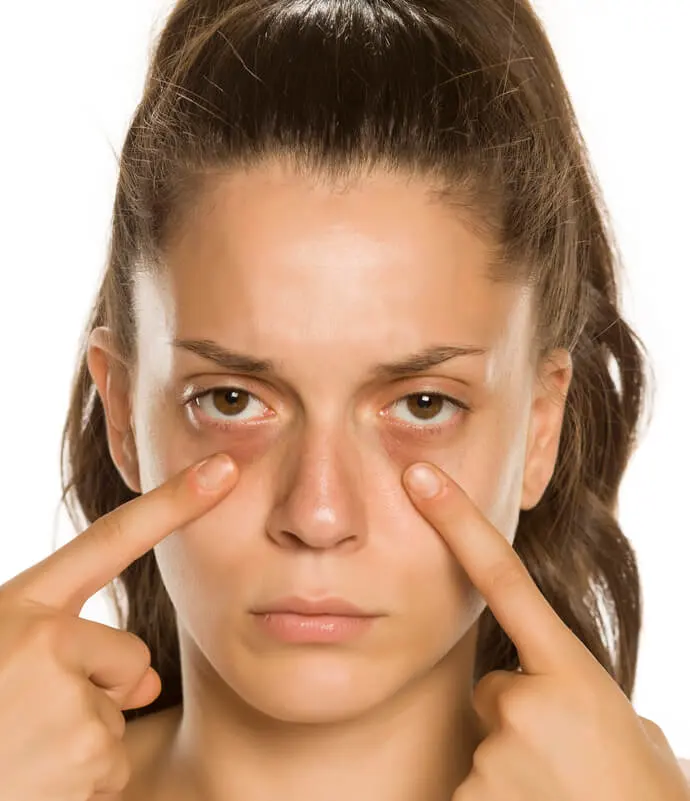
Dark circles under the eyes are among the annoying side effects of everyday life. In the course of life, almost everyone experiences them at some point.
Stress, lack of sleep, an unbalanced diet, and negative environmental influences quickly leave their marks on the sensitive skin under the eyes. A genetic predisposition can also lead to the unwelcome dark shadows.
In this article, you will learn how to effectively prevent dark circles under the eyes by making small changes to your lifestyle.
What causes dark circles under the eyes?
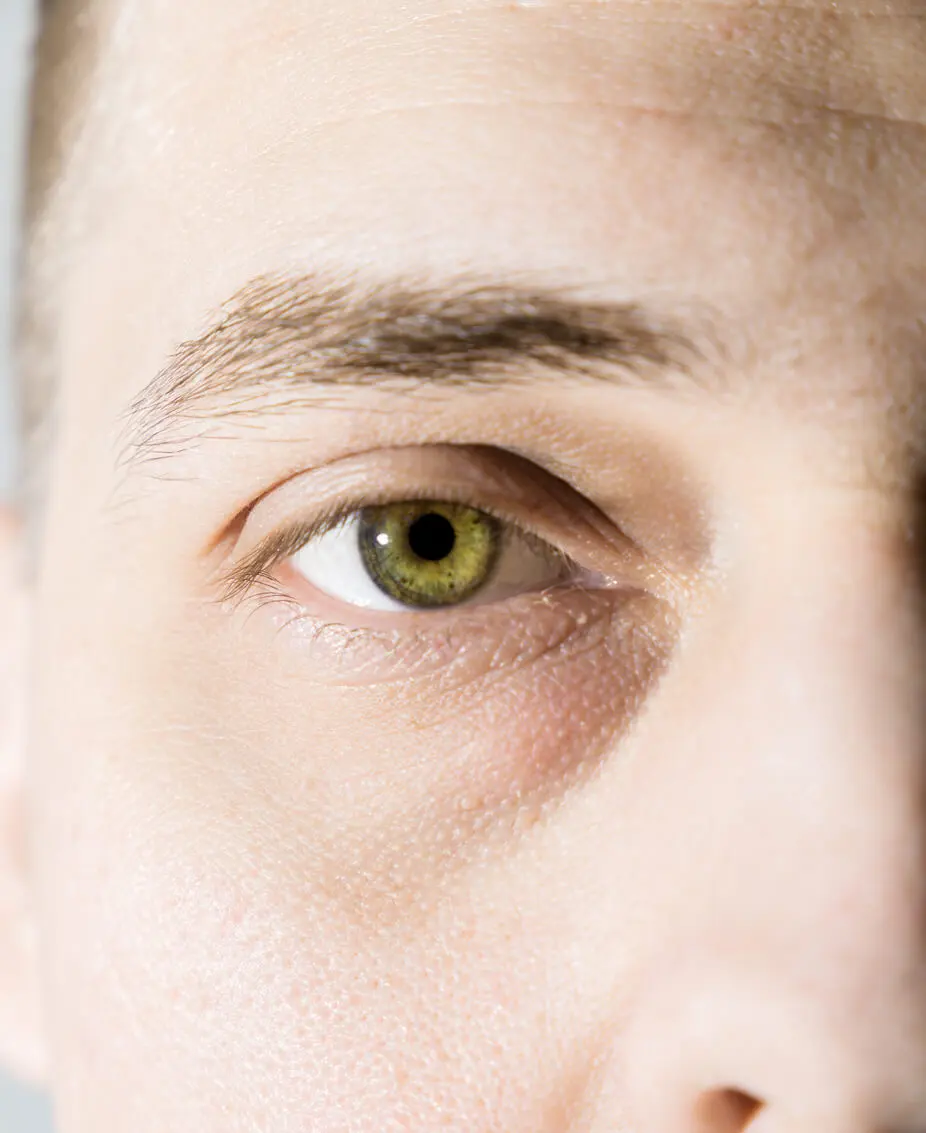
Compared to other facial regions, the skin around the eye is particularly thin and sensitive. Fat and connective tissue are barely present in the eye area, while the skin under the eyes is traversed by numerous fine blood vessels. Negative environmental influences, too little sleep, an occasional excess of alcohol and nicotine, and many other factors are stress for the skin - and around the eyes, it becomes noticeable particularly quickly.
Similarly, a lack of nutrients and fluids can lead to dark shadows under the eyes. It is important to note that the cause is almost always harmless. Serious illnesses only rarely lead to dark shadows.
What does the color say about the causes of dark circles under the eyes?
Most common are bluish or purplish dark circles under the eyes. They occur, for example, when the skin under the eyes is not sufficiently moisturized, so that there is no cushioning effect and the vessels become visible. This form of dark circles under the eyes is a typical reaction of the skin to stress.
The cause of brownish shadows under the eyes, on the other hand, is a so-called hyperpigmentation. In this case, a particularly large amount of melanin is deposited under the eyes, leading to the formation of dark circles under the eyes. Melanin is the body's tanning pigment - it is responsible for the brown color of hair or eyes, as well as moles. UV radiation - for example, during sunbathing - leads to an increased production of melanin. Brown-colored dark circles under the eyes are caused by the effects of UV light. In some cases, however, the brownish discolorations under the eyes are also hereditary.
Can dark circles under the eyes be caused by a deficiency?
Deficiency symptoms can also be the cause of dark circles under the eyes. To stay healthy, our body relies on a continuous and proper supply of vitamins, minerals, and trace elements, which also help sustainably against dark circles under the eyes.
Dark circles under the eyes often result from a lack of vitamin C or an iron deficiency. Similarly, insufficient fluid intake can lead to dark circles under the eyes. An overall healthy lifestyle, avoiding dietary errors, and adequate drinking therefore also help against dark shadows under the eyes.
A lack of vitamin C promotes dark circles under the eyes
Vitamin C promotes blood circulation and increases blood flow. If it is lacking, blood circulation is inhibited. The blood vessels under the eyes then shimmer more clearly through the skin as dark shadows.
Furthermore, the color of the blood largely depends on oxygen supply: oxygen-rich blood is bright red. With too little oxygen, the blood, however, takes on a bluish color, which becomes visible in the form of dark circles under the eyes.
Good vitamin C intake makes dark circles appear significantly lighter. At the same time, vitamin C ensures that the body is better able to absorb iron.
Dark circles due to iron deficiency
Iron is a trace element that cannot be produced by the body itself, so it must be taken in with food.
Medical statistics show that in Europe, between five and ten percent of the total population have an iron deficiency. In women of childbearing age, this proportion is significantly higher at up to 20 percent.
An iron deficiency means that the red blood pigment hemoglobin and thus also the red blood cells can no longer be formed in sufficient quantities. The consequences are headaches, fatigue, concentration problems and listlessness. In severe cases, anemia can develop. An iron deficiency is often also noticeable through strongly pronounced dark circles.
Dark circles due to too little moisture
The skin gains elasticity and radiance especially when it is optimally supplied with moisture - this applies to the delicate skin around the eyes to a particularly high degree. Moisture acts like a cushion in the skin, so that dark shadows under the eyes and also wrinkles are significantly softened. At the same time, it ensures that the skin can regenerate sustainably, which can also prevent dark circles under the eyes.
Can the cycle be to blame for dark circles?
Dark circles, swollen eyes or eye bags can also be caused by hormonal fluctuations. Around the time of ovulation and in the second half of the cycle, the female sex hormone estrogen and various other hormones are increasingly released, which can on the one hand intensify dark shadows under the eyes. On the other hand, estrogen promotes the storage of water in the tissue. This can lead to swelling or slight eye bags around the eyes, which disappear again during menstruation.
Very heavy menstrual bleeding can also trigger or intensify an iron deficiency, so that dark circles become more apparent.
When can dark circles be an indication of an illness?
Dark shadows under the eyes, like swelling, are almost always harmless. In individual cases, however, they can also be an indication of an illness.
Health problems that can cause dark circles or swelling include, for example, pollen allergies. In hay fever, the eyelids and the lower eye region are often inflamed. In response to this, the body increasingly stores color pigments and water in these areas.
Liver and kidney diseases or heart failure can also manifest themselves through dark circles. In case of liver or kidney dysfunction, the color and consistency of the blood change, and heart failure reduces the oxygen supply to the body tissues - the vessels become more prominent as a result. If harmless reasons for dark circles are very likely ruled out, a doctor should clarify whether there is a serious cause for the dark shadows.
Causes of dark circles - what dermatologists say about it
In most cases, however, the doctor will give the all-clear. Dark circles, swollen eyes or even eye bags are almost always exclusively a cosmetic phenomenon.
Dermatologists consider stress, too little sleep, and excessive consumption of alcohol and nicotine to be the most common causes of dark circles. Stress is also very immediately visible in the eye area. Positive changes in lifestyle often very quickly lead to dark circles disappearing or being significantly reduced.
What to do about dark circles?
You can do something about dark circles in various ways. A healthy lifestyle helps to avoid or reduce dark circles. Home remedies and creams can prevent dark circles from forming. Concealer and make-up help to conceal the unwanted shadows.
Healthy lifestyle - effective against dark circles
With a few behavioral changes, you lay the foundation for an effective strategy against dark circles.
If you manage to reduce stress, you have eliminated a major cause of dark circles. Stress factors also include permanent overexertion of the eyes. For example, the eye muscles need more oxygen if you work on the computer for long hours, which contributes to the formation of dark circles. Regular breaks ensure that your eyes can recover and thus make dark circles disappear.
A healthy lifestyle also helps to give the area around the eyes a fresh, awake appearance. Sufficient sleep, a wholesome, balanced diet and regular exercise are not only important for your general well-being, but also prevent dark circles. Sufficient drinking is equally important. You should consume at least 1.5 liters of fluid per day. Water, herbal teas and unsweetened fruit juice spritzers are optimally suited for this.
Home remedies for dark under-eye circles
Home remedies and corresponding tips for under-eye circles are often very effective in everyday life:
- Cooling: If you often wake up in the morning with dark under-eye circles or swollen eyes, cooling can have a lasting counter-effect. You can place a teaspoon in the refrigerator in the evening and put it on your eyes for a short time in the morning. Alternatively, cool your eyes with cooling pads or cold compresses. The cold causes the blood vessels in the eye area to contract, making the under-eye circles less visible.
- Moisture booster: A well-known tip for under-eye circles is cucumber slices - they have a smoothing, relaxing effect and are a moisture booster for the skin. For this, cut well-chilled cucumbers and place the slices on your closed eyes for about 15 minutes.
- Tea bags: Tea bags are also a proven tip for under-eye circles and are among the tricks that have been used for a long time. Due to the theine and other natural active ingredients, they have a blood circulation-promoting and firming effect. For this, pour boiling water over black or green tea bags, let them cool down, and then place them on your closed eyes for a few minutes. Important: Tea for under-eye circles should be natural, as artificial ingredients and flavors can lead to allergies or eye irritation.
Cosmetics for under-eye circles
You can also effectively combat under-eye circles with cosmetics. Creams that simultaneously have an anti-aging effect are particularly suitable for this. They supply the tissue with nutrients, vitamins, and moisture, while stimulating skin circulation.
Typical ingredients of high-quality eye creams are:
- Hyaluronic acid
- Caffeine
- Vitamin A (Retinol) and
- Vitamins C and E, which act as moisture and nutrient boosters.
If you need a quick fix, you can also use cosmetic eye pads as an alternative to a cream. They also contain hyaluronic acid, caffeine, and vitamins as active ingredients. Your eye area immediately appears firmer, more youthful, and fresher after application. The pads remove under-eye circles just like a cream by stimulating blood circulation and ensuring that the skin under the eyes can replenish its moisture reserves.
What is better: home remedies or expensive cream?
Tips for under-eye circles also include covering up bothersome under-eye shadows with concealer and make-up. To make under-eye circles invisible and at the same time care for the delicate skin around the eyes, proceed as follows:
- To optimally care for your eye area, first apply an eye cream, ideally chilled. Concealer and other cosmetic products follow when the cream has been fully absorbed.
- In the next step, apply a color corrector and then a concealer - in addition to covering up under-eye circles, you also create an even, radiant skin tone.
- As a tip for optimal make-up: For very dark under-eye circles, it is best to then apply a so-called primer. Primers consist mostly of silicones. Such a make-up lays like a film on the skin and prevents concealer or foundations from being absorbed too quickly, without inhibiting skin breathing. Primers are often equipped with shimmering particles that reflect light and thus make the skin appear optically brighter.
For dry and mature skin, you do your eye area some good with liquid concealer; for younger and smoother skin around the eyes, a powdery product can also be the right choice. The concealer should be at least one shade lighter than your natural skin tone.
Do you have questions about under-eye circles?
I would be happy to advise you without obligation on which under-eye circle therapy is suitable for you and which treatment you would benefit from most.
Frequently asked questions
Under-eye circles can be caused by a number of factors - for example, stress, genetic predisposition, skin aging, or lifestyle. One of the most common causes of under-eye circles is lack of sleep. Other lifestyle habits that can promote under-eye circles include smoking and alcohol consumption. Under-eye circles can also be a sign of allergies or an iron deficiency. Sometimes under-eye circles are a sign of an internal organ disease, such as heart failure or kidney disease.
Dark circles can also indicate various deficiency states. For example, a lack of iron or vitamin C also manifests as dark circles. Similarly, dehydration can lead to dark circles.
The reasons for dark circles are almost always related to lifestyle. Stress, lack of sleep, the consumption of nicotine and alcohol, and other factors influence the appearance of dark shadows under the eyes. The fundamental cause of dark circles is that the skin around the eye is particularly thin and sensitive. Unlike other facial regions, it is barely padded by fat and connective tissue here, so blood vessels and muscles quickly become visible as dark circles. In rare cases, dark circles can also indicate a serious illness.
You can remove or reduce dark circles with various methods. A healthy lifestyle helps reduce dark shadows. You can make dark circles disappear through cooling, tricks and home remedies like cucumber slices or tea, creams, but also through a balanced diet, exercise, sufficient sleep, and stress reduction. Concealers and other cosmetic products are used to cover dark circles. Through injections with hyaluronic acid, autologous fat, or blood plasma as part of a minimally invasive plastic-surgical treatment, you can remove dark circles for a longer period, usually for six to twelve months.

Do you have questions about dark circles?
Should you still have any questions, we would be happy to discuss them personally and without obligation in our Berlin practice.