
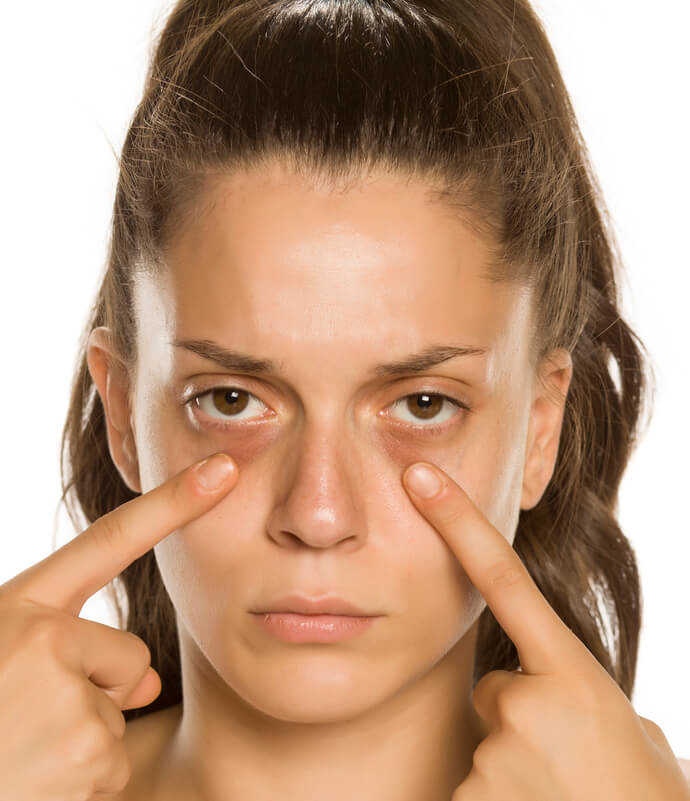
Removing Dark Circles – Tips for Reducing Under-Eye Shadows
Dark circles under the eyes are extremely common. Many people find them troublesome because they can make the face appear tired, drawn and older. The desire to remove dark circles is understandable, but is it possible?
There are various ways to reduce dark circles. Home remedies and skincare products can often help, particularly when eye care forms part of a suitable facial skincare routine. Concealer and make-up can also provide effective temporary coverage.
For longer-lasting results, treatment by a specialist in plastic and aesthetic surgery may be appropriate. Injections or laser therapy can reduce dark shadows beneath the eyes with minimally invasive methods. I offer these treatments at my practice in Berlin.
This guide explains what dark circles are, what causes them and what you can do to reduce their appearance.
What are dark circles?
Dark circles are shadows beneath the eyes that can make the face appear tired and older. Although they are usually only a cosmetic concern, many people wish to reduce their appearance.
The lower eye area may also look slightly hollow. The defining feature of dark circles, however, is discolouration of the skin beneath the eyes.
Dark circles are often particularly noticeable in the morning, immediately after waking. Blood and lymphatic circulation slow during sleep, as does the drainage of tissue fluid. When normal circulation resumes after waking, the blood vessels dilate and may become visible as dark areas through the thin skin around the eyes.
In pronounced cases, discolouration may appear not only beneath the eyes but also on the upper eyelids. This can lead patients to seek a longer-lasting treatment for dark circles.
What causes dark circles?
Dark shadows beneath the eyes can have several causes. The skin in this area is naturally more delicate, thin and sensitive than skin elsewhere on the body. There is also very little connective tissue and fatty cushioning, allowing blood vessels and underlying muscle to show through more readily.
Environmental factors and your general health can affect their appearance, as can age. Over time, the skin around the eyes becomes even thinner and more delicate, which may make existing dark circles more noticeable.
Possible causes include stress, an unbalanced diet, eye strain from activities such as prolonged computer work, insufficient sleep and excessive nicotine or alcohol consumption. Reducing dark circles may therefore also require changes to your lifestyle.
A balanced, nutritious diet may reduce dark shadows, particularly where deficiencies in iron, vitamin C or other micronutrients are contributing factors. Hormonal changes can also affect their appearance. For example, some women notice more pronounced dark circles around the middle and during the second half of their menstrual cycle.
Dark circles are primarily a cosmetic concern and only rarely indicate a serious medical condition. However, if you develop pronounced dark circles without an obvious cause, you should consult a doctor. In some cases, shadows beneath the eyes may be associated with kidney or liver disease, a heart condition or previously undiagnosed diabetes.
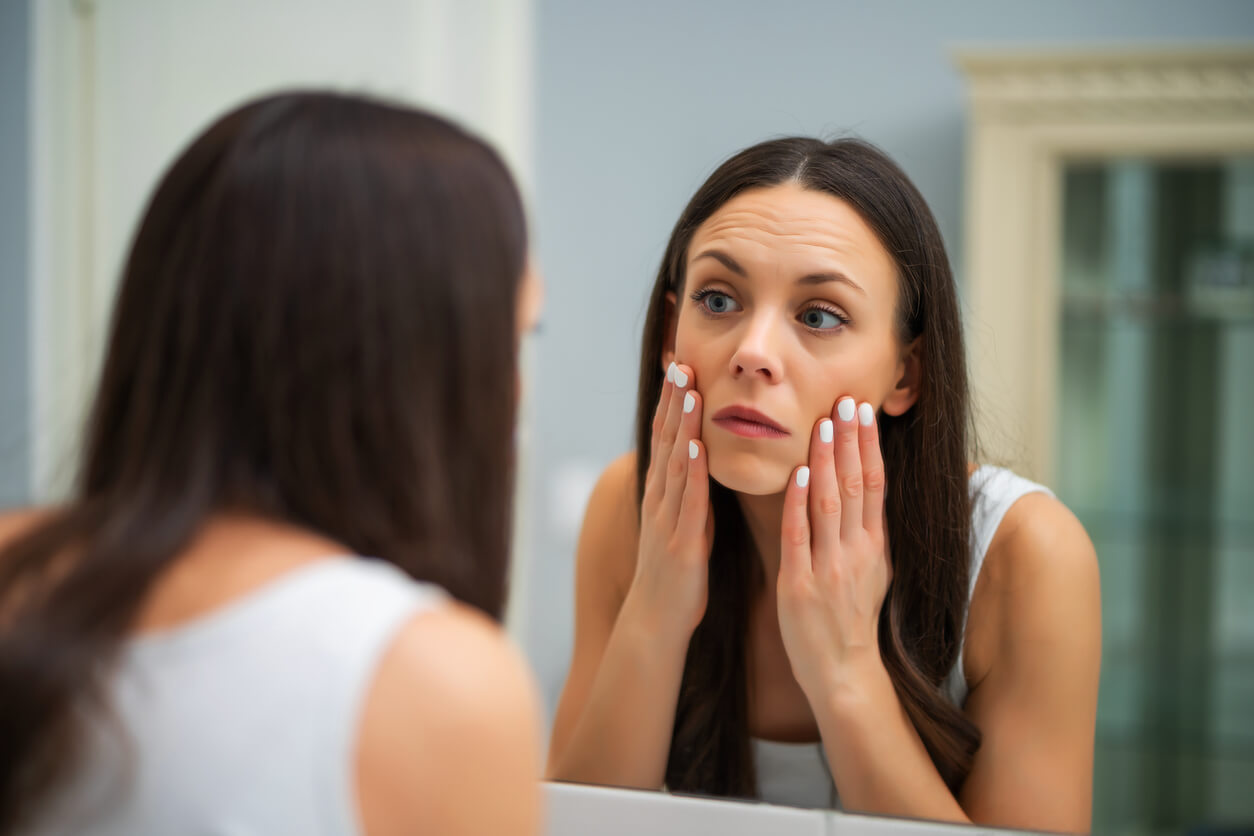
Removing Dark Circles – What Helps with Shadows Beneath the Lower Eyelids?
What types of dark circles are there?
Dark circles can appear in several forms, each of which may have different underlying causes:
- Bluish or purple dark circles occur when the skin beneath the eyes is so thin that blood vessels and muscle show through as darker discolouration. The lack of fatty and connective tissue contributes to this appearance. Inadequate hydration or micronutrient supply may make these dark circles more pronounced.
- Brownish dark circles are caused by hyperpigmentation. They may develop in response to UV exposure, including prolonged or intense sunlight, which increases the deposition of the brown pigment melanin in the skin. Genetic factors can also contribute to brown discolouration beneath the eyes.
- Another cause is a pronounced tear trough. This groove extends beneath the eye towards the outer corner and cheekbone. A deep tear trough may result from age-related or environmentally influenced volume loss around the eyes. It may also be genetic and is sometimes accompanied by laxity of the lower eyelid.
What is the difference between dark circles and under-eye bags?
Dark circles should be distinguished from under-eye bags.
Although under-eye bags are often associated with dark circles, they have a different underlying cause. They develop when the tissue beneath the eyes becomes lax through ageing or hereditary factors, allowing fat to protrude into the resulting pockets.
Under-eye bags are therefore not the same as puffy eyes caused by temporary fluid retention around the eyes.
At my practice in Berlin, I offer aesthetic treatments to reduce dark circles beneath the eyes.
Removing Dark Circles – How to Reduce Under-Eye Shadows
There are several ways to remove or soften dark circles, ranging from skincare products, creams and home remedies to treatments in plastic and aesthetic medicine.
A healthy lifestyle can help reduce dark circles
When the body is under strain, the effects often become visible around the eyes, including as dark circles. A healthy lifestyle can help reduce under-eye shadows or make them less likely to develop. Important factors include:
- Getting enough sleep
- Eating a balanced, nutritious diet that provides the vitamins and nutrients the body needs to remain healthy
- Moderating your consumption of nicotine and alcohol, or ideally avoiding them altogether
- Drinking enough fluid: the skin needs moisture to maintain its condition and volume. Aim for at least 1.5 litres of water or unsweetened drinks such as herbal tea and diluted fruit juice each day. Adequate hydration benefits your body generally, including the skin around your eyes.
Cosmetics provide temporary coverage for dark circles
Cosmetic products offer a temporary way to conceal dark circles. Concealer and full-coverage make-up can disguise under-eye shadows effectively. For the best result, choose products at least one shade lighter than your natural skin tone.
For particularly dark or noticeable circles, a primer may also be helpful. Primers commonly contain breathable silicones that help prevent make-up from being absorbed too quickly. Some also contain light-reflecting pigments that make the under-eye area appear brighter.
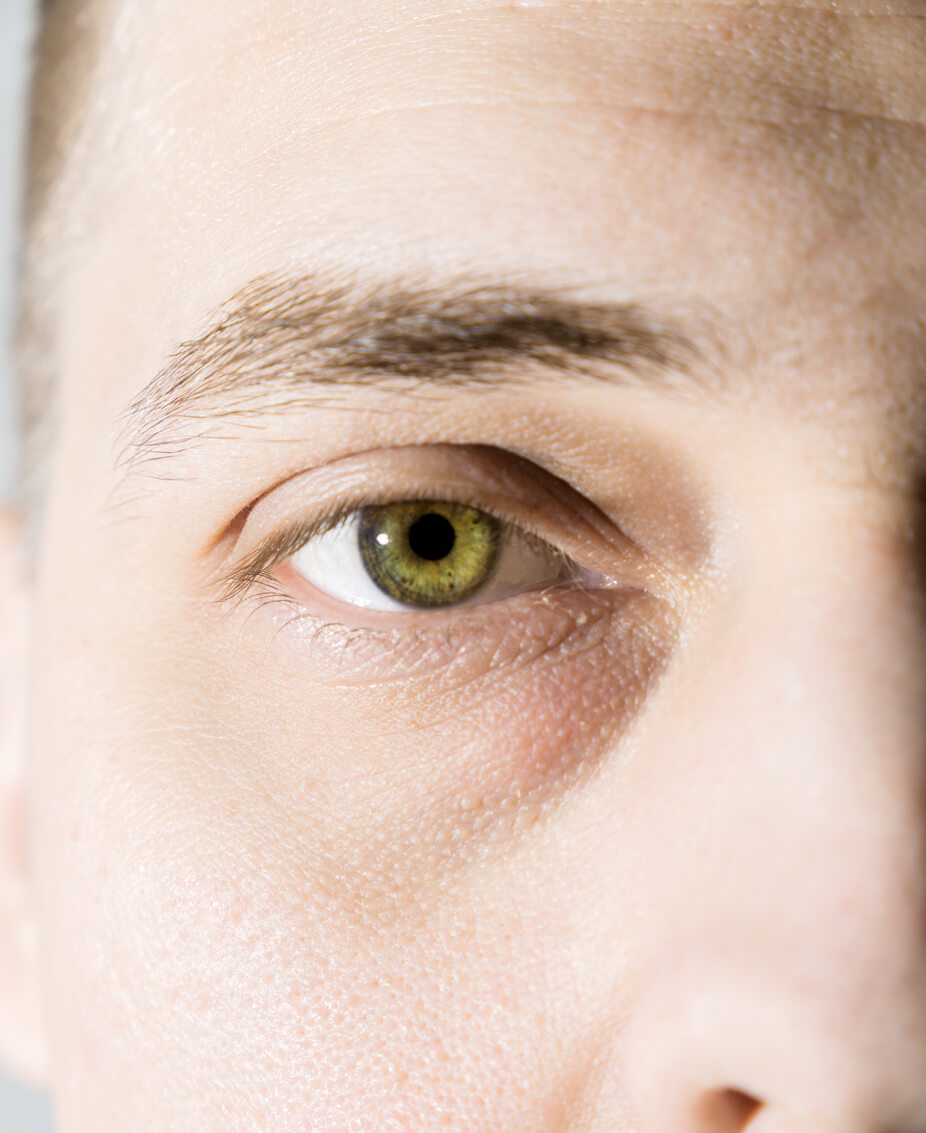
Eye care: creams for puffiness and under-eye shadows
Regular eye care with high-quality creams may reduce puffiness and make dark circles less visible. Common ingredients in eye creams include hyaluronic acid, vitamins A, C and E, caffeine, and other moisturising and smoothing ingredients.
Keeping the cream in the refrigerator can provide an additional cooling effect, which may help reduce puffiness and the appearance of dark circles.
Apply the cream throughout the eye area, gently patting and massaging it into the skin. Eye creams can support the skin’s long-term regeneration and provide moisture and micronutrients, helping it maintain its condition and volume.
Can home remedies help with dark circles?
Several simple and inexpensive home remedies may help soften the appearance of dark circles and make the shadows less noticeable.
Cooling the eye area
Cooling the eye area can temporarily reduce dark circles and puffiness. One simple method is to place a teaspoon in the refrigerator and then hold it gently against the area beneath the eyes. A similar cooling effect can be achieved with chilled quark applied to a cloth and placed over the eyes for approximately 15 minutes.
Alternatively, you can use cooling pads or a cooling eye mask. These are available from pharmacies, chemists and online retailers and are generally applied for ten to 15 minutes.
Gentle massage for under-eye shadows
Gentle massage encourages circulation around the eyes and may help soften the appearance of dark circles. It can be performed without skincare products or with a cream that moisturises and nourishes the delicate eye area. The massage takes only a few minutes and may provide longer-term benefits when performed regularly.
Classic home remedies for dark circles – cucumber slices, cucumber masks and tea
Traditional home remedies for dark circles include cucumber slices, cucumber masks and black tea.
Cucumber slices have a cooling and soothing effect and may temporarily make the skin feel firmer. Cut a well-chilled cucumber into thin slices and place them over the eyes for approximately 15 minutes.
Black or green tea may also help reduce or prevent the appearance of dark circles. Use only unflavoured products without artificial additives to minimise the risk of irritation in this sensitive area. Steep the tea bags in boiling water and allow them to cool before placing them over the eyes. Like caffeine, the compounds in tea may temporarily soothe the eye area and make dark circles appear lighter.
To make a cucumber mask, grate a quarter of a cucumber and mix it with low-fat quark. If your skin is very dry, you can use full-fat yoghurt or full-fat quark instead. The mask can be applied around the eyes as well as to the face and neck, where it has a cooling and temporarily firming effect. Leave it on for ten to 15 minutes, then rinse with lukewarm water.
The right facial skincare routine for dark circles and a fresh complexion
Eye care should ideally form part of a consistent facial skincare routine. Begin by cleansing the skin gently with water and a mild cleansing lotion. You can combine this with a light facial massage to encourage circulation and help reduce puffiness.
Which is better: home remedies or an expensive cream?
A facial skincare routine for the face, neck and décolletage may include cleansing products, a day cream, a night cream, an eye cream and, if appropriate, a serum applied before the day or night cream. This type of routine can make dark circles less noticeable whilst supporting a fresher, more even-looking complexion.
Removing Dark Circles with Aesthetic Treatments
Treatments in aesthetic medicine can offer a longer-lasting way to reduce dark circles. These non-surgical or minimally invasive options are generally designed to minimise downtime. At my specialist practice for plastic and aesthetic surgery, Dottore Caletti in Berlin, I offer the following treatments for dark circles:
- Hyaluronic acid injections
- Fat transfer using your own fat tissue, including lipofilling and nanofat
- Injections using platelet-rich plasma obtained from your own blood, known as a vampire facial or PRP treatment, to support long-term skin regeneration
During a detailed consultation, I will discuss your individual concerns and expectations with you. I can then recommend the treatment method best suited to the cause and appearance of your dark circles.
Frequently Asked Questions
What causes dark circles under the eyes?
Dark circles are particularly visible because the skin beneath the eyes is delicate, thin and sensitive. Blood vessels run close to the surface, and there is naturally very little connective tissue or fatty cushioning in this area.
Stress, environmental factors, lifestyle and the natural ageing process can cause the skin beneath the eyes to lose further volume over time, making dark circles more noticeable. Genetic factors may also play a role.
How can I get rid of dark circles?
Regular eye care, home remedies and suitable skincare products can help reduce dark circles. Concealer and make-up provide temporary coverage for under-eye shadows.
Treatments in plastic and aesthetic medicine include fillers such as hyaluronic acid, fat transfer, platelet-rich plasma obtained from your own blood, known as a vampire facial or PRP treatment, and laser therapy.
Which home remedies help with dark circles?
Home remedies that may help include cooling the eye area, cucumber slices, cucumber masks, tea bags and caffeine-based products. Their purpose is to soothe the area and temporarily make the skin appear firmer and smoother. Some may also encourage circulation and support the skin’s natural regenerative processes.
Which cosmetic products help with dark circles?
Rich eye creams and serums may help reduce the appearance of dark circles. Unlike a cream, a serum contains its active ingredients in a more concentrated form and is usually applied before eye cream. Products should be chosen to suit your skin type and its particular requirements. If necessary, a qualified aesthetician or doctor can advise you on suitable products.
How can I conceal dark circles with make-up?
Dark circles are best concealed with concealer and full-coverage make-up at least one shade lighter than your natural skin tone. For very pronounced dark circles, a primer may improve the result by helping prevent rapid absorption of the make-up and reflecting light to brighten the under-eye area.
Cosmetics, home remedies or aesthetic treatment – which is better?
Treatments in plastic and aesthetic medicine generally provide longer-lasting improvement than cosmetics or home remedies. Options may include injections with hyaluronic acid, fat transfer, botulinum toxin in carefully selected cases, or platelet-rich plasma obtained from your own blood. Laser therapy may be considered particularly for dark circles caused by hyperpigmentation and should only be performed by an experienced doctor. Cosmetics and home care can support skin regeneration and complement professional treatment.
How long do the results of injections or laser treatment for dark circles last?
Results from injectable treatments may last approximately nine to twelve months, although this varies between patients and according to the product used. Fat transfer may provide considerably longer-lasting results. Improvements following laser treatment for pigmented dark circles can be long-lasting, particularly when the skin is protected from significant UV exposure.
How much do injections or laser treatment for dark circles cost?
Depending on the extent of treatment, injections and laser therapy for dark circles cost from €350.