
What Can You Do About Dark Circles?
Dark circles are a common and often frustrating part of everyday life. Almost everyone experiences them at some point.
Stress, lack of sleep, an unbalanced diet and environmental factors can quickly leave their mark on the delicate skin beneath the eyes. Genetics may also contribute to these unwanted shadows.
This article explains how small lifestyle changes can help you prevent and reduce dark circles under the eyes.
What Causes Dark Circles Under the Eyes?
Compared with other areas of the face, the skin around the eyes is particularly thin and delicate. There is very little fat or connective tissue in this region, whilst numerous fine blood vessels run beneath the skin. Environmental factors, insufficient sleep, excessive alcohol or nicotine consumption and many other influences can place the skin under strain—and the effects tend to become visible particularly quickly around the eyes.
Nutritional deficiencies and dehydration can also contribute to dark circles. In most cases, however, the cause is harmless. Dark circles are only rarely associated with a serious medical condition.
What Does the Colour of Dark Circles Indicate About Their Cause?
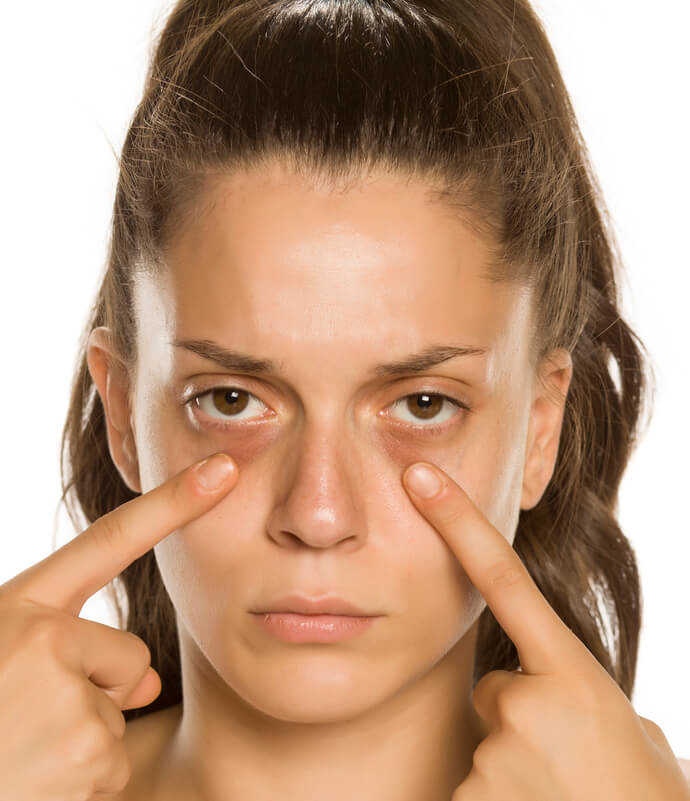
Bluish or purple dark circles are the most common. They may become more noticeable when the skin beneath the eyes lacks moisture and therefore has less of a cushioning effect, allowing the underlying blood vessels to show through. This type of dark circle is a common sign of tired or stressed skin.
Brownish shadows beneath the eyes, by contrast, are usually caused by hyperpigmentation. This occurs when increased amounts of melanin accumulate in the skin below the eyes. Melanin is the pigment responsible for the colour of the hair and eyes, as well as moles and tanning. UV exposure—for example, during sunbathing—stimulates melanin production and can contribute to brown dark circles. In some people, however, this pigmentation is hereditary.
Can Dark Circles Be Caused by a Deficiency?
Nutritional deficiencies can also contribute to dark circles. The body requires a regular, balanced supply of vitamins, minerals and trace elements to remain healthy, and correcting a deficiency may help improve the appearance of the eye area in the long term.
Dark circles may be associated with vitamin C or iron deficiency. Inadequate fluid intake can also make them more prominent. A generally healthy lifestyle, a balanced diet and sufficient hydration may therefore help reduce shadows beneath the eyes.
Vitamin C Deficiency Can Contribute to Dark Circles
Vitamin C supports healthy blood vessels and circulation. If levels are too low, the vessels beneath the eyes may become more visible through the thin skin, creating the appearance of dark shadows.
The colour of blood is also influenced by its oxygen content: oxygen-rich blood is bright red, whilst blood with a lower oxygen content has a darker, bluish tone. This can become visible through the delicate skin beneath the eyes.
An adequate supply of vitamin C may therefore help the eye area appear less shadowed. Vitamin C also supports the body’s absorption of iron.
Dark Circles Caused by Iron Deficiency
Iron is an essential trace element that the body cannot produce itself, so it must be obtained through the diet.
Medical statistics indicate that between five and ten per cent of the European population has an iron deficiency. Among women of childbearing age, the proportion is considerably higher, at up to 20 per cent.
Iron deficiency can prevent the body from producing sufficient haemoglobin and red blood cells. Possible symptoms include headaches, fatigue, difficulty concentrating and low energy. In severe cases, iron-deficiency anaemia may develop. Pronounced dark circles can also be a visible sign of iron deficiency.
Dark Circles Caused by Dehydration
Adequate hydration helps the skin maintain its elasticity and healthy appearance, and this is especially important for the delicate eye area. Moisture helps to plump the skin, which can soften the appearance of dark circles and fine lines. It also supports the skin’s natural regenerative processes and may make under-eye shadows less noticeable.
Can the Menstrual Cycle Cause Dark Circles?
Dark circles, swollen eyes and under-eye bags can also be influenced by hormonal fluctuations. Around ovulation and during the second half of the menstrual cycle, levels of oestrogen and other hormones rise, which may make dark circles more noticeable. Oestrogen can also encourage fluid retention in the tissues, causing temporary swelling or mild under-eye bags that usually subside during menstruation.
Very heavy menstrual bleeding can also cause or exacerbate iron deficiency, making dark circles more apparent.
When Can Dark Circles Be a Sign of Illness?
Dark circles and swelling beneath the eyes are almost always harmless. In isolated cases, however, they may indicate an underlying medical condition.
Health conditions that can cause dark circles or swelling include pollen allergies. Hay fever frequently inflames the eyelids and the area beneath the eyes. In response, the body may deposit more pigment and retain fluid in these tissues.
Liver or kidney disease and heart failure can also sometimes cause changes around the eyes. Impaired liver or kidney function may alter the composition and colour of the blood, whilst heart failure can reduce the oxygen supply to the tissues, making blood vessels more visible. If common, harmless causes seem unlikely, you should consult a doctor to rule out a more serious underlying condition.
What Dermatologists Say About the Causes of Dark Circles
In most cases, however, a doctor will be able to provide reassurance. Dark circles, swollen eyes and under-eye bags are usually a cosmetic concern rather than a sign of illness.
Dermatologists regard stress, insufficient sleep and excessive alcohol or nicotine consumption as some of the most common causes of dark circles. Stress often becomes visible particularly quickly around the eyes. Positive lifestyle changes can help dark circles fade or become considerably less pronounced.
What Can You Do About Dark Circles?
There are several ways to address dark circles. A healthy lifestyle can help prevent or reduce them, whilst home remedies and suitable skincare may make them less noticeable. Concealer and make-up can also be used to camouflage unwanted shadows.
A Healthy Lifestyle to Help Reduce Dark Circles
A few changes to your daily habits can provide a sound basis for reducing dark circles.
Reducing stress addresses one of the key factors associated with dark circles. Prolonged eye strain can also contribute—for example, spending many hours at a computer increases the demands placed on the eye muscles and may make shadows more noticeable. Taking regular breaks allows your eyes to rest and can help reduce their tired appearance.
A healthy lifestyle can also help the eye area look fresher and more rested. Sufficient sleep, a balanced and nutritious diet, and regular exercise are important not only for your general health but also for reducing the likelihood of dark circles. Adequate hydration is equally important. As a general guide, you should drink at least 1.5 litres of fluid per day, preferably water, herbal tea or diluted unsweetened fruit juice.
Home Remedies for Dark Circles
Several simple home remedies may help reduce the appearance of dark circles in everyday life:
- Cooling: If you often wake with dark circles or puffy eyes, cooling the area can provide temporary relief. Place a teaspoon in the refrigerator overnight and gently hold it against the eye area for a short time in the morning. Alternatively, use cooling eye pads or a cold compress. The low temperature constricts the blood vessels around the eyes, making dark circles less visible.
- Moisture boost: Chilled cucumber slices are a familiar home remedy for dark circles. They cool and hydrate the skin and may temporarily smooth its appearance. Cut a well-chilled cucumber into slices and place them over your closed eyes for approximately 15 minutes.
- Tea bags: Tea bags are another traditional remedy for dark circles. Caffeine and other naturally occurring compounds may stimulate circulation and temporarily improve the appearance of the skin. Steep black or green tea bags in boiling water, allow them to cool completely and then place them over your closed eyes for a few minutes. Use only plain, unflavoured tea, as artificial ingredients and flavourings may cause allergies or eye irritation.
Skincare for Dark Circles
Suitable skincare products can also help reduce the appearance of dark circles. Eye creams with anti-ageing ingredients are particularly useful because they provide the skin with moisture, vitamins and other nutrients whilst supporting circulation.
Common ingredients in high-quality eye creams include:
- Hyaluronic acid
- Caffeine
- Vitamin A (retinol), and
- Vitamins C and E, which support hydration and nourish the skin.
When time is short, cosmetic eye patches can be used as an alternative to cream. These often contain active ingredients such as hyaluronic acid, caffeine and vitamins. Immediately after use, the eye area may look smoother, fresher and more rested. Like eye creams, patches do not treat every cause of dark circles, but they can temporarily improve their appearance by hydrating the skin and supporting local circulation.
Which Is Better: Home Remedies or an Expensive Cream?
Dark circles can also be concealed with make-up. To camouflage the shadows whilst caring for the delicate skin around the eyes, follow these steps:
- Begin by applying an eye cream, ideally one that has been chilled. Allow it to absorb fully before applying concealer or other cosmetic products.
- Next, apply a colour corrector followed by concealer. This helps neutralise the colour of the dark circles and creates a more even, brighter-looking complexion.
- For particularly dark circles, you may also wish to apply a primer. Primers are usually silicone-based and form a fine layer on the skin, helping to prevent concealer or foundation from being absorbed or wearing away too quickly. Some contain light-reflecting particles that make the skin appear optically brighter.
A liquid concealer is usually well suited to dry or mature skin, whilst a powder-based product may work well on younger, smoother skin around the eyes. Choose a concealer that is at least one shade lighter than your natural skin tone.
Do You Have Questions About Dark Circles?
I would be pleased to advise you, without obligation, on which treatment may be appropriate for your dark circles and which option is most likely to benefit you.
Frequently Asked Questions
Why do I have pronounced dark circles?
Dark circles can be caused by several factors, including stress, genetics, skin ageing and lifestyle. Lack of sleep is one of the most common causes. Smoking and alcohol consumption may also make dark circles more noticeable. They can sometimes indicate an allergy, iron deficiency or, more rarely, a condition affecting an internal organ, such as heart failure or kidney disease.
Which deficiencies can cause dark circles?
Dark circles may be associated with several deficiencies. Low levels of iron or vitamin C can make them more noticeable, whilst inadequate fluid intake may also contribute to their appearance.
What causes dark circles?
Dark circles are often influenced by lifestyle factors such as stress, lack of sleep, smoking and alcohol consumption. The underlying anatomical reason is that the skin around the eyes is particularly thin and delicate. Unlike other areas of the face, it has very little cushioning from fat and connective tissue, allowing the blood vessels and underlying muscle to show through more easily. In rare cases, dark circles may also indicate a more serious medical condition.
What can I do about dark circles?
There are several ways to reduce or soften the appearance of dark circles. A balanced diet, regular exercise, sufficient sleep, adequate hydration and less stress can all help. Cooling the area, home remedies such as cucumber slices or cooled tea bags, and suitable eye creams may provide temporary improvement. Concealer and other cosmetic products can be used to camouflage the shadows. Minimally invasive treatments using hyaluronic acid, autologous fat or platelet-rich plasma may provide a longer-lasting reduction in suitable patients. Depending on the treatment and individual factors, results may last approximately six to twelve months.